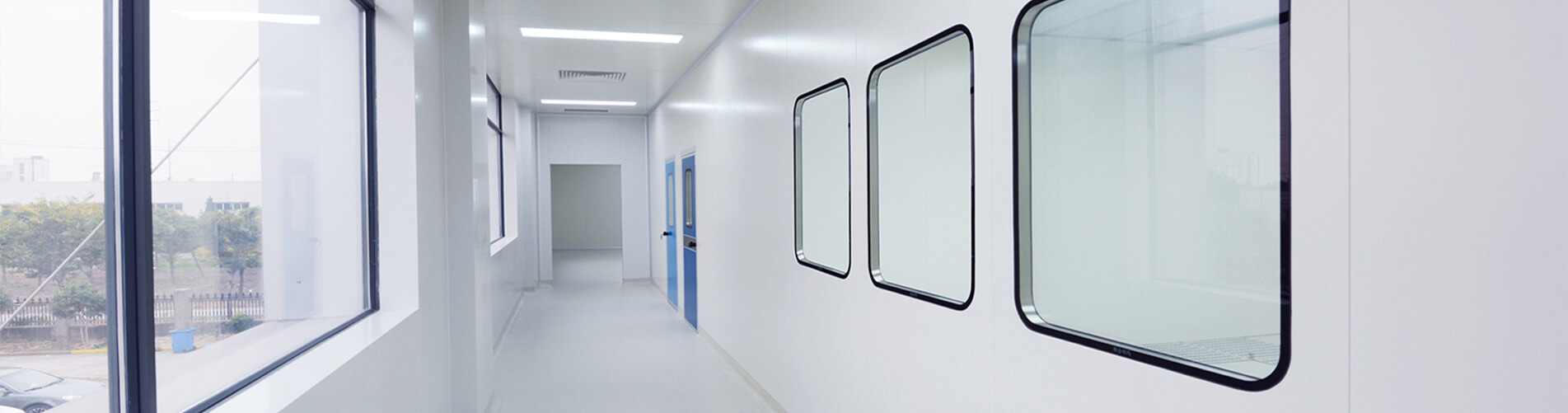
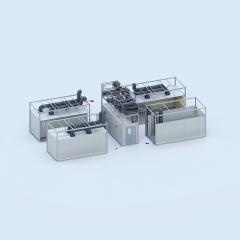
Industrial food air purification systems are essential in modern food manufacturing, ensuring hygiene and preventing contamination far beyond standard cleaning routines. As production lines become faster and more automated, maintaining controlled air and water quality is a critical factor in achieving consistent food safety standards. These systems play a central role in protecting both products and operations throughout the entire processing environment.
In food factories, industrial food air purification is crucial for combating airborne risks, such as bacteria, mold spores, dust, and vapors released during mixing, cutting, heating, or packaging. These contaminants can settle on food surfaces, compromise microbial safety, and shorten shelf life. Wonclean, a company specializing in cleanroom solutions, has observed that many contamination events originate from invisible airborne particles rather than direct operational errors.
While traditional ventilation can provide some help, it cannot maintain the high-level hygiene required for modern food processing. Therefore, advanced industrial food air purification systems—combined with water quality controls such as water purification systems for food processing hygiene standards—have become critical for factories to pass audits, reduce recalls, and maintain consumer trust.
Industrial food air purification refers to a controlled method of removing airborne particles, microbes, odors, and chemical vapors within food processing areas. Purification is usually achieved through multiple layers of filtration and sterilization technologies integrated into cleanrooms, HVAC systems, and production zones. These systems are designed to maintain ultra-clean conditions that minimize contamination during key stages such as cooling, mixing, slicing, and packaging.
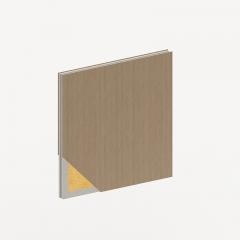
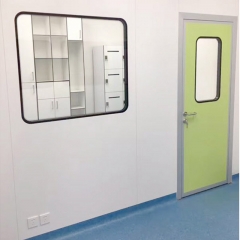
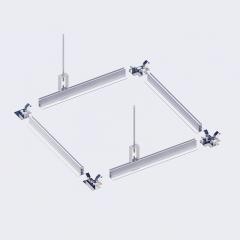
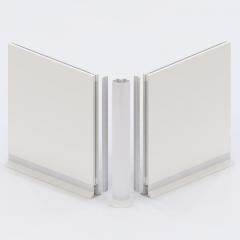
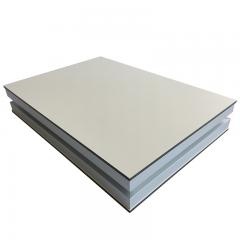
Unlike standard air filters, industrial-grade purification is engineered specifically for food environments where micro-level hygiene control is mandatory. Wonclean supports this through cleanroom partition systems, ceiling grid systems, and integrated airflow management solutions.
Food factories often combine several purification technologies to meet complex hygiene requirements. Common solutions include:
These filters remove 99.97% or more of particles including dust, spores, and microorganisms. They are essential in high-risk areas such as cooling zones where airborne contamination is most common.
By pushing clean, filtered air into the room, cleanrooms prevent unfiltered air from entering production areas during sensitive processes.
Ultraviolet sterilization targets microorganisms that survive filtration, preventing mold and bacteria from circulating through HVAC systems.
Used to remove odors, organic compounds, and microbes, ensuring the processing environment meets sensory and hygiene standards.
Air purification becomes more effective when paired with precise water treatment. This is why some facilities also adopt solutions such as the best leased water purification systems for food processing plants, especially when flexibility and lower upfront costs are priorities.
Airborne contamination often originates from moisture, cleaning processes, or water vapor used in heating and cooling. Poor-quality water releases minerals, microbes, and chemical residues into the air, increasing risks. As hygiene standards become stricter, more food factories are implementing combined solutions to ensure consistent sanitation across all environmental factors.
Systems designed to meet water purification systems for food processing hygiene standards help factories ensure that both air and water quality remain within regulated thresholds—protecting product safety and extending shelf life.
Food processors who upgrade their air purification systems typically experience:
Industrial food air purification is no longer an optional upgrade—it is a foundational requirement for any food processing facility aiming to maintain strict hygiene standards, avoid contamination, and strengthen long-term product quality. When paired with advanced water treatment solutions aligned with water purification systems for food processing hygiene standards, manufacturers can achieve a fully controlled environment that meets modern food safety expectations.
As a cleanroom solutions provider, Wonclean delivers stable, high-performance purification environments tailored for the food industry. With the right air purification strategy, factories can significantly reduce risks, meet regulatory demands, and create a cleaner, safer production future.

 Room JT30151, Building 4, Area B, No. 925 Yecheng Road, Industrial Zone, Shanghai,China
 info@wonclean.com
Allen@wonclean.com
Joy@wonclean.com
info@wonclean.com
Allen@wonclean.com
Joy@wonclean.com
 +8613671979988(Allen)+8615950938878(Joy)


 online service

