Overview:
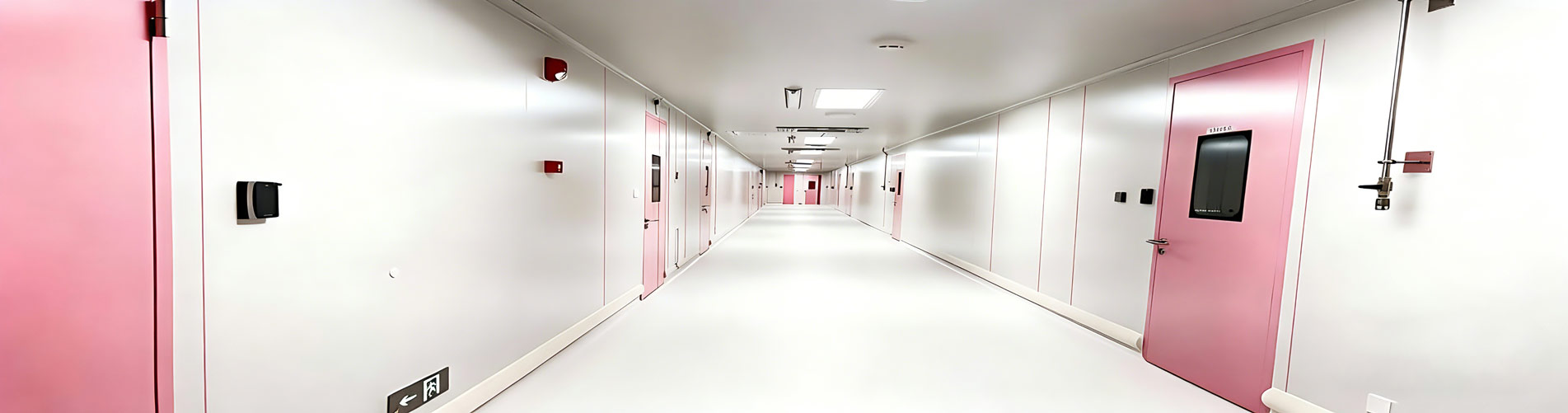
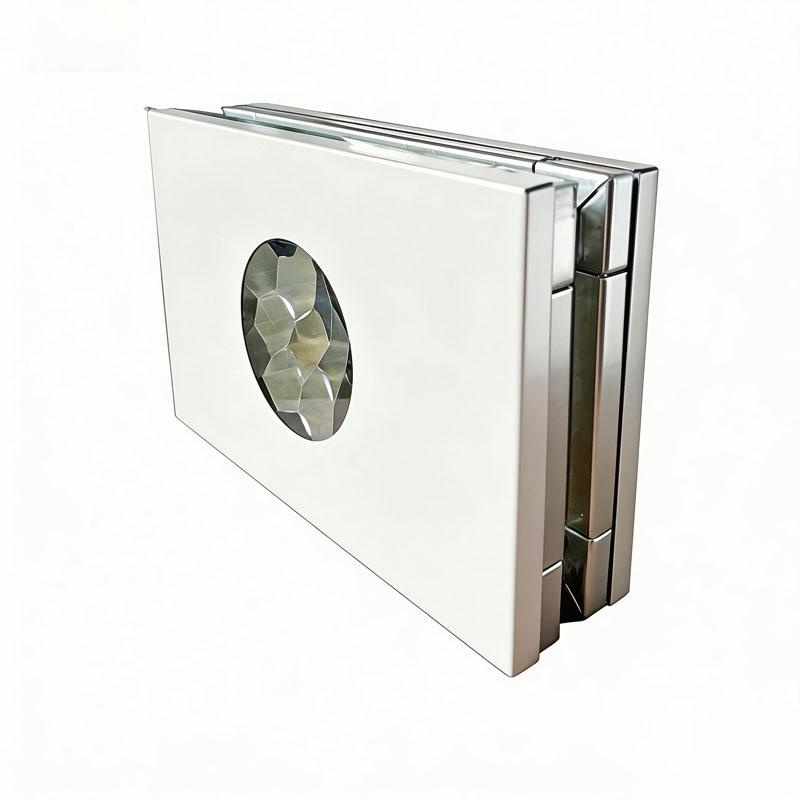
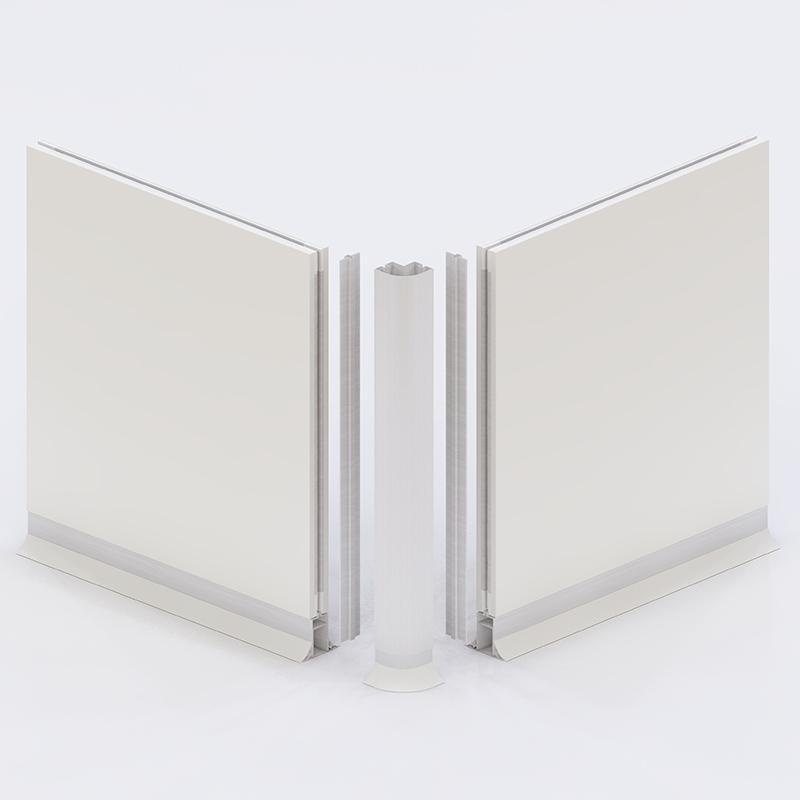
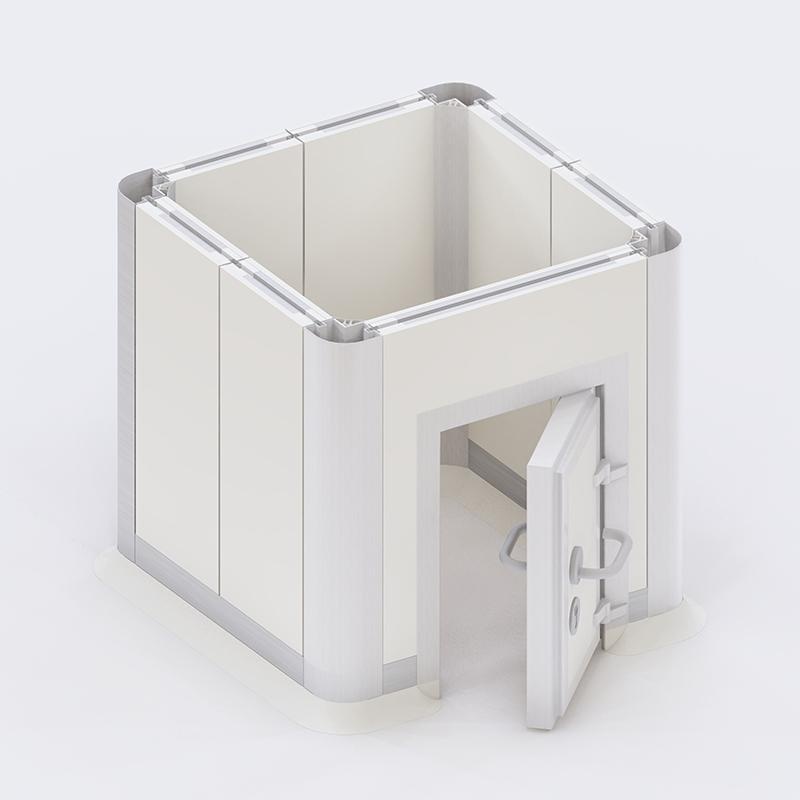
Sandwich panels are essential in cleanroom construction for creating and maintaining contamination-controlled environments. Their seamless surfaces, tight joints, and smooth finishes prevent particle accumulation and allow easy disinfection, while the insulated core helps regulate temperature and humidity. These panels are widely used in pharmaceuticals, electronics, food processing, healthcare, and other industries requiring strict environmental control.
Introduction detail:
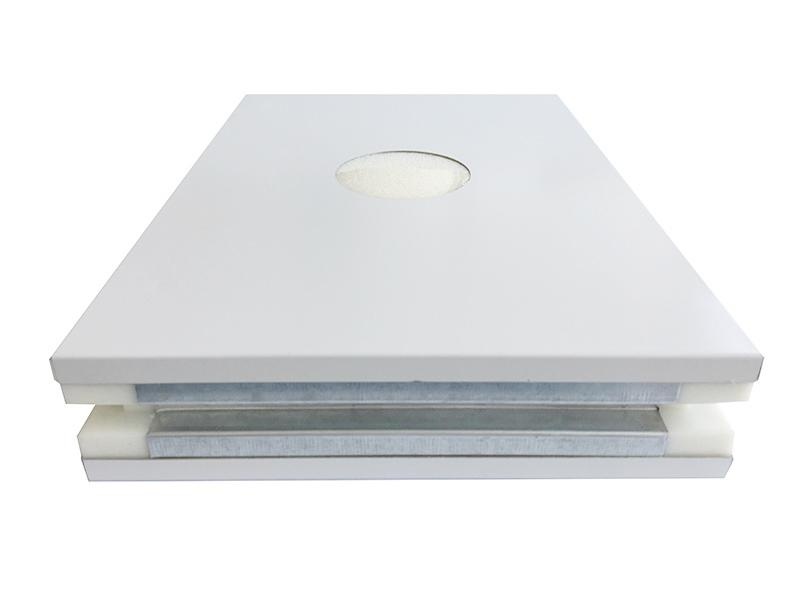
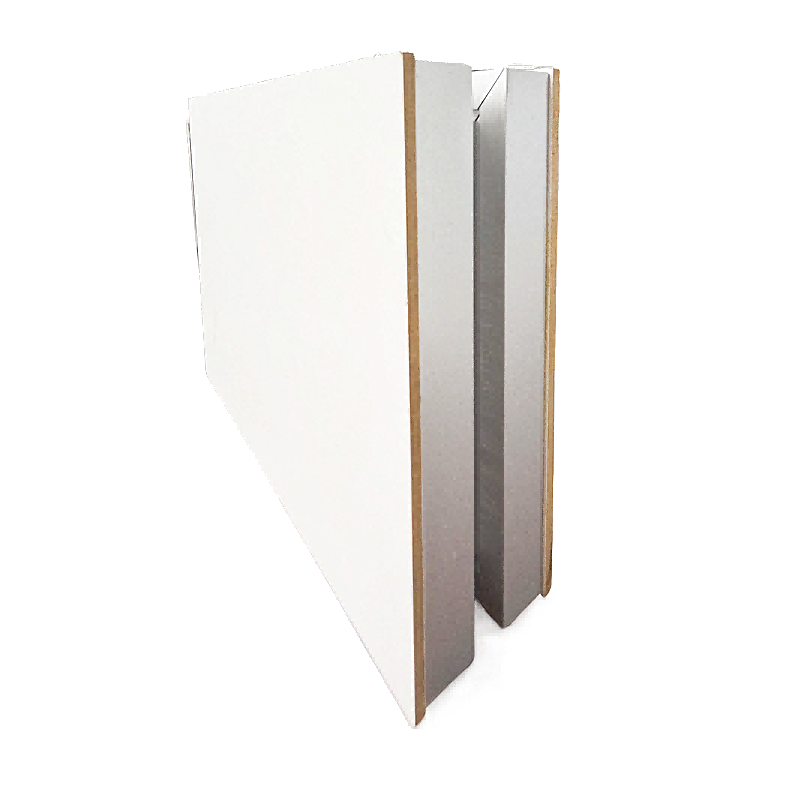
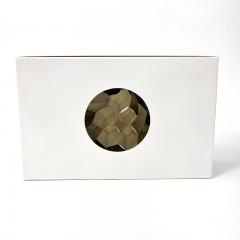
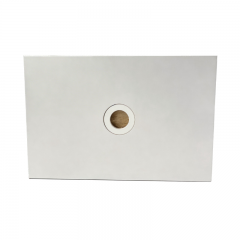
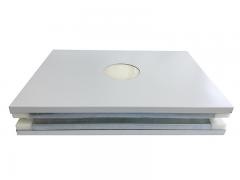
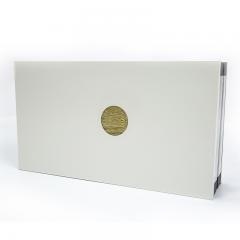
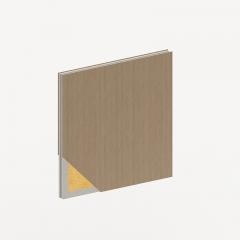
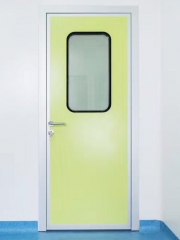
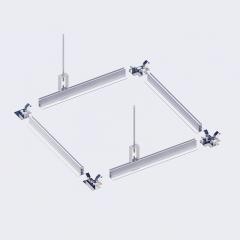
Clean room sandwich panels are main products in clean room engineering, which are flame retardant, soundproof and environmentally friendly. The Clean room panel is made up of two layers of metal panels and a functional material from the middle. It has the characteristics of easy installation, light weight and environmental protection. Moreover, the functional materials used for filling can be chosen according to different environments and production requirements. Currently, the core functional materials we can provide are: PU, PIR, Rock Wool, Aluminum Honeycomb, Paper Honeycomb, Magnesium and etc.
Classification:
Rockwool sandwich panel
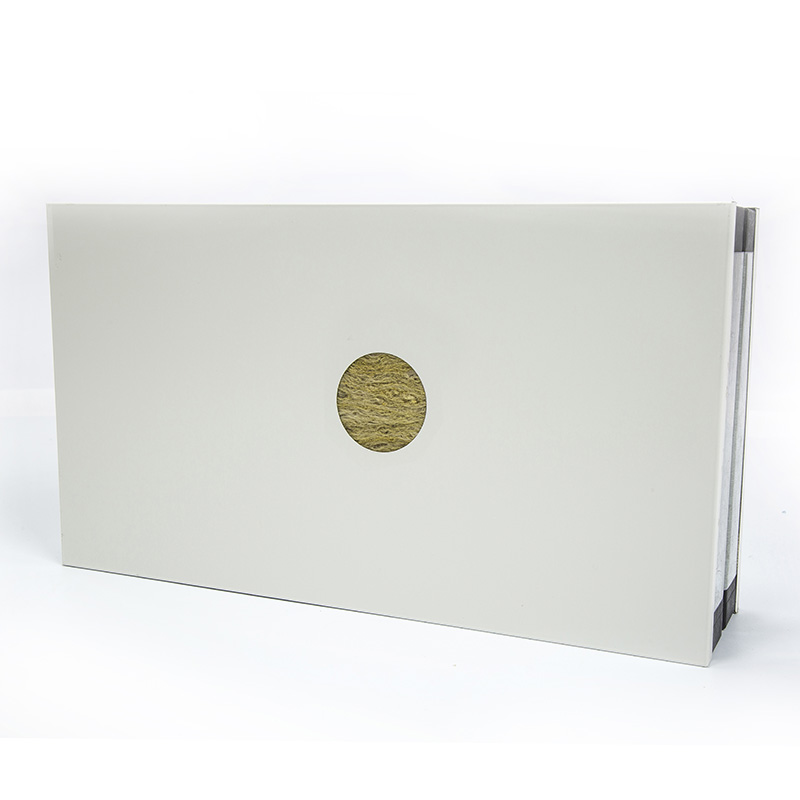
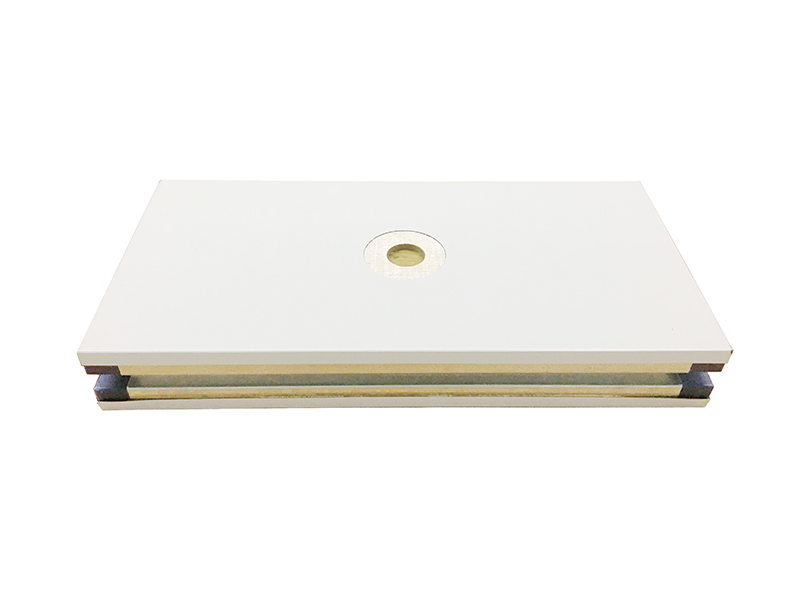
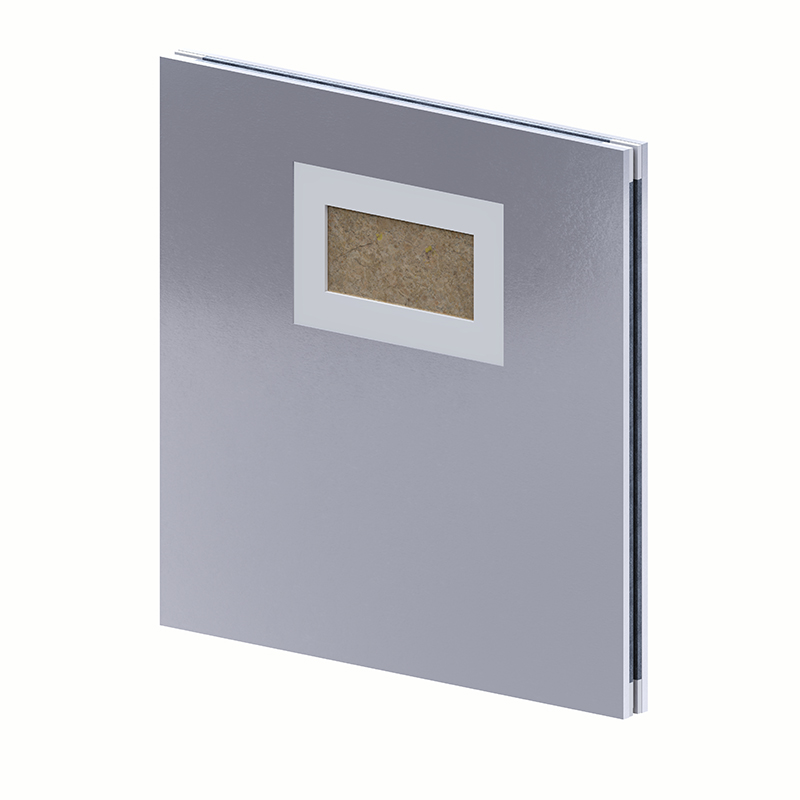
Rock Wool sandwich panel are usually used for wall or ceilings that have certain requirements for fire resistance. In addition, it has very good thermal insulation properties. Most customers like the rock wool sandwich panels. Rockwool sandwich panels are commonly used in clean room engineering in electronics and pharmaceutical plants. Rock wool is a kind of inorganic fiber board which is made of basalt as the main raw material and melted at high temperature. Rock wool board is a new type of heat preservation, flame insulation and sound absorption material.
The artificial inorganic fiber processed by high temperature melting of rock wool board has the characteristics of light weight, small thermal conductivity, heat absorption and non-combustibility.
The detail of Rockwool sandwich panel:
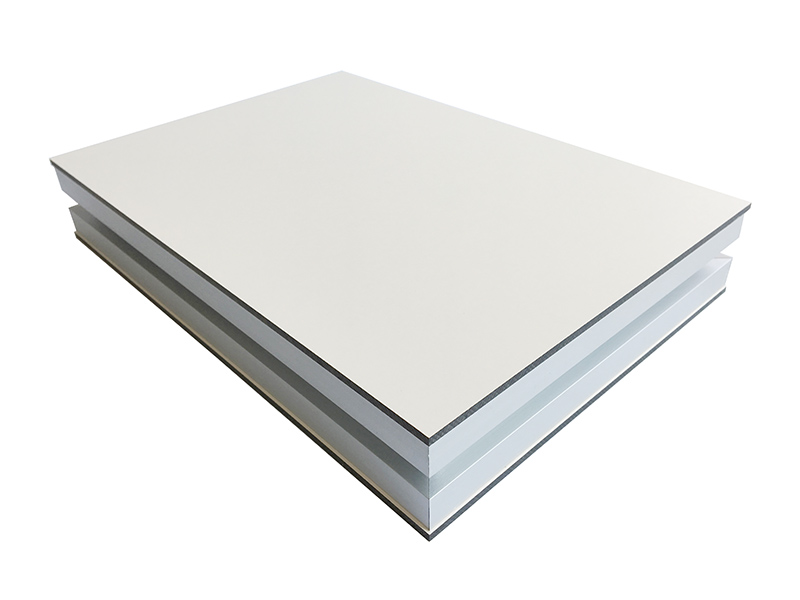
HPL sandwich panel
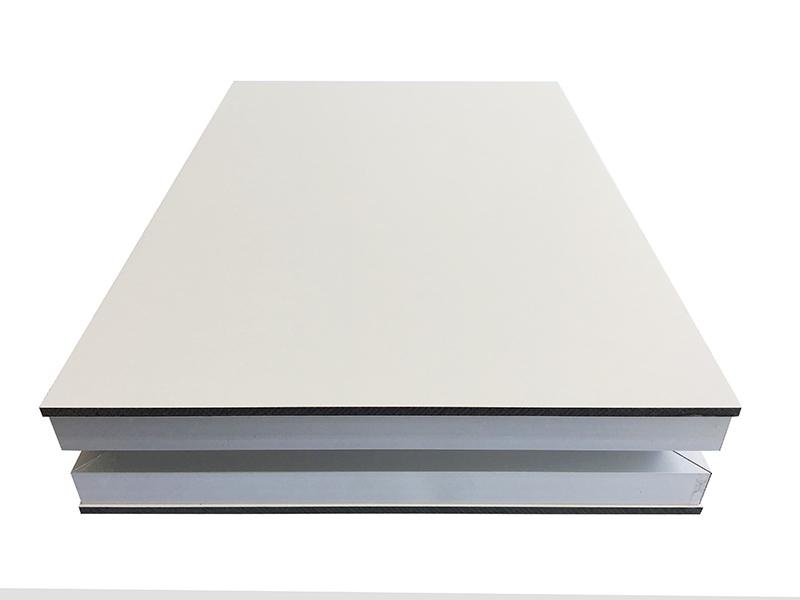
HPL panel (High-pressure laminate) 4 mm thick is a solid compound consisting of more than 40 layers of paper impregnated with melamine and phenolic resins. The sheet of HPL, measuring 1300x3050 mm, has a transparent finishing layer on both external sides that protects the decorative layer below. The central layer, dark brown, is composed of a series of Kraft papers impregnated with phenolic resins, pressed to 9 MPa at 150 °c. It has thermal insulation, fire resistance, easy to installation, nice smoothness and other advantages.
The detail of HPL sandwich panel:
PU sandwich panel
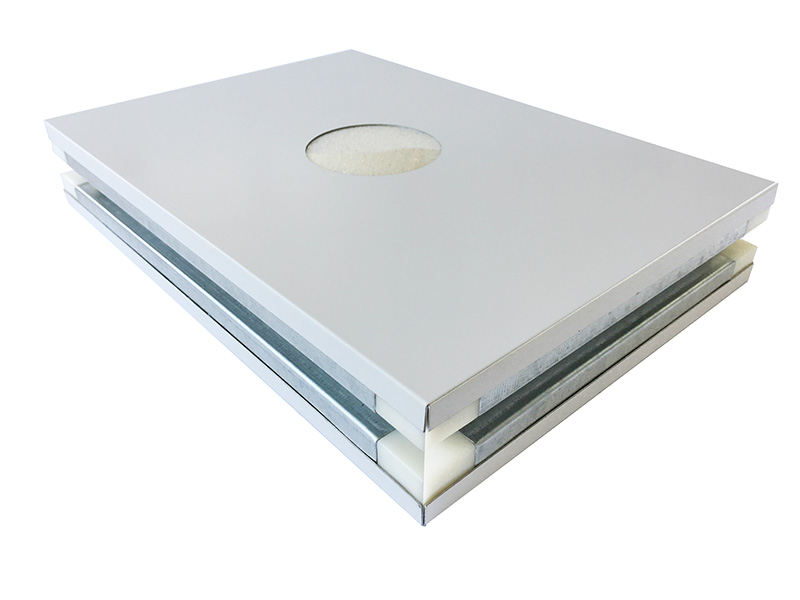
PU sandwich panel usually named polyurethane sandwich panel 、PU color steel panel or PU composite panel , it has three layers that is the double color steel sheet and the PU core, also have good insulation feature and smoothness.
Polyurethane material is a polymer material. Polyurethane is an emerging organic polymer material and is known as the “fifth largest plastic”. It is widely used in many fields of the national economy due to its excellent performance. Product applications include light industry, chemical, electronics, textile, medical, construction, building materials, automotive, defense, aerospace, aviation and so on.
The detail of PU sandwich panel:
PIR sandwich panel
PIR core introduction: Polyisocyanurate foam refers to a foamed plastic containing an isocyanurate ring in its molecular structure. In addition to the excellent thermal insulation properties of polyurethane rigid foam and the advantage of good strength at low density, it is common with ordinary Compared with polyurethane rigid foam, its biggest feature is its good flame retardant performance and temperature resistance. Especially its better flame retardant performance has attracted wide attention. Therefore, it has been obtained at home and abroad in recent years. Rapid development.
The detail of PIR sandwich panel:
Magnesium sandwich panel
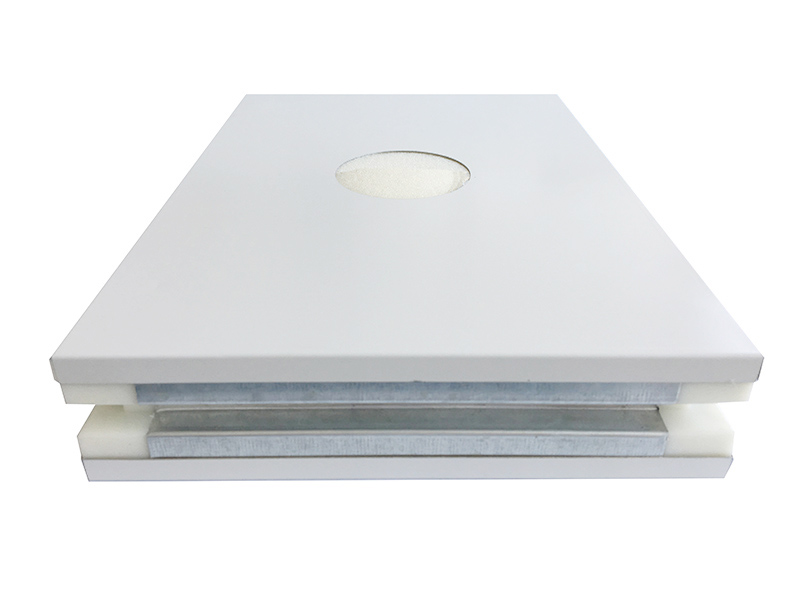
Magnesium core introduction: The glass magnesium board has high temperature resistance, flame retardant, sound absorption, shockproof, insect proof, water-proof and moisture proof, light antiseptic, non-toxic, tasteless and non-polluting, high strength, bending resistance, toughness, nailing, sawing, sticking and convenient decoration. It can also be combined with a variety of insulation materials to form composite insulation panels.
Product use: can be used as wallboard, ceiling board, fireproof board, waterproof board, can be combined with a variety of insulation materials to make composite insulation board.
The detail of Magnesium sandwich panel:
Honeycomb sandwich panel
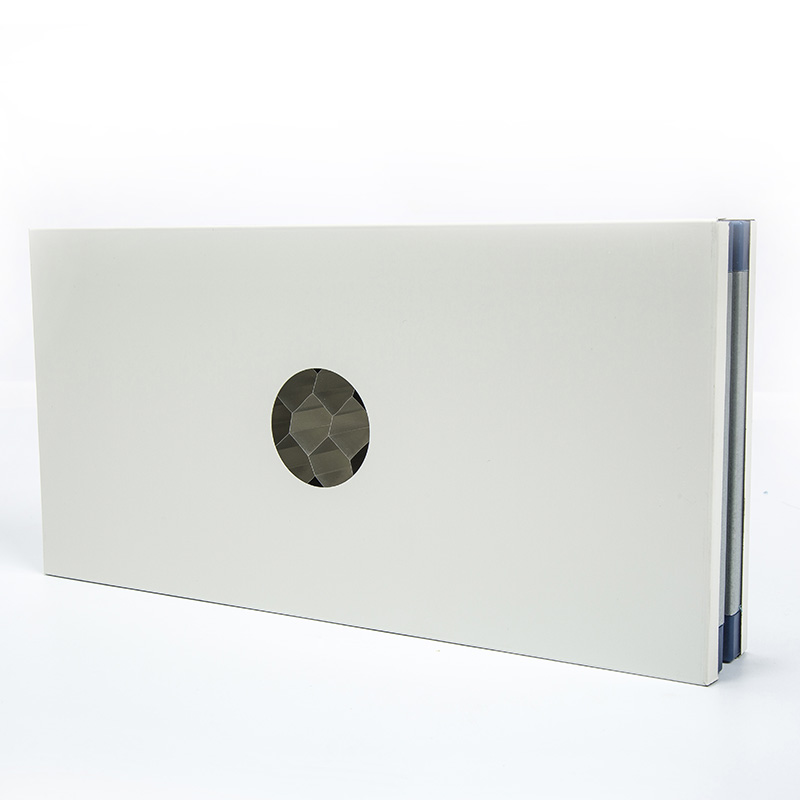
Honeycomb core introduction: Aluminum hexagonal honeycomb, low density, 1/5 of the same thickness of the same board, 1/6 of the glass, 1/7 of the aluminum, greatly reducing the construction load and cost, because the middle interlayer contains a lot of air, Sound insulation (air insulation up to 30dB), heat insulation (thermal resistance up to 0.02 (m2 · K / W)), no flammable substances, fire rating up to A1, waterproof, moisture-proof, no harmful gas release, aluminum honeycomb panel surface It has extremely high flatness and good seismic performance, only one-eighth of the specific gravity of the glass curtain wall; the 22mm thick standard can achieve a load of 700 kilograms or more at a simple support of 1 meter and a deflection of 10mm. Aluminum honeycomb panels have been widely used in clean room partitions and ceilings due to their advantages of light weight, high strength and high rigidity.
The detail of Honeycomb sandwich panel:
Stainless steel panel&Aluminium panel:
Sandwich panels are engineered building systems that combine structural metal facings with insulated cores, providing strength, efficiency, and environmental control. This FAQ addresses key aspects of their application, performance, and customization to help you select the right solution for your project.
A sandwich panel is a high-performance composite building material engineered as a "sandwich" structure. It consists of two durable metal facings (typically pre-finished galvanized steel or aluminum) permanently bonded to a lightweight insulating core material.
As a dedicated clean room panel supplier, our panels are engineered for precision-controlled environments. Their primary applications are in industries where hygiene, temperature stability, and contamination control are critical. This includes the pharmaceutical and biotech sectors for GMP facilities, the electronics and semiconductor industry for static-sensitive production areas, the food & beverage industry for hygienic processing zones, and healthcare for operating rooms and labs.
Our panels offer a superior, all-in-one solution that accelerates project timelines and enhances performance. Key advantages include exceptional thermal efficiency leading to significant energy savings, rapid installation due to large, prefabricated sections, and superior hygiene with seamless, easy-to-clean surfaces ideal for clean room panels.
As a proficient cleanroom panel manufacturer, we ensure high structural strength-to-weight ratios, excellent fire ratings from core material options, and extensive design flexibility for various cleanroom wall and cladding applications.
We offer a range of core materials to meet specific project requirements for fire safety, insulation, and budget. Our main types include Rock Wool (A2-s1, d0 non-combustible, excellent for fire-rated clean room partitions), Polyisocyanurate (PIR) / Polyurethane (PU) (superior thermal efficiency with Class B-s1, d0 fire rating, perfect for cold rooms), and Magnesium Oxide (MGO) boards (A-class non-combustible with high moisture resistance).
Fire safety is paramount. Our panels are rigorously tested and certified to global standards. Rock Wool and MGO cores achieve the highest A2-s1, d0 (EN 13501-1) / Class A (ASTM E84) non-combustible ratings. Our PIR cores typically achieve Class B-s1, d0 (EN) / Class 1 (ASTM E84).
Precision is non-negotiable for seamless clean room wall panels and ceilings. We achieve this through fully automated, computer-controlled continuous laminating lines that apply consistent high pressure and temperature, ensuring perfect bonding and uniformity.
We implement a rigorous color management protocol. For a single project, we use pre-coated metal coils from the same manufacturer and the same production batch. For large projects requiring multiple batches, we work closely with our coating suppliers to secure sequential batches with the highest possible color match. We also provide detailed guidance on-site installation sequencing to visually blend any minimal, unavoidable variation, ensuring a uniform appearance for all cleanroom wall surfaces.
Yes, we are a direct cleanroom panel manufacturer with full vertical integration. We operate state-of-the-art, automated production lines where the entire process—from raw material inspection to composite forming and cutting—is controlled in our facility. This allows for strict, real-time quality control at every stage, from core density verification to adhesive application and final dimensional inspection, guaranteeing the consistent performance of every clean room panel we ship.
We have a robust portfolio of successful projects worldwide. Our clean room panels and systems have been installed in pharmaceutical cleanrooms across Europe, semiconductor fabrication plants in Southeast Asia, high-care food processing facilities, and research laboratories in the Middle East and Africa. We can provide anonymized case studies, technical data sheets, and, with client consent, references or project photographs that demonstrate our capability as a trusted clean room panel supplier for complex builds.
We employ industry-leading packaging to ensure products arrive in perfect condition. Each panel is carefully stacked, protected with heavy-duty edge guards and corner protectors, and then securely shrink-wrapped onto reinforced wooden pallets.
Proper handling is crucial. Panels must be unloaded using forklifts with padded forks, never dragged or lifted by a single point. On-site, they must be stored horizontally on a flat, level surface, supported evenly along their length by timber dunnage. Stacks should be kept to a reasonable height to prevent deformation, and the entire stock must be protected from the elements with waterproof tarpaulins. Following these steps preserves the integrity of the cleanroom wall and partition materials before installation.
Upon delivery, it is critical to inspect the cargo immediately in the presence of the carrier and note any damage on the delivery receipt. Please photograph any issues and notify us within 7 days. We strongly recommend that all shipments are covered under an All-Risks marine insurance policy. We will provide all necessary documentation (packing lists, photos, commercial invoices) to support a swift insurance claim process, minimizing project delays.
Our partnership extends beyond delivery. We provide a 12-month warranty on materials and manufacturing. Our technical support team is available to assist with installation queries via email, WhatsApp, or video call. We supply comprehensive installation manuals and detailed CAD drawings. For complex projects, we can arrange online installation guidance sessions with our engineers to ensure your cleanroom ceiling and wall systems are installed correctly for optimal, long-term performance.
Overview: HPL sandwich panel utilizes high-pressure laminate (HPL) as the surface layer, bonded to an insulated core (e.g., PIR or rock wool). Designed for cleanroom and industrial applications, it offers chemical resistance, scratch-proof durability, and easy disinfection. Available in fire-rated and non-fire-rated variants, it ensures hygienic, low-maintenance surfaces while providing thermal insulation and sound dampening, widely used in laboratories, hospitals, and food processing facilities.
Overview: Medical clean panel is a specialized modular component engineered for healthcare and pharmaceutical cleanrooms. Featuring anti-bacterial HPL or coated metal surfaces with mineral wool or PIR cores, it prevents microbial growth and particle shedding. Classified by fire resistance and cleanability grades, it integrates seamless joints and smooth finishes to support sterile environments, ensuring compliance with GMP and ISO standards while enabling rapid installation and long-term hygiene maintenance.
Overview: Cleanroom injection panel is a specialized modular panel designed for utility and service integration in controlled environments. It embeds pre-installed electrical conduits, data ports, or gas lines within insulated wall structures, allowing seamless connection of lab equipment. By centralizing service distribution, it maintains cleanliness standards while improving accessibility, commonly used in pharmaceutical fill lines and electronics assembly cleanrooms.
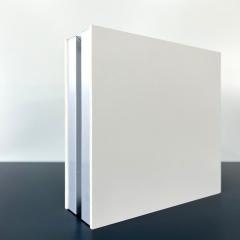
Overview: Fiberglass panel is a lightweight, durable panel composed of fiberglass-reinforced material, often with resin or composite facing. Known for its excellent chemical resistance, thermal stability, and non-corrosive properties, it is used in corrosive or humid environments. Common in cleanrooms, chemical labs, and industrial settings, it provides smooth, easy-to-clean surfaces and consistent performance under varied conditions, offering a cost-effective alternative to metal or laminate panels.
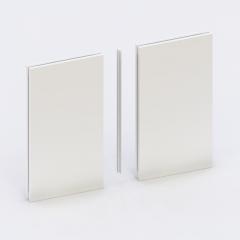
Overview: Cleanroom partition system is an integrated modular solution composed of standardized panels, sealing profiles, and structural supports. Designed to create certified cleanroom spaces, it provides airtight barriers, smooth cleanable surfaces, and thermal insulation. With classifications for different cleanliness levels (ISO Class 5-8), it enables flexible space design for industries requiring controlled contamination, such as semiconductor production and biomedical manufacturing.
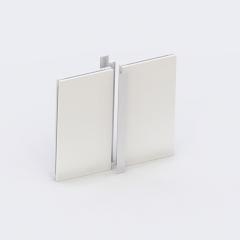
Overview: Cleanroom demountable partition wall is a reusable, modular wall system engineered for controlled environment flexibility. Featuring insulated panels (e.g., PIR, rock wool) with airtight seals, it enables rapid reconfiguration of cleanroom layouts without major construction. Ideal for temporary or expandable facilities, it supports ISO classification compliance while reducing renovation time and cost, commonly used in pharmaceutical pilot labs and R&D environments.
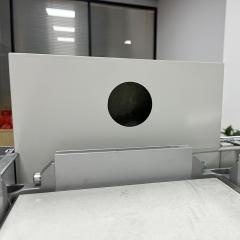
Overview: Ventilation sandwich panel is a specially designed panel that integrates air channels within the insulation core, enabling seamless air distribution without additional external ductwork. It supports efficient airflow management for HVAC systems in cleanrooms, with metal or composite surfaces ensuring airtight, particle-free pathways. This design reduces system complexity, saves overhead space, and maintains consistent air quality, commonly used in controlled environments requiring integrated ventilation solutions.
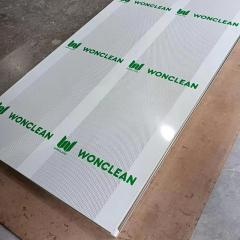
Overview: Soundproof panel is an acoustic insulation panel designed to control noise transmission in industrial and commercial settings. Featuring high-density cores (e.g., mineral wool, fiberglass) and sealed, layered construction, it effectively dampens airborne and impact noise. Available in varying thicknesses and finishes, it supports sound-sensitive environments such as laboratories, studios, and production areas, improving acoustic comfort while maintaining thermal and structural performance.
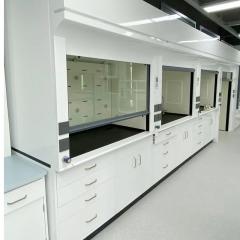
Overview: Chemical Laboratory Full Steel Exhaust Fume Hood is constructed with corrosion-resistant steel and integrated exhaust systems to safely remove hazardous fumes. Available in wall-mounted, benchtop, and walk-in configurations, it provides airflow control, chemical resistance, and operator protection. Essential for academic, industrial, and pharmaceutical laboratories, it ensures compliance with safety standards and supports controlled ventilation in chemical handling areas.
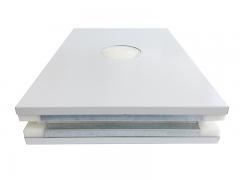
Overview: PIR cleanroom panel utilizes polyisocyanurate foam cores with sealed metal skins. Its closed-cell structure delivers superior thermal insulation (λ≈0.022 W/m·K) and improved fire resistance (up to Class 0/B-s1,d0). The seamless surface ensures particle-free cleanliness, supporting contamination control. While offering better fire performance than standard PU panels, it carries similar weight and cost considerations, balancing energy efficiency with enhanced safety for regulated cleanroom environments.
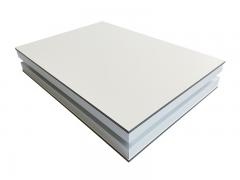
Overview: Insulated cleanroom panel is a type of composite panel designed for cleanroom environments, consisting of an insulating core material sandwiched between two surface layers. The core is typically made of materials such as polyurethane (PU), rock wool, expanded polystyrene (EPS), or phenolic foam, while the surface layers are usually made of galvanized steel, stainless steel, aluminum, or high-pressure laminate (HPL). This structure provides excellent thermal insulation, airtightness, and a smooth surface, making it suitable for various controlled environments.
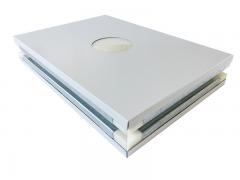
Overview: EPS cleanroom panel features expanded polystyrene foam cores with metal or composite skins. The lightweight EPS core provides good thermal insulation (λ≈0.035 W/m·K) at low cost, while the smooth surface maintains cleanliness. However, its limited fire rating and lower structural strength restrict its use to less critical cleanroom areas, offering a cost-effective solution for general industrial or packaging cleanrooms where strict fire codes are not mandated.

 Room JT30151, Building 4, Area B, No. 925 Yecheng Road, Industrial Zone, Shanghai,China
 info@wonclean.com
Allen@wonclean.com
Joy@wonclean.com
info@wonclean.com
Allen@wonclean.com
Joy@wonclean.com


 online service
