



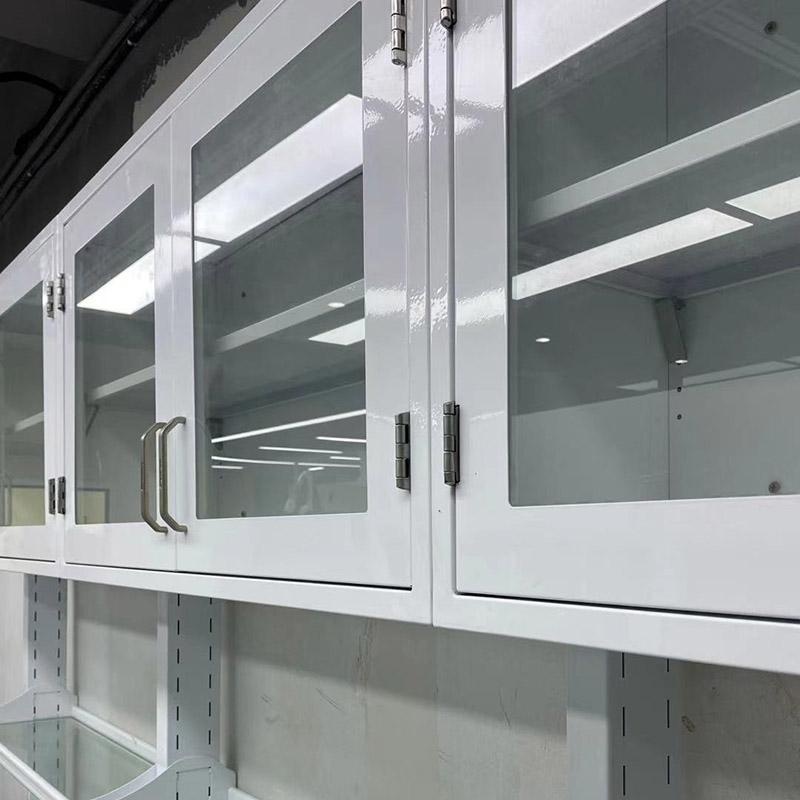
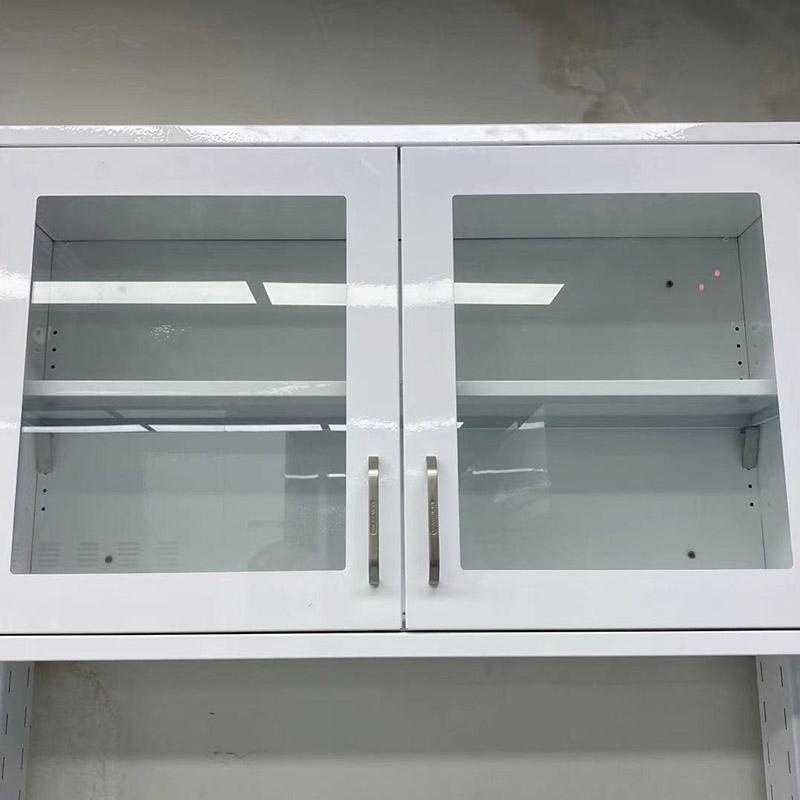
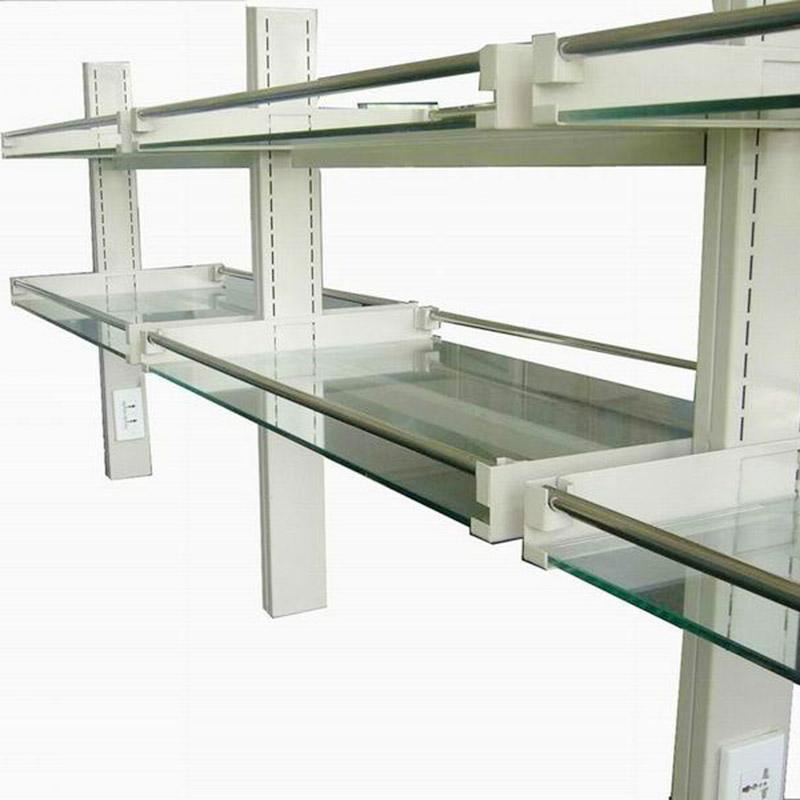
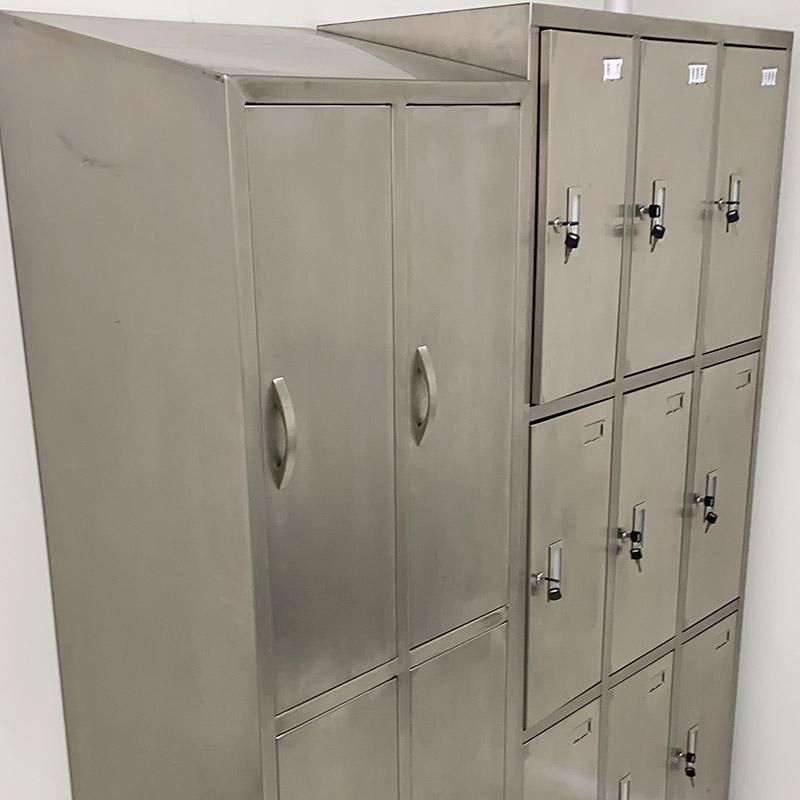
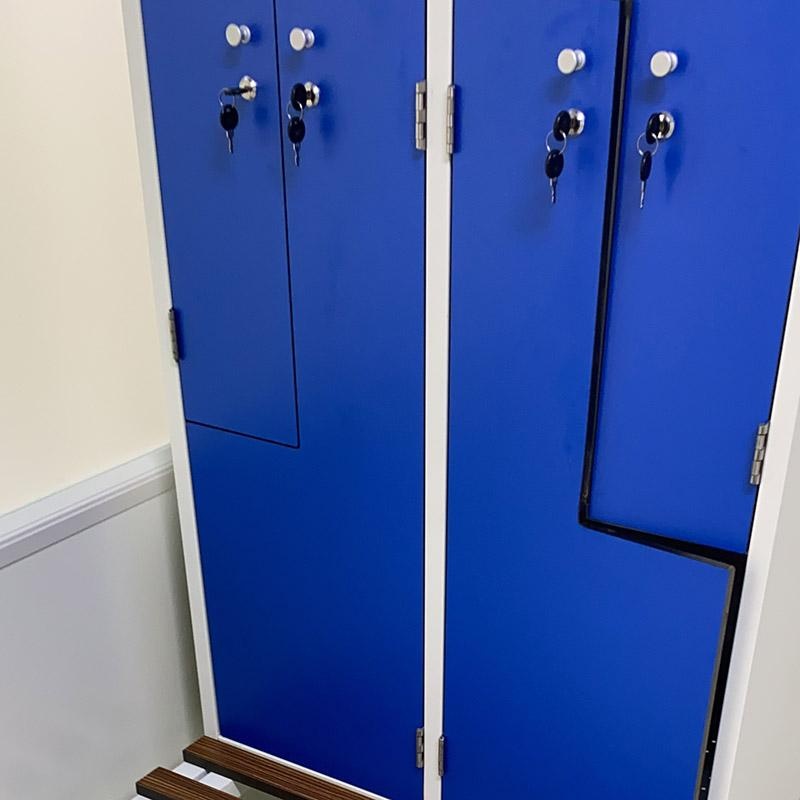
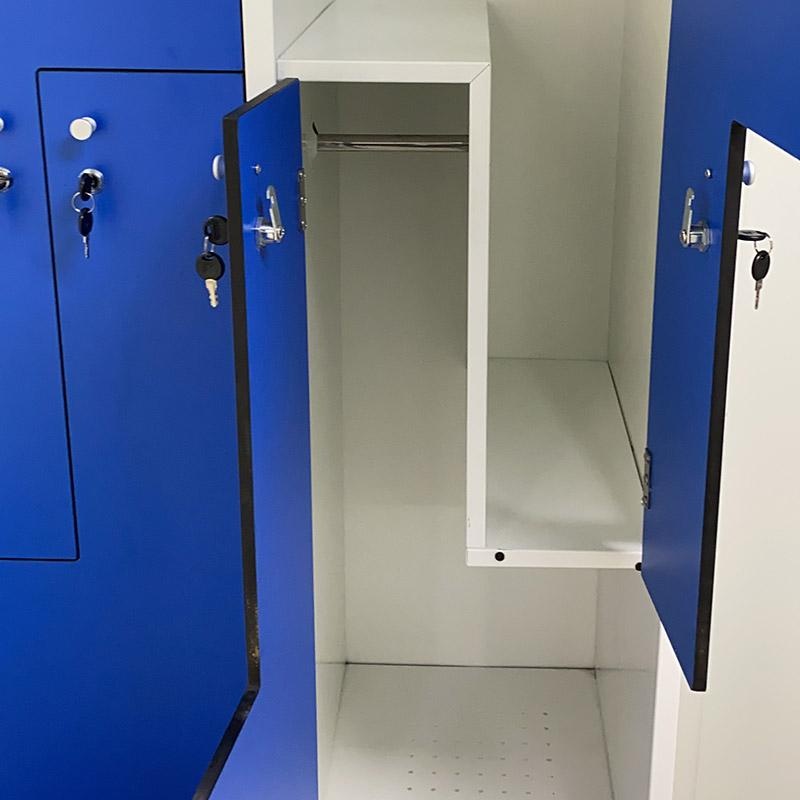

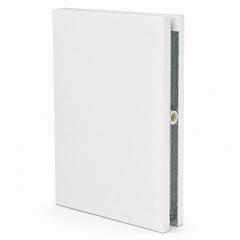
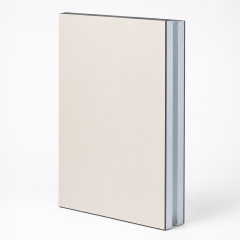
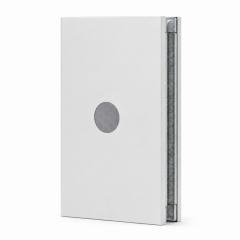
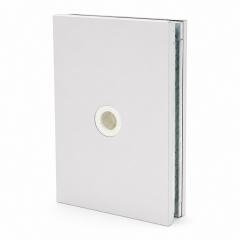
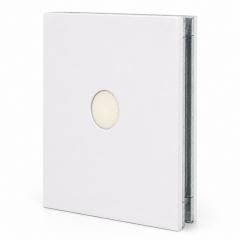
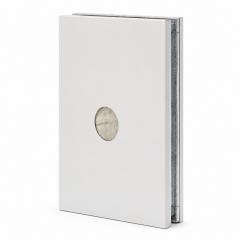
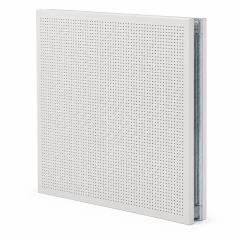
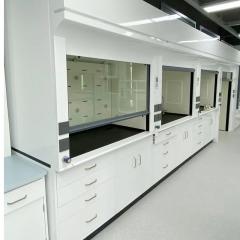
Laboratory cabinets include Laboratory lockers, reagent storage cabinets, wall cupboards, etc. Each type is specifically designed to meet the rigorous demands of scientific workspaces.
| Cabinet Type | Key Materials | Features & Applications |
| Laboratory Lockers | Four-sided structure (Upper/Lower/Side/Rear) | Load-bearing, Moisture-resistant; Labs, Schools, Pools |
| Reagent Cabinets (Wood) | 18mm Melamine Panel (E1) | Fire-resistant, resistant to weak acids/bases |
| Reagent Cabinets (Steel) | Cold-rolled Steel + Epoxy Powder | CNC machined, Detachable shock absorbers, Anti-corrosion |
| Reagent Cabinets (PP) | Polypropylene Porcelain White Material | Anticorrosive, PP injection molded hinges |
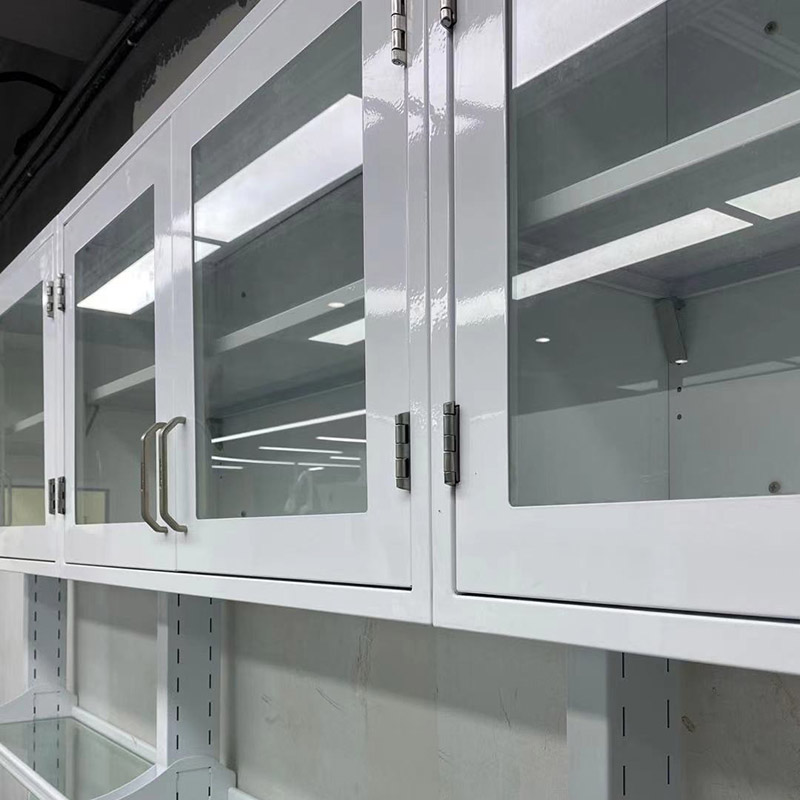
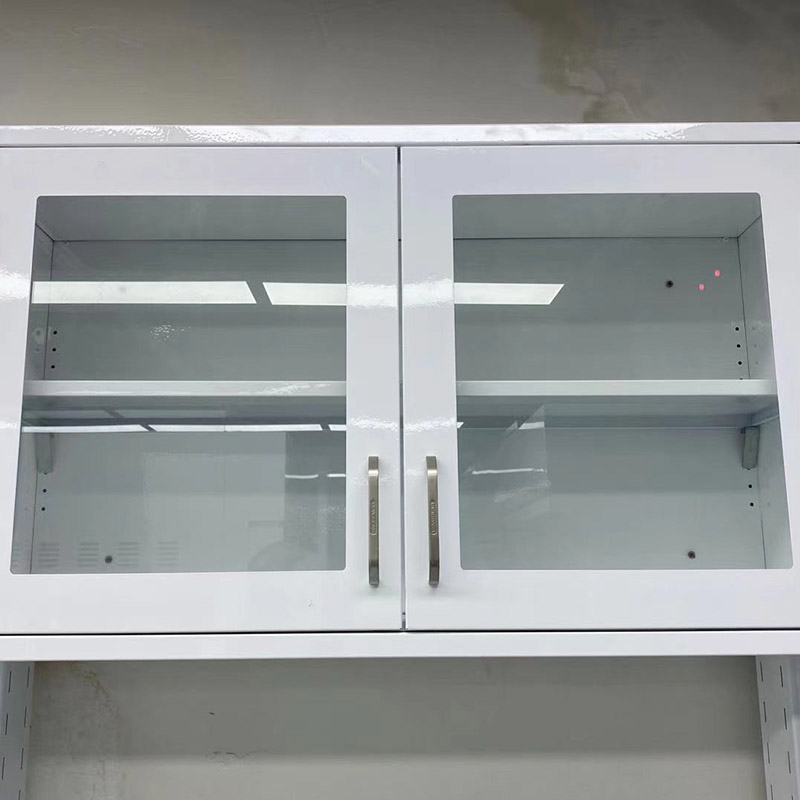
| Wall Cupboards | Painted Steel and Wood | Space-saving, installed above side cabinets |
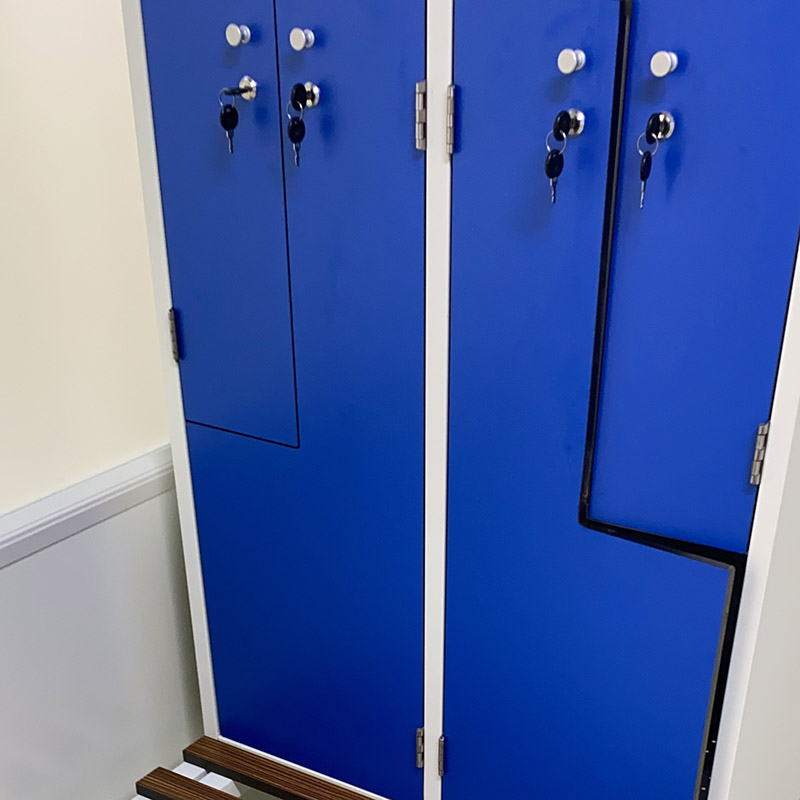
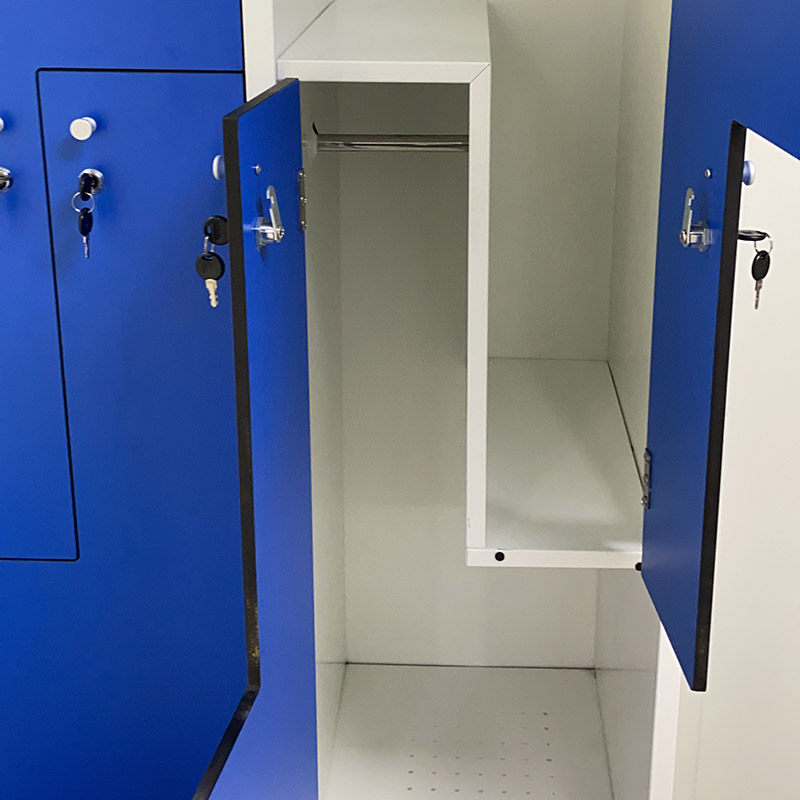
Laboratory lockers are different from ordinary household wardrobes and have stricter requirements on load-bearing capacity, moisture resistance, anti-slip, and corrosion resistance.
Design - The simplest four-sided structure is mainly adopted (upper, lower, front, and side rear).
Color - Different colors can be chosen according to your preferences.
Use - Labs, schools, swimming pools, companies, etc.
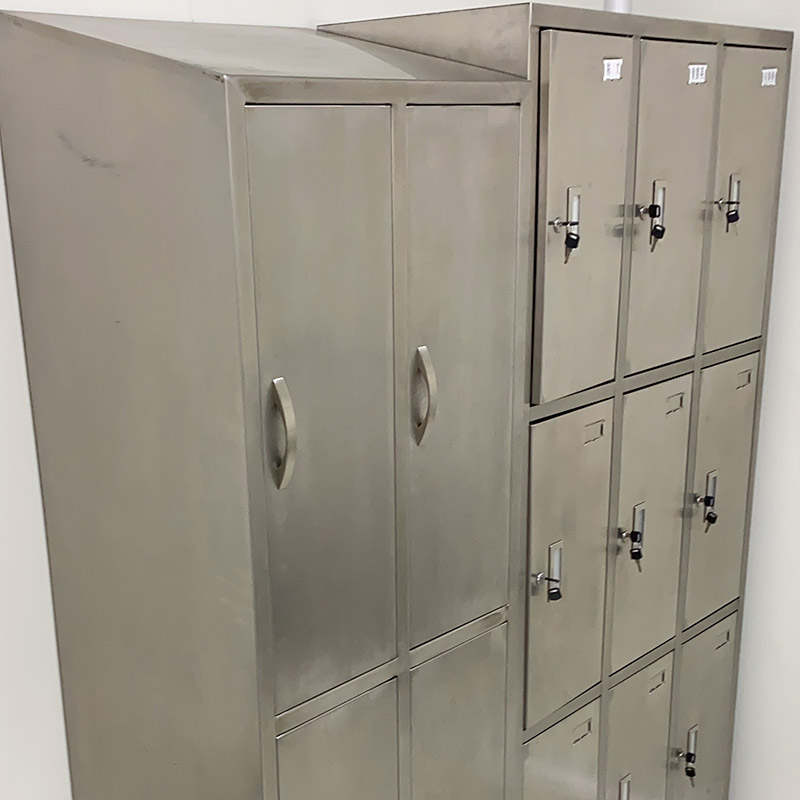
Also known as sample storage cabinets and medicine cabinets, used to store medicine reagents. Characteristic is convenient and durable.
Full wood structure - E1 Melamine panel (18mm), fire-resistant, weak acid/base resistant. Configuration: All wood and glass doors with hot-melt waterproof edge sealing.
All steel structure - CNC cut cold-rolled steel body, pickled, phosphated and epoxy powder coated. detachable doors with shock absorbers.
PP material - Made of anticorrosive PP polypropylene porcelain white material, mechanical welding, and PP injection hinges.
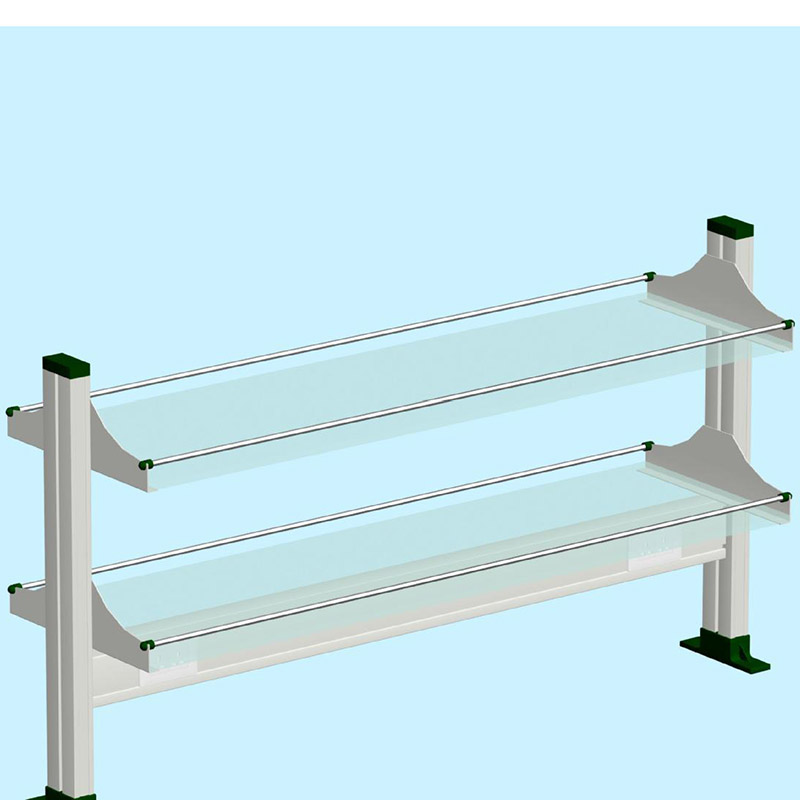
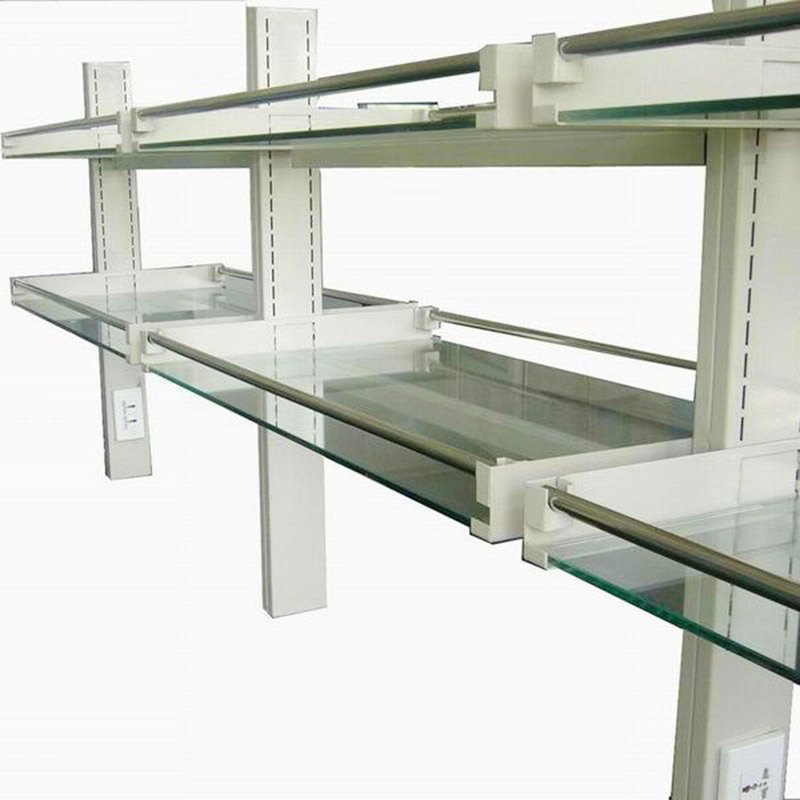
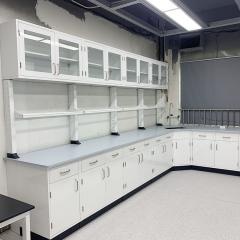
Usually installed above the side cabinet experiment table, hung on the wall, and used to place experimental equipment or materials. The material is usually painted steel and wood.


 online service

