What are you looking for?
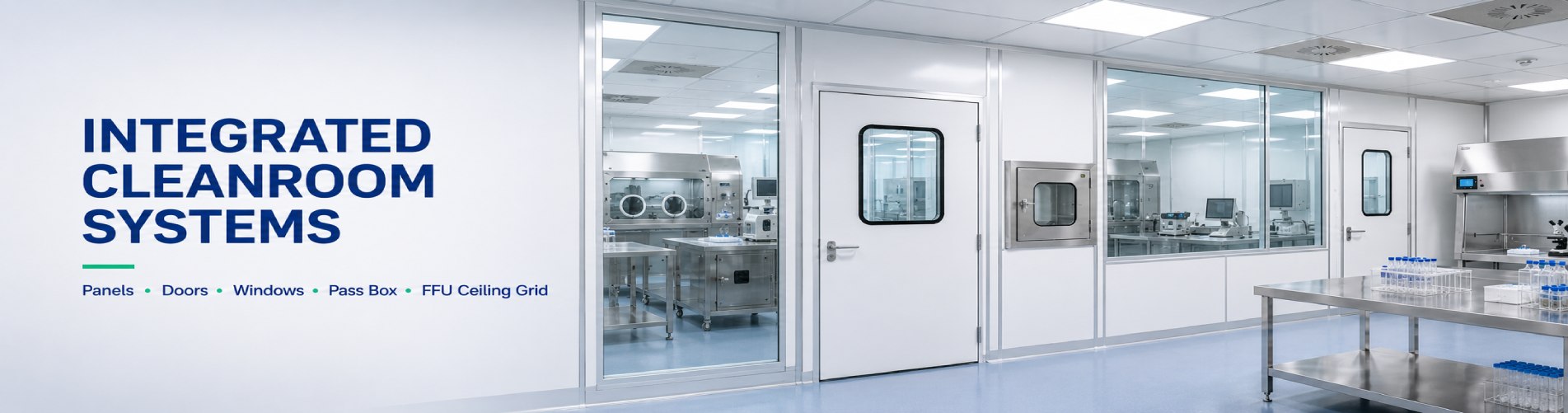
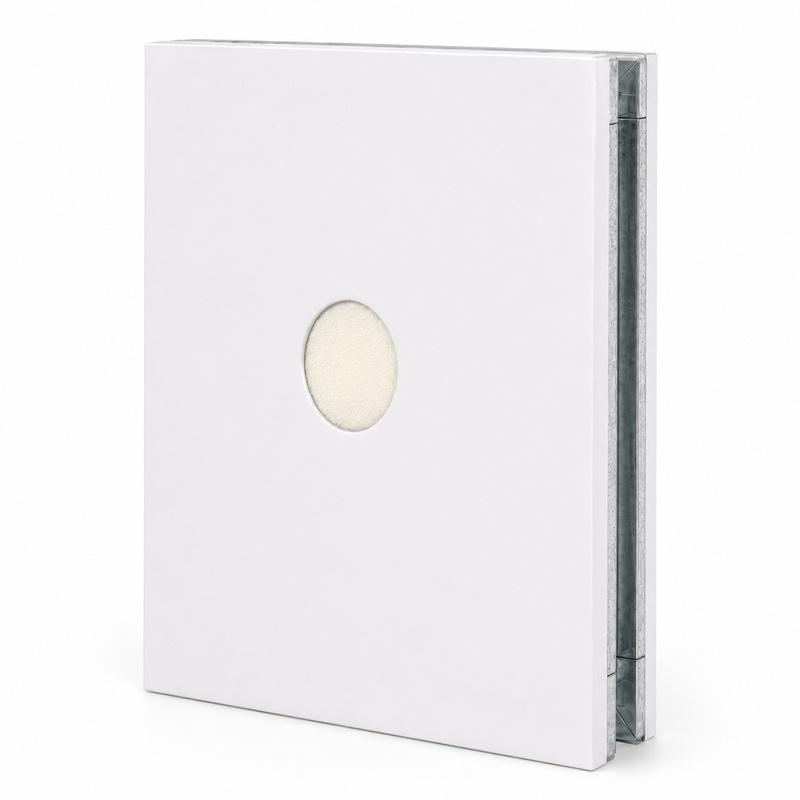
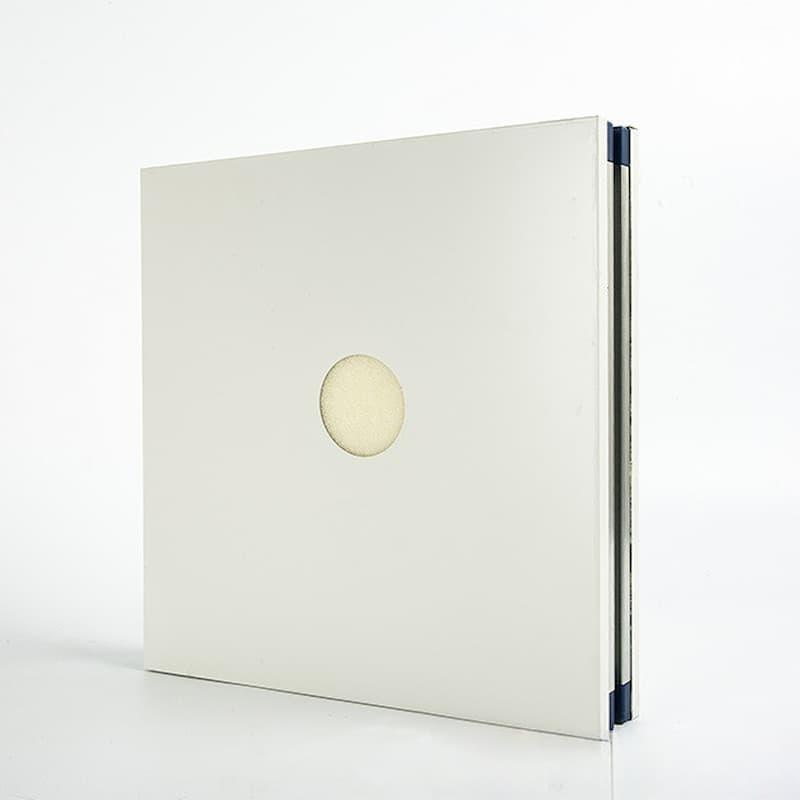

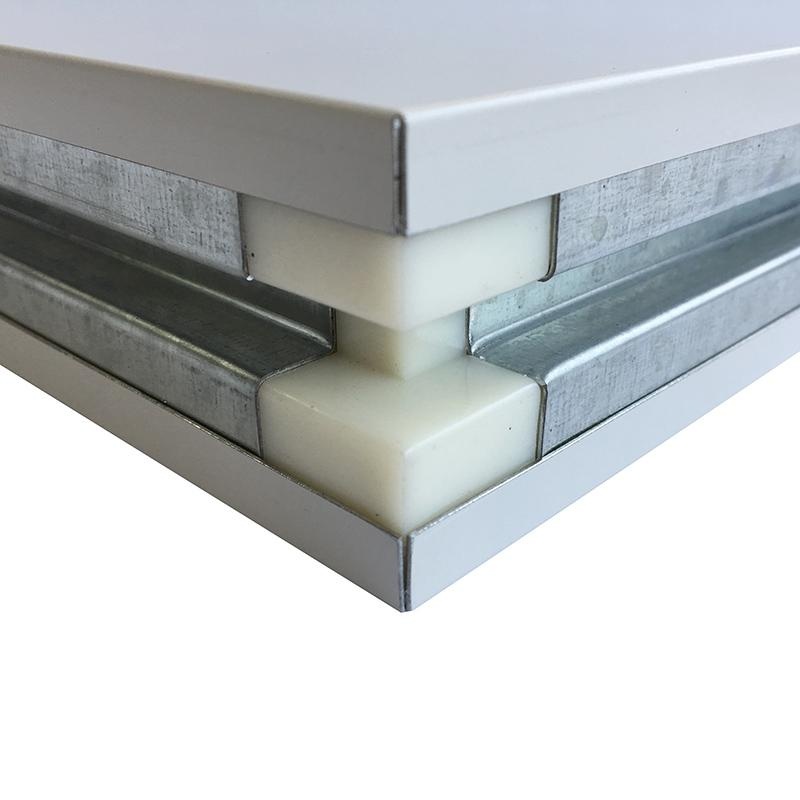
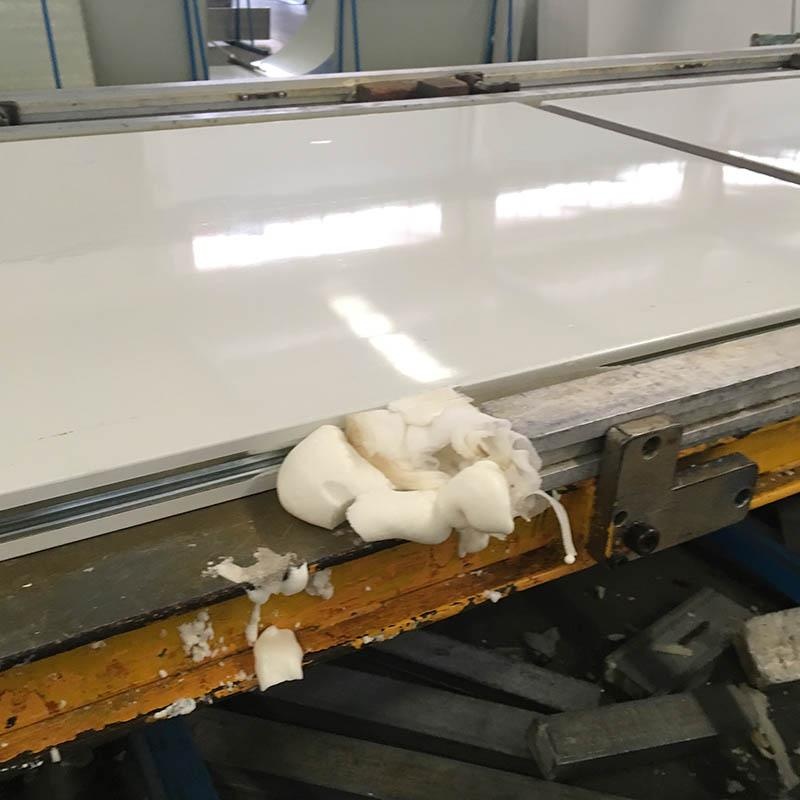
A cleanroom injection panel is a foam-injected PU/PIR sandwich panel engineered for ultra-low thermal conductivity and fully airtight sealing in cleanroom, cold-storage and HVAC construction. Foamed continuously between two coated galvanized steel facings, this panel forms a seamless, gap-free enclosure that eliminates dust traps and air leakage points.
Available in framed PUR construction (aluminum or iron frame) or frameless, fully automated PIR construction, it is the preferred choice for facilities requiring superior insulation, fire safety, and structural airtightness across pharmaceutical, electronics, food, and chemical environments. Key architectural advantages include:
Product Origin:
ChinaShipping Port:
ShanghaiLead Time:
25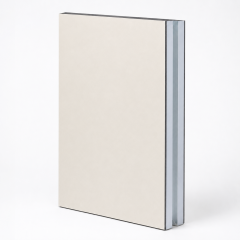
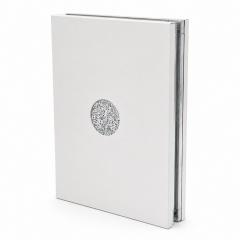
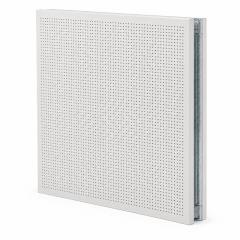
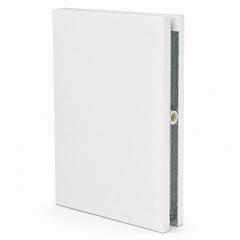
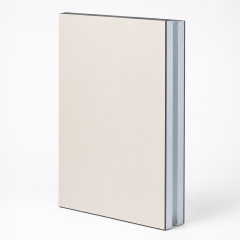
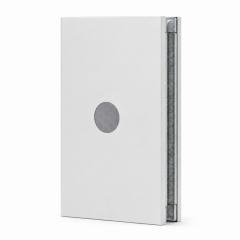
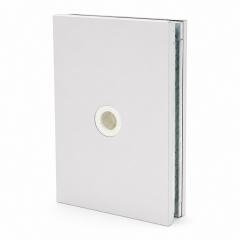
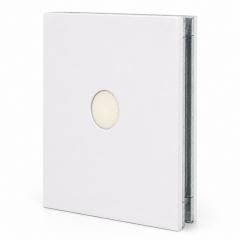
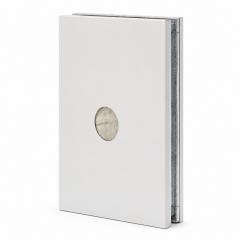
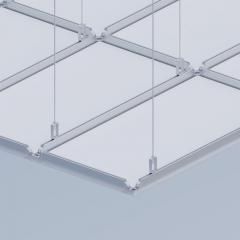
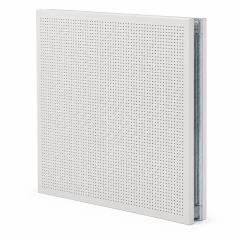
An injection panel is a sandwich panel whose core is foam-injected and cured between two coated steel facings, producing a void-free, thermal-bridge-free board. It comes in two builds: the PUR (polyurethane) panel, framed with an aluminum or iron frame connected by a central aluminum profile; and the PIR (polyisocyanurate) panel, which is frameless and made on a fully automatic, continuous production line. The facing is 0.5–0.8 mm coated galvanized steel — thicker steel gives higher flatness and impact resistance — and the unique convex-groove edge delivers excellent airtightness. Compare with the broader cleanroom sandwich panel range.

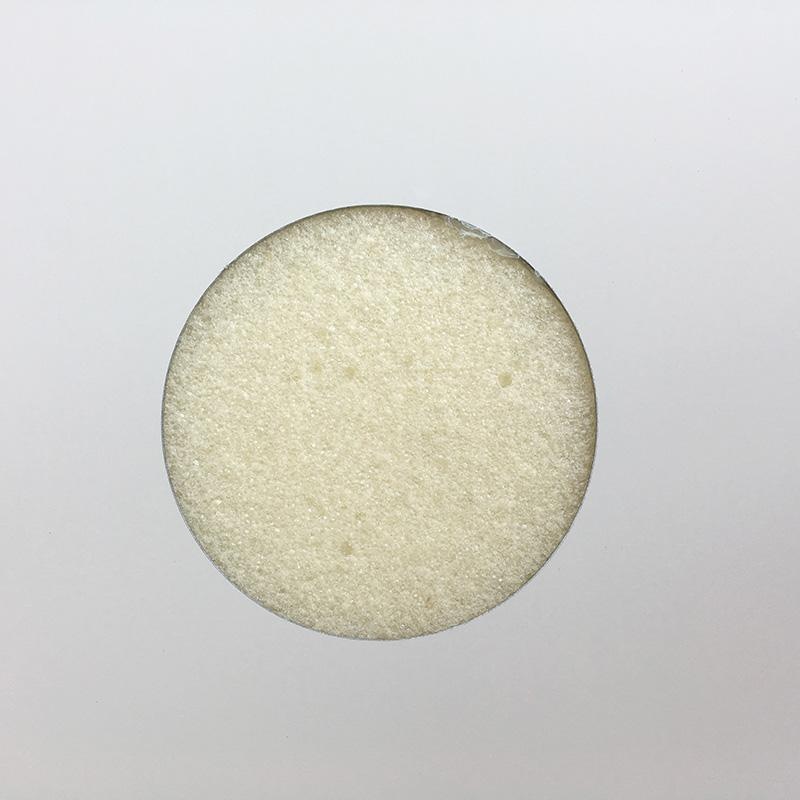

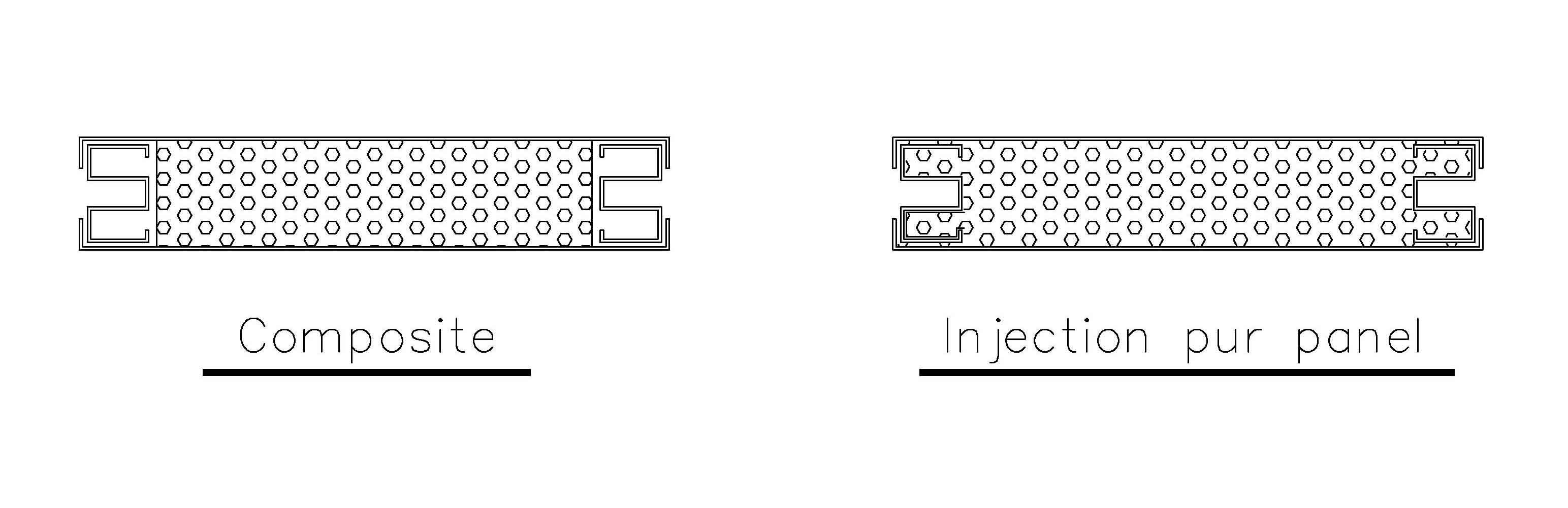

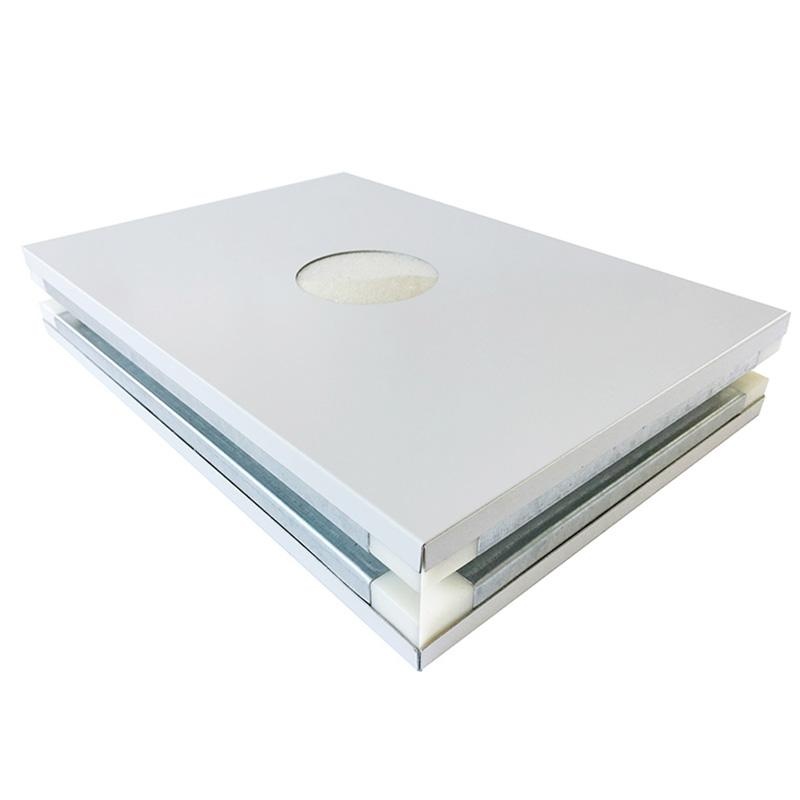
The foam is injected and cured in one pass between the two steel skins, so the core bonds fully to the facings with no gaps or thermal bridges; the convex-groove edge then locks panel-to-panel for an airtight, rigid wall.
| Thermal conductivity (λ) | 0.018 – 0.024 W/(m·K) |
| Core material | Foam-injected PUR or PIR |
| Facing | 0.5–0.8 mm coated galvanized steel (thicker = flatter, stronger); stainless steel optional |
| Fire grade | PUR B2 · PIR B1 (higher fire resistance) |
| Joint structure | Unique convex-groove, good airtightness |
| Standard colors | RAL 9002 / 9010 (custom colors available) |
| Thickness / width | Customizable to project requirements |
| Usage fields | Cleanrooms, cold storage, central air-conditioning, chemical plants |
| Feature | PUR (Polyurethane) | PIR (Polyisocyanurate) |
|---|---|---|
| Fire grade | B2 grade | B1 grade (higher resistance) |
| Frame structure | Aluminum or iron frame | Frameless design |
| Production | Injected with central aluminum profile | Fully automatic, continuous line |
| Best for | Cost-effective insulated walls | Fire-sensitive & demanding projects |
Every core answers a different priority. Use this as a quick engineering guide, then talk to our team for a tailored recommendation:
| Priority | Best choice | Why |
|---|---|---|
| Thermal insulation / energy | Injection PU / PIR | Lowest λ; airtight convex groove; ideal for cold & conditioned rooms |
| Maximum fire safety (A-grade) | Rock wool / MGO | Non-combustible cores for strict fire codes |
| Decorative / chemical-resistant face | HPL panel | Multi-color, scratch & chemical resistant, easy disinfect |

Wonclean designs, manufactures and installs modular cleanroom and laboratory systems for the pharmaceutical, medical-device, food and electronics industries, with our own production base and an in-house design team. Beyond the 2-year warranty we provide two free on-site inspections per year, 24-hour fault response and lifetime relocation service — so your investment is supported for the long term.
PIR has a B1 combustion grade, higher than PUR's B2. Under fire its surface tends to char and self-extinguish rather than spread flame, making it the preferred core where stricter fire-protection is required. For non-combustible A-grade walls, choose a rock wool or MGO core instead.
Thermal conductivity is 0.018–0.024 W/(m·K) — among the lowest of any cleanroom panel core, roughly half that of typical mineral wool or EPS. That means lower heat loss and HVAC running cost, and is why injection panels are widely used for cold storage and energy-efficient conditioned rooms.
The convex-groove joint locks panels together for excellent airtightness and structural integrity, limiting air leakage so the room holds its pressure and temperature — valuable in cleanrooms, central air-conditioning and chemical applications.
Yes. Using 0.8 mm steel instead of 0.5 mm noticeably improves surface flatness and impact resistance. We help you balance steel thickness against budget for your application.
The PUR panel uses an aluminum or iron frame connected by a central aluminum profile; the PIR panel is frameless and produced on a fully automatic, continuous line. We recommend the build based on your fire, structural and budget needs.
Panel thickness and width are customizable to your project; standard colors are RAL 9002 and 9010 with custom colors available. Send us your insulation target and we confirm the build and data sheet before production.
Tell us PUR or PIR, steel thickness, color and panel sizes. Our engineers recommend the right build and send a competitive factory-direct price — with a free sample on request. Typical reply within 24 hours.
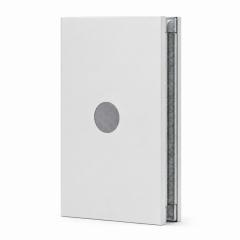
System Overview The medical cleanroom panel is an advanced, modular architectural component engineered specifically for stringent healthcare, hospital, and pharmaceutical cleanrooms. Featuring an active antibacterial HPL or coated-metal surface, this premium panel effectively prevents microbial growth and strictly eliminates particle shedding. Integrated with highly insulated, fire-rated cores (such as Mineral Wool or PIR), these panels establish the ultimate structural foundation for sterile, contamination-controlled environments. Key operational and compliance advantages include: Seamless Hygienic Integration: Precision-engineered flush joints eliminate microscopic gaps and dust traps, streamlining rapid and rigorous daily disinfection protocols. Strict GMP & ISO Compliance: With superior cleanability grades, the panels ensure your facility consistently meets the highest regulatory standards for sterile medical environments. Rapid Installation & Durability: The standardized modular design accelerates on-site assembly, significantly reducing construction downtime while delivering long-term, low-maintenance hygiene.
System Overview A fiberglass panel (also known as glass fiber insulation board or FR-4) is an asbestos-free composite synthesized from glass fiber and high heat-resistance resin, offering high mechanical and dielectric strength alongside exceptional heat and moisture resistance and superior processability. Widely specified for plastic molds, machine manufacturing, and PCB fixtures, it also performs as a sound-absorbing wall and ceiling material, replacing ultra-fine glass wool felt in cold-storage rooms, broadcast studios, and ventilation trenches. Key architectural advantages include: Wide Temperature & Moisture Resistance: Stable from −30°C to +150°C with no deterioration or mildew, far outperforming traditional cork or wood board. Precision Surface & Processability: High flatness with no pits and standard thickness tolerances make it excellent for drilling, injection molds, and precision PCB fixtures. Effective Sound Absorption: A porous structure reflects and absorbs sound waves when built with rigid, tight walls, ideal for insulation and building acoustics applications.
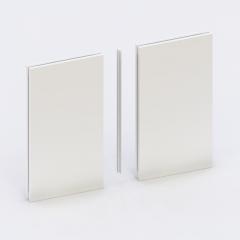
System Overview The clean room partition system is an integrated, modular wall solution engineered for high-efficiency industrial cleanroom workshops. By utilizing standardized panels, sealing profiles, and robust structural supports, this system delivers an airtight, thermally insulated barrier designed to maintain strict ISO Class 5–8 cleanliness levels. Its defining architectural feature is the 90° right-angle connection, which provides a simplified, exceptionally solid, and highly economical method for constructing airtight controlled environments. Perfectly suited for electronics, semiconductor, and mechanical component manufacturing. Key operational advantages include: Optimized Installation Efficiency: The 90° corner-to-partition alignment drastically simplifies on-site assembly, reducing labor hours and overall project costs for large-scale facilities. Economical Scalability: Provides a cost-effective, high-performance cleanroom barrier that maintains rigorous environmental control without the premium expense of medical-grade coved-corner systems. Structural Rigidity & Stability: Engineered for superior firmness, ensuring long-term durability in heavy-duty industrial production environments.
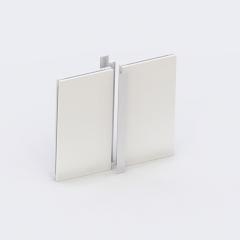
System Overview The cleanroom demountable partition wall is an advanced, reusable modular wall system engineered to deliver ultimate layout flexibility for controlled environments. Featuring high-performance insulated panels (e.g., PIR, Rock Wool) and precision airtight seals, this system allows facilities to execute rapid cleanroom reconfiguration without the dust, debris, and downtime of traditional construction. Perfectly suited for temporary structures, expandable facilities, pharmaceutical pilot labs, and dynamic R&D environments. It strictly supports ongoing ISO classification compliance while drastically reducing renovation timelines and long-term capital costs. Key operational advantages include: 100% Relocatable & Reusable: The innovative clamp-and-screw mechanism allows individual panels to be removed and reinstalled in minutes, preserving material integrity for future facility expansions. Airtight & Contamination-Free: Mechanical interlocking profiles and integrated gaskets restore a completely sealed, flush finish after every reassembly, preventing air leakage and particle accumulation. Zero-Disruption Upgrades: Enables fast-track equipment access or layout modifications without triggering major construction shutdowns, keeping your core operations running smoothly.
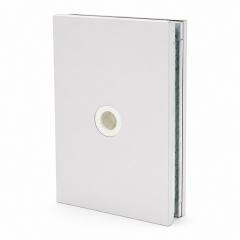
System Overview A cleanroom sandwich panel is the fundamental architectural element for engineering high-performance, contamination-controlled environments. Designed to construct completely flush, airtight cleanroom wall and ceiling systems, these premium composite panels prevent particle accumulation and facilitate stringent daily disinfection protocols. Engineered with customizable insulated cores—including Rock Wool, PU/PIR, and Aluminum Honeycomb—these panels provide exceptional thermal regulation, acoustic insulation, and fire resistance. They are the industry standard for strict environmental control in pharmaceuticals, microelectronics, food processing, and healthcare. Key architectural advantages include: Seamless & Flush Integration: Precision-engineered tight joints eliminate micro-gaps, ensuring zero dust generation and allowing for rapid, thorough wipe-downs. Advanced Environmental Control: High-performance functional cores deliver superior thermal insulation and humidity regulation, significantly reducing HVAC energy loads. Strict Industry Compliance: Features highly corrosion-resistant and antistatic surfaces tailored to meet the rigorous demands of GMP and ISO 14644 standards.
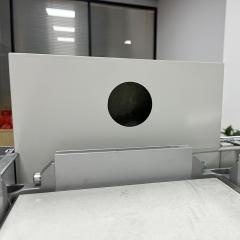
System Overview A ventilate sandwich panel is a modular cleanroom return air panel engineered to organize airflow direction and support integrated fresh-air circulation without external ductwork. Positioned at the lower part of the workshop, it channels air in the same direction as particle settlement, ensuring dust and contaminants are carried directly to the return air outlet. Built as a modular sandwich structure and available in louver, grate-hole, mesh-plate, orifice-plate, and mushroom-outlet configurations, it integrates with fresh-air circulation and filtration systems to maintain consistent air quality across general cleanroom workshops. Key architectural advantages include: Unified Airflow Direction: Return air outlets are positioned in the lower zone of the workshop so airflow matches the natural settling direction of dust particles, maximizing removal efficiency. Integrated Air Channels: Air distribution pathways are built into the panel structure, eliminating external ductwork, saving overhead space, and reducing static electricity build-up. Cross-Contamination Prevention: High filter efficiency at the return air outlet supports fresh-air circulation and blocks pollutant migration between adjacent cleanroom workshops.
System Overview A soundproof panel is an acoustic-insulation panel engineered to control noise transmission in industrial and commercial settings. A micro-perforated metal facing sits over a high-density mineral wool or fiberglass core in a sealed, layered construction, allowing the panel to both absorb sound energy (NRC / α) and block its transmission (Rw / STC) in a single build. Available in customizable perforation patterns, thicknesses, and finishes, it dampens both airborne and impact noise while maintaining thermal and structural performance, integrating seamlessly with cleanroom wall and ceiling systems for laboratories, studios, and production areas. Key architectural advantages include: Dual Acoustic Function: The perforated face absorbs sound energy to reduce echo, while the dense, sealed core blocks transmission to the adjacent space. Tunable Core Performance: A non-combustible mineral wool or fiberglass core is matched to your target frequency, with Rw / NRC / STC ratings confirmed per configuration. Sealed, Flanking-Free Construction: An aluminum edge frame and airtight joints prevent leaks that would otherwise short-circuit acoustic performance.
System Overview The HPL sandwich panel is a premium architectural solution engineered by bonding a highly durable high-pressure laminate (HPL) surface layer to a customizable insulated core (such as PIR or Rock Wool). Designed specifically for demanding cleanroom and industrial applications, these high-pressure laminate cleanroom panels deliver an unparalleled combination of structural integrity and aesthetic versatility. Renowned for their robust physical properties, these panels provide the ultimate defense against mechanical impacts and harsh chemical agents. They are widely specified for laboratories, hospitals, pharmaceutical cleanrooms, and food processing facilities requiring strict environmental control. Key operational advantages include: Chemical & Scratch Durability: The high-density melamine resin surface is inherently scratch-proof and easily withstands aggressive daily disinfection protocols without surface degradation. Hygienic & Low-Maintenance: Features a completely non-porous, smooth finish that prevents particle accumulation, ensuring seamless compliance with stringent GMP and ISO standards. Advanced Core Performance: Available in both fire-rated and non-fire-rated variants, the integrated core provides exceptional thermal insulation and sound dampening for a highly stable interior climate.
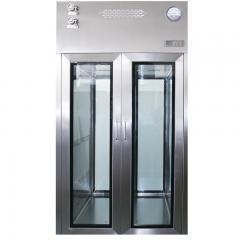
Overview: Pass box is a kind of auxiliary equipment for clean room. It is mainly used for the transfer of small items between clean area to another clean area, between clean area and non-clean area, to reduce the number of times the clean room is opened and pollute the clean room. Reduce to a minimum. The transfer window is made of stainless steel and is smooth and smooth. The double doors are interlocked to each other to effectively prevent cross-contamination. They are equipped with electronic or mechanical interlocking devices and equipped with ultraviolet germicidal lamps.
System Overview A Silica Rock Cleanroom Panel bonds two coated-steel facings to a rigid, inorganic silica rock (silicon crystal) core — an A-grade fireproof, moisture-proof and high-strength cleanroom wall and ceiling panel made to a ≤ 2 mm/2 m flatness tolerance. Key advantages: A-Grade Fireproof: Non-combustible mineral core, no droplets or heavy smoke under fire. Moisture-Proof: Water absorption ≤ 5% — does not swell, far better than ordinary rock wool in damp areas. Rigid & Strong: Hard, high-density board with strong impact and compressive resistance.
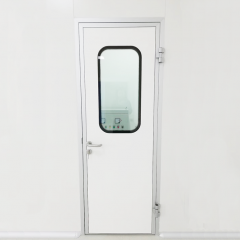
Overview: The Clean room glass door is a popular choice for many clean room applications because it creates an "open space" that makes the door the first choice for operators to work within the laboratory.
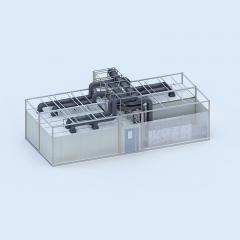
Video Showcase Overview This modular clean room video highlights Wonclean’s cleanroom design, manufacturing, installation, and project delivery capabilities for controlled environment applications. Through real project footage, engineers and procurement teams can review our cleanroom panels, modular assembly process, FFU ceiling system, and finished ISO-compliant cleanroom environment. Note: For technical specifications, layouts, and customized solutions, please visit our Modular Cleanroom product page. { "@context": "http://schema.org", "@type": "Article", "headline": "Modular Clean Room-video Design, Modular Clean Room-video Manufacturers", "author": { "@type": "Person", "url": "https://www.wonclean.com/", "name": "Wonclean" }, "image": "https://www.wonclean.com/uploadfile/202312/25/c64a2135f40633ec107f44aacea918ed_thumb.jpg", "articleBody": "Modular clean room video showing Wonclean’s cleanroom design, manufacturing, installation, and project delivery capabilities for controlled environment applications. This modular clean room video highlights cleanroom panels, modular assembly process, FFU ceiling system, and finished ISO-compliant cleanroom environment." }

 Room JT30151, Building 4, Area B, No. 925 Yecheng Road, Industrial Zone, Shanghai,China
 Info@wonclean.com
Allen@wonclean.com
Joy@wonclean.com
Info@wonclean.com
Allen@wonclean.com
Joy@wonclean.com
 +86 13671979988(Allen)+86 15950938878(Joy)


 online service

