









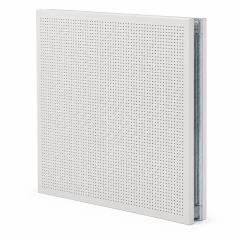
Introduction Detail
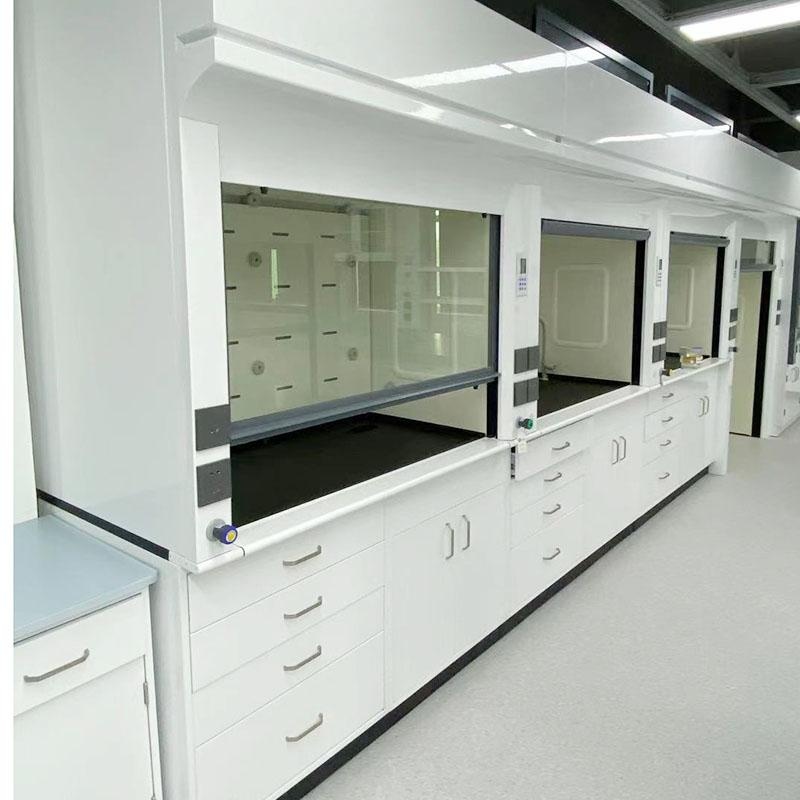
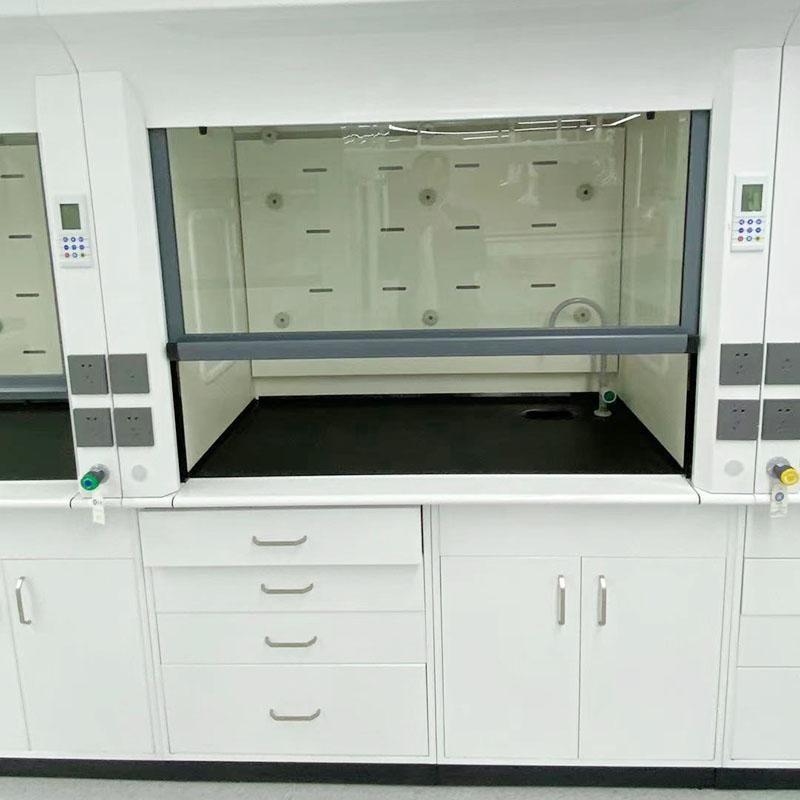
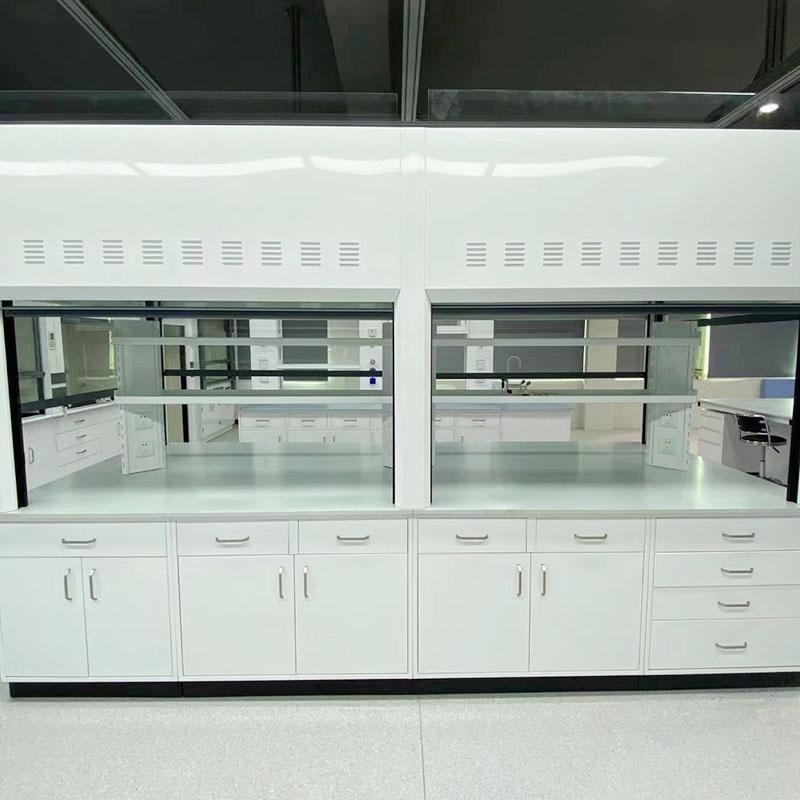
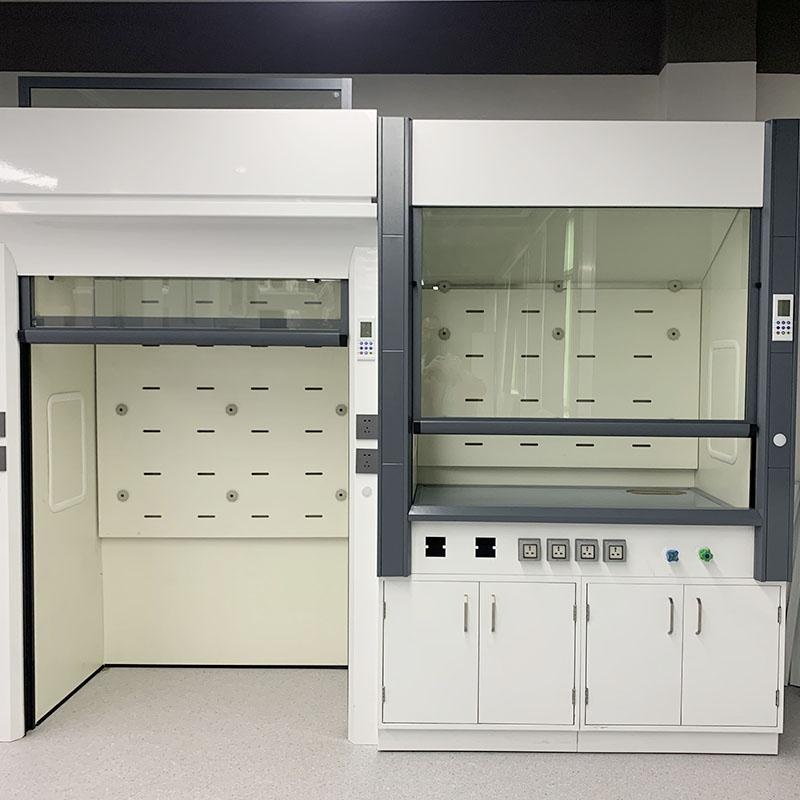
The most important function of the fume hood is the exhaust function. In the chemical laboratory, various harmful gases, odors, moisture and flammable, explosive, and corrosive substances are generated during the experimental operation. To protect the safety of users and prevent pollutants from spreading, a fume hood is essential near the source of pollution.
Product Parameter
| Product Name | Fume Hood |
| Primary Function | Exhaust and Ventilation |
| Structure Type | Top-down approach |
| Table Top Material | Solid core physicochemical panel, Stainless steel, PVC, Ceramic, etc. |
| Shell Materials | All steel, Steel wood, Wood, Aluminum wood, Plastic steel, PVC |
| Dimensions | Width: 1000-2000mm / Depth: 700-900mm / Height: 1900-2400mm |
| Glass Opening Height | 100 - 600mm |
| Operate Port Wind Speed | Not less than 0.5 m/s |
Classification
- ✅ By Exhaust Type: Top exhaust, bottom exhaust, or simultaneous top/bottom exhaust.
- ✅ By Air Inlet: Full exhaust, compensating air type, or variable air volume (VAV) hoods.
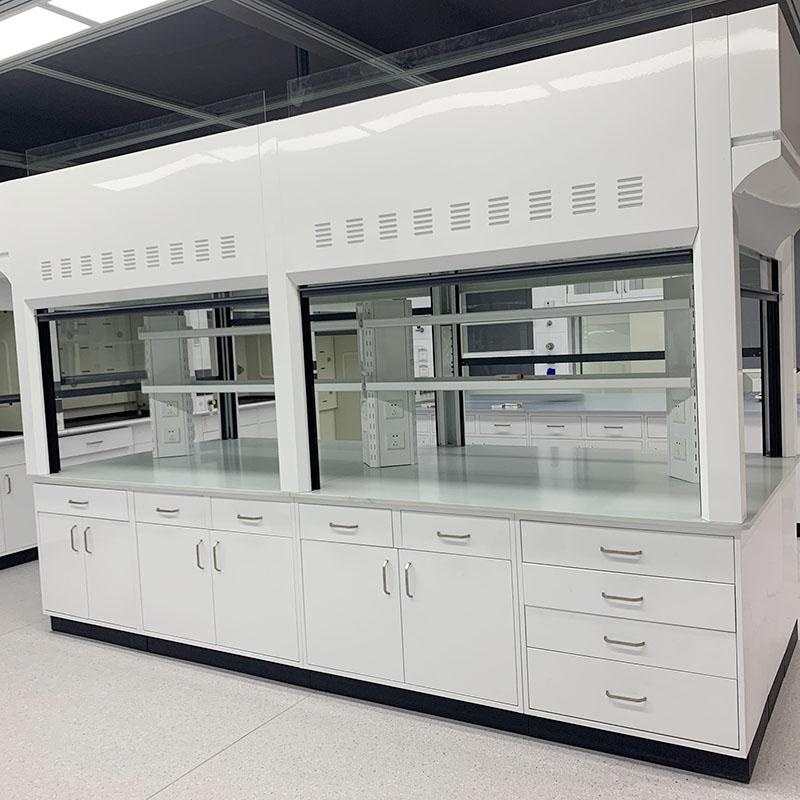
- ✅ By Usage: Integral, bottom open, floor type, two-sided, three-sided glass, or conjoined type.
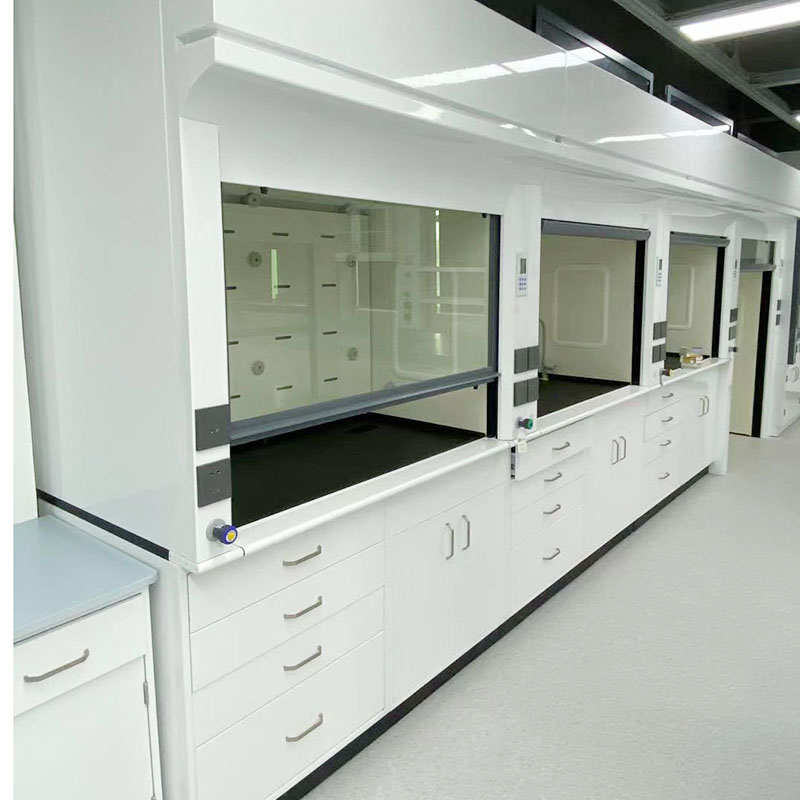
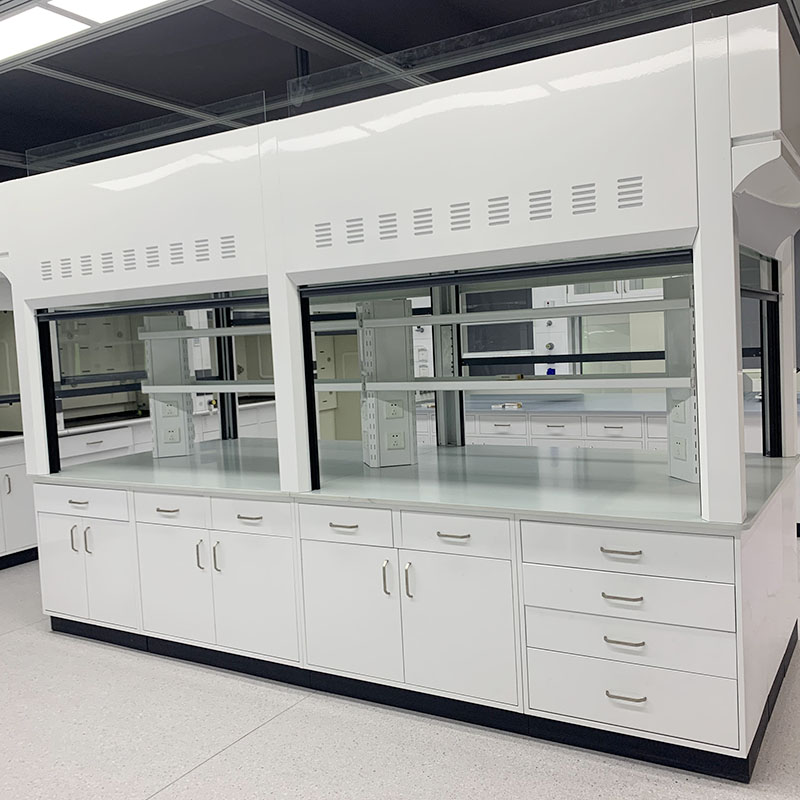
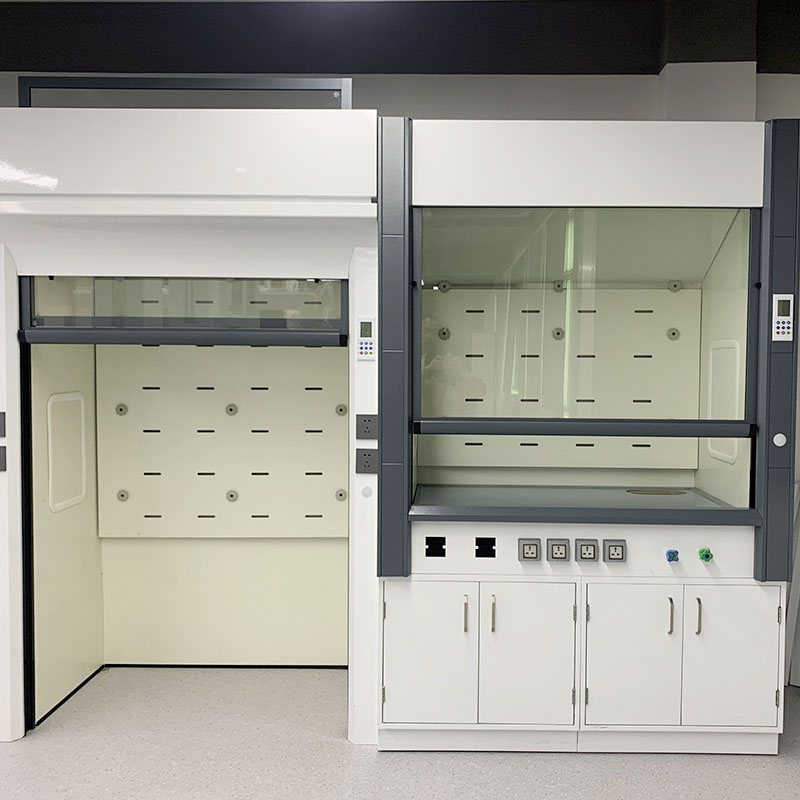
Detail Picture
Security Features
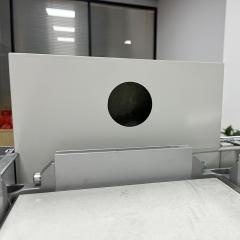
- Exhaust Structure: Single-slit design effectively exhausts harmful gases.
- Streamlined Handle: Gap design ensures effective air intake even when glass is rotating.
- Anti-dropping Pin: Prevents injuries if the steel wire rope fails.
- Toughened Glass: Ensures safety and resistance to accidental impact.
- Ventilation Holes: Located at the top to avoid excessive negative pressure.
- Fireproof Materials: Metal shell with flame-retardant inner cavity (stainless steel/anti-fold plates).
- Ergonomic Design: Table height of 800mm and inner cavity of 1200mm provides ample workspace.
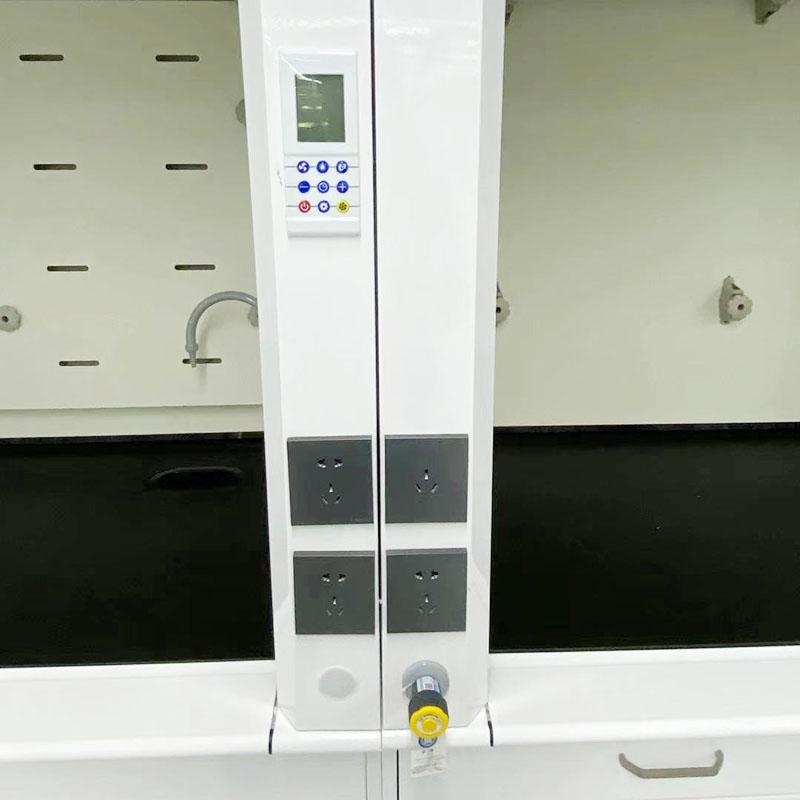
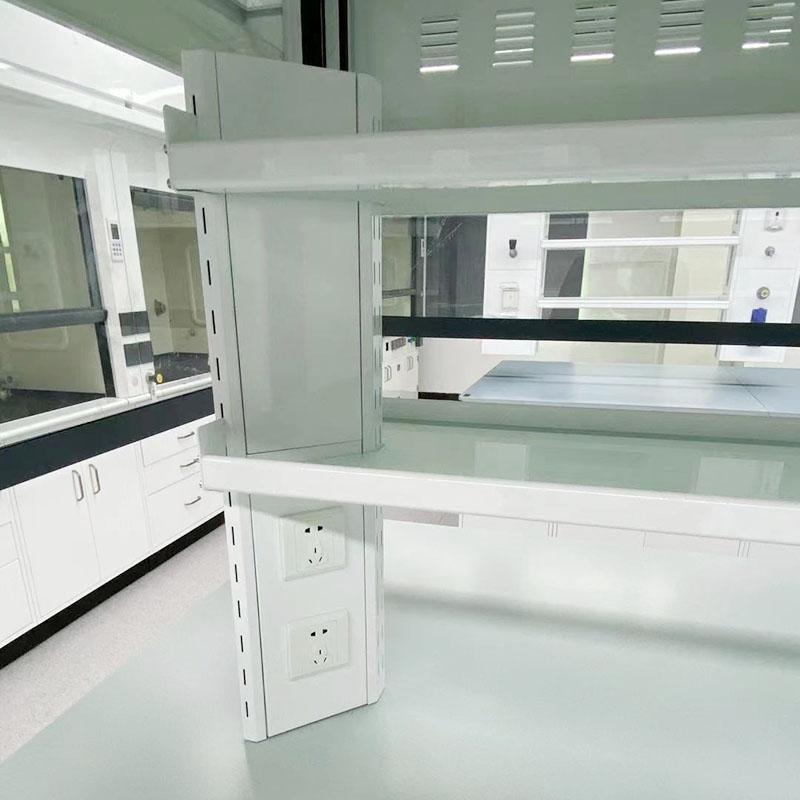
- Remote Operation: Water/air nozzles are operated from outside for operator safety.





 online service

