What are you looking for?
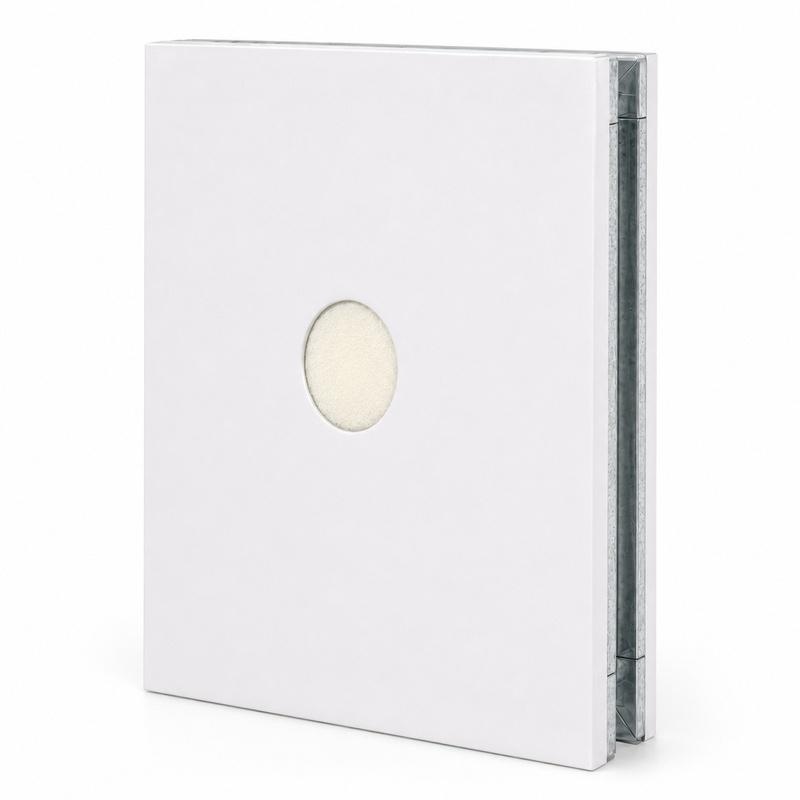
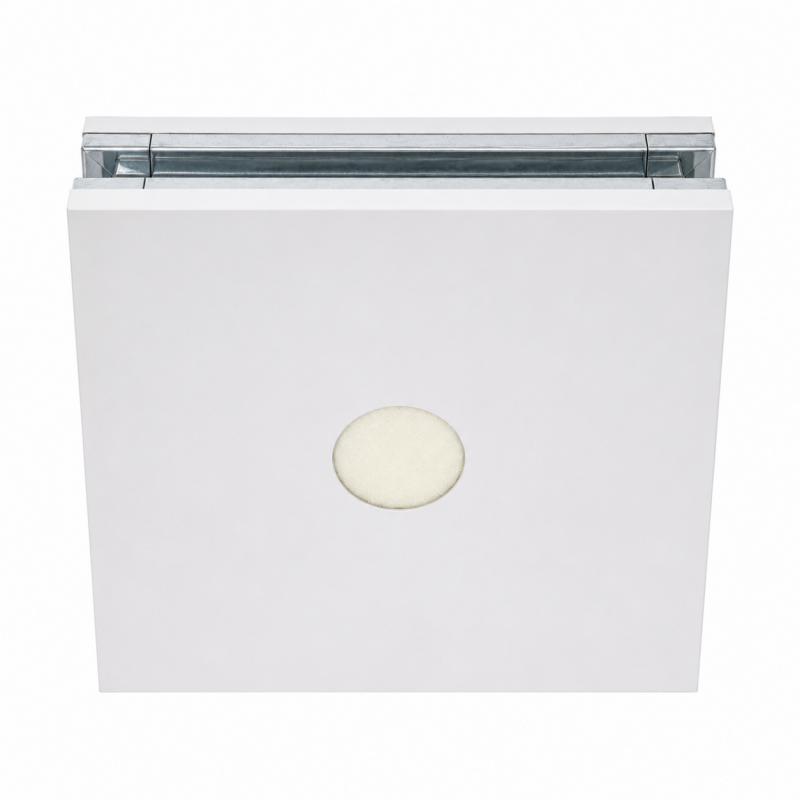
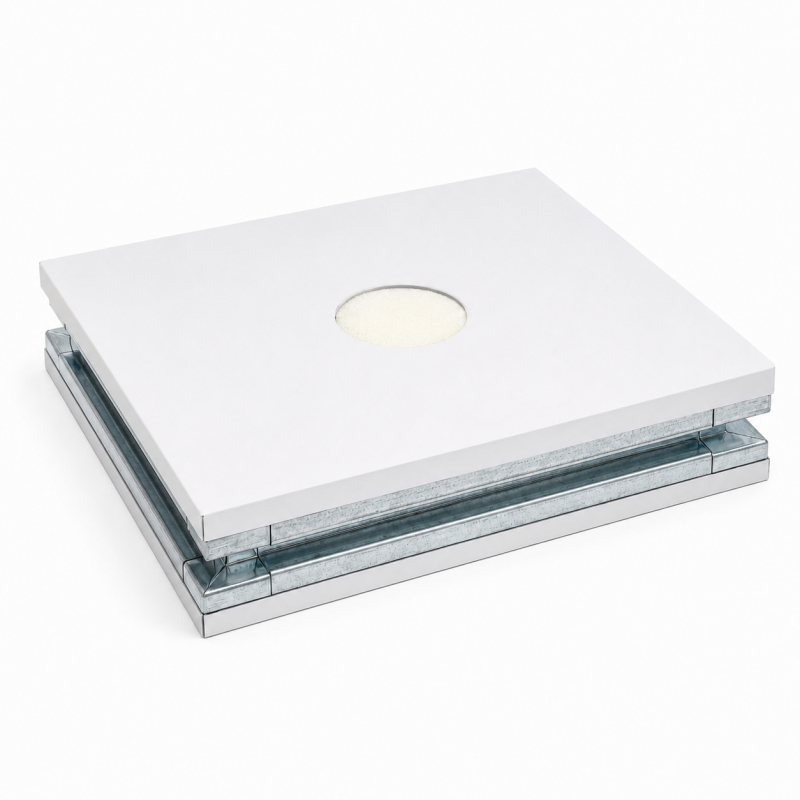
A PIR Cleanroom Panel bonds two coated-steel facings to a rigid polyisocyanurate (PIR) foam core — a high-insulation, fire-improved cleanroom wall and ceiling panel made to a ≤ 2 mm/2 m flatness tolerance. Key advantages:
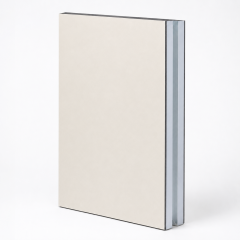
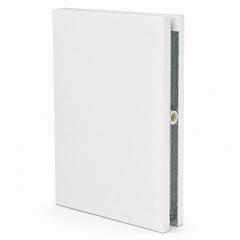
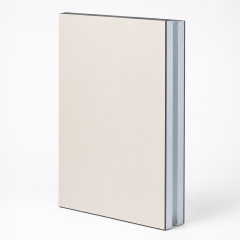
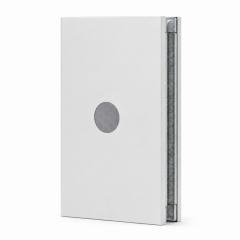
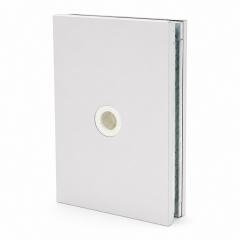
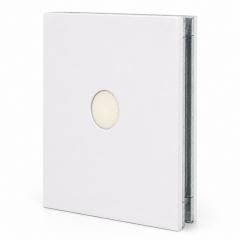
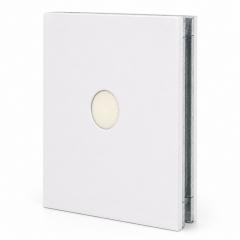
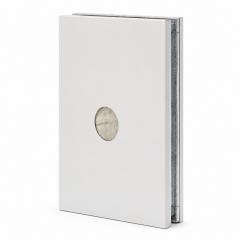
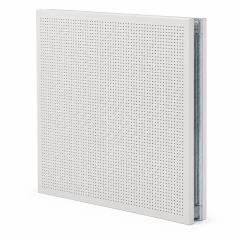
A PIR cleanroom panel is a metal sandwich panel with a rigid polyisocyanurate (PIR) foam core bonded between two color-coated steel facings. PIR is the fire-improved relative of polyurethane: it keeps almost the same outstanding thermal insulation but, under fire, forms a stable surface char with reduced flame spread and smoke, earning a Class B1 rating. The result is an airtight, lightweight panel that gives both strong insulation and a higher level of fire safety.
Choose PIR when a project needs maximum insulation but also has to satisfy a fire requirement that the standard PU panel (B1/B2) cannot — cold rooms, food and cold-chain, and controlled-temperature suites. Where a fully A-grade non-combustible wall is mandatory, the rock wool and MgO rock wool panels are the choice.
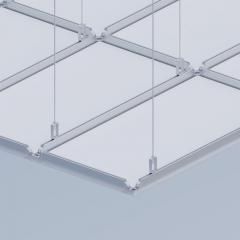
Part of Wonclean's cleanroom sandwich panel family, the PIR panel pairs with matching ceiling systems and cleanroom doors and windows for a fully sealed, flush cleanroom wall system.
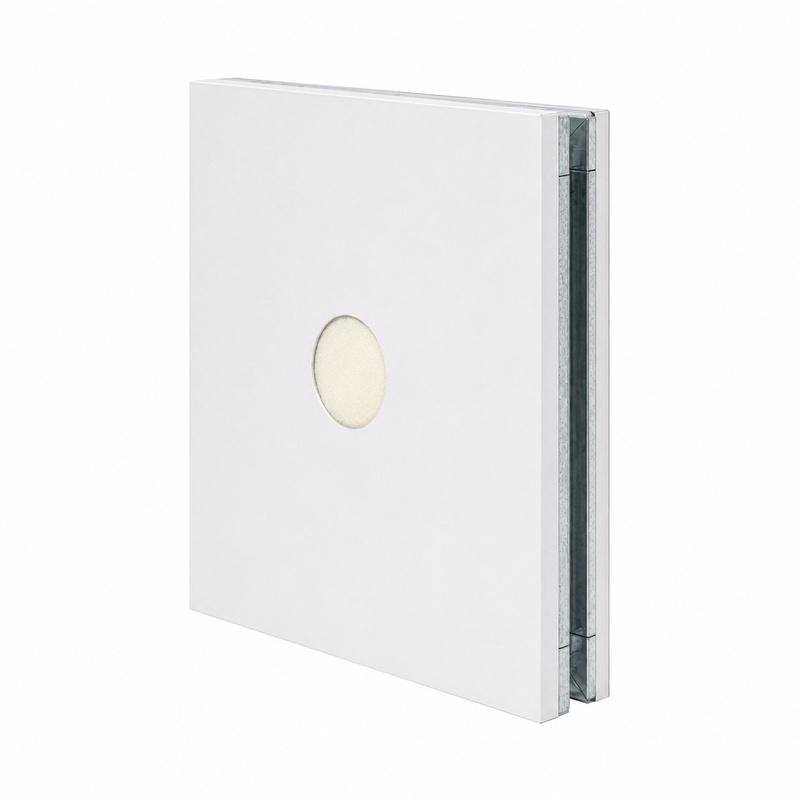


| Panel thickness | 50 mm standard; 75 / 100 mm and other thicknesses fully customizable |
| Effective width | 1150 mm standard (1180 mm overall); 980 mm optional |
| Panel length | Cut-to-size, typically up to 6000 mm per panel; longer on request |
| Facing (steel) | Top-brand pre-painted / galvanized steel 0.4–0.6 mm; stainless steel option |
| Core | Rigid polyisocyanurate (PIR) closed-cell foam, density 38–45 kg/m³ |
| Thermal conductivity | λ ≈ 0.022–0.023 W/(m·K) |
| Fire rating | Fire class B1 — improved over standard PU; low-smoke char-forming |
| Weight | Lightweight ≈ 11–14 kg/m² depending on facing & thickness |
| Flatness tolerance | ≤ 2 mm / 2 m for tight, gap-minimised joints |
| Joint system | Tongue-and-groove, cam-lock or aluminium H / C connectors |
| Standards / lead time | EN 13501-1 · ASTM E84 · BS 476 · ISO 9001 · CE · China / Shanghai · ~10–25 days |
Standard configurations shown; all dimensions, steel gauge, core density, color and certificates are tailored per project — request the full datasheet & test reports.
| Feature | PIR (this panel) | PU |
|---|---|---|
| Fire class | B1 (improved) | B1 / B2 |
| Behaviour in fire | Forms stable char, low smoke | Softens / melts sooner |
| Thermal insulation | Excellent (λ ≈ 0.022) | Best (λ ≈ 0.022) |
| Best for | Insulation + fire requirement | Lowest cost insulation — see PU panel |
Both deliver excellent thermal insulation, but PIR has an upgraded chemistry: it earns a Class B1 fire rating and, under flame, forms a stable surface char with reduced smoke rather than softening as quickly as standard PU. Choose PIR when you need insulation plus a higher fire classification.
The PIR core reaches Class B1. We supply third-party test reports to EN 13501-1, ASTM E84 and BS 476, plus ISO 9001 and CE. If the project demands a fully A-grade non-combustible wall, we recommend a rock wool or MgO core instead.
PIR offers a thermal conductivity of around λ ≈ 0.022–0.023 W/(m·K), close to PU and well ahead of mineral cores. Thinner PIR panels can match the insulation of much thicker rock wool, saving space and reducing the running cost of cold or temperature-controlled rooms.
Yes. The closed-cell PIR core is a moisture and vapour barrier, and tongue-and-groove or cam-lock joints seal each junction. Installed with sealed joints and a continuous vapour barrier, the system controls condensation in chilled and humidity-controlled spaces.
Standard is top-brand pre-painted steel (stainless available) in RAL or custom colors, made to ≤ 2 mm/2 m flatness. A single project uses the same steel coil batch for color consistency; large multi-batch orders are color-matched with the mill or zoned by area.
Sample/small orders typically ship in 10–15 days and a full container in about 20–25 days from Shanghai. Steel gauge, color, thickness and certificates are made to order — send your panel schedule and we will confirm exact MOQ, lead time and FOB/CIF/DDP pricing.
Send us your thickness, steel facing, color, target temperature, fire class and panel quantity. Our engineers return a panel schedule, test reports and a factory-direct quotation — typically within 24 hours.
Hot Tags: clean room panel supplier · cleanroom wall panels · cleanroom panel manufacturer · PU cleanroom panel · cleanroom sandwich panel · clean room partition
System Overview A Rockwool Cleanroom Panel bonds two corrosion-resistant color-steel facings to a high-density rock wool core — an A-grade fireproof, sound-insulating cleanroom wall and ceiling panel made to a ≤ 2 mm/2 m flatness tolerance. Key advantages: A-Grade Fireproof: Non-combustible mineral-wool core with up to 1–2 h fire resistance. Durable Steel Facing: Top-brand coated steel — corrosion-resistant, anti-static, no dust accumulation. Thermal & Acoustic: Dense rock wool damps noise and stabilizes temperature for HVAC.
System Overview A PU Cleanroom Panel bonds two coated-steel facings to a rigid polyurethane (PU) foam core — a high-insulation, airtight cleanroom wall and ceiling panel made to a ≤ 2 mm/2 m flatness tolerance. Key advantages: Superior Insulation: Lowest thermal conductivity (λ ≈ 0.022 W/m·K) — ideal for cold rooms and controlled temperatures. Airtight & Sealed: Closed-cell foam blocks moisture and air leakage for stable conditions. Lightweight & Strong: Strong facing bond, low weight and an anti-static, wipe-clean surface.
System Overview A Duct Cleanroom Panel is a pre-insulated board for fabricating clean HVAC air ducts — a smooth metal facing over a rigid insulation core, with a galvanized perimeter for flanged jointing, made to a ≤ 2 mm/2 m flatness tolerance. Key advantages: Built-in Insulation: The core insulates and prevents condensation — no separate lagging needed. Clean, Low-Leakage Airway: Smooth, dust-free interior with airtight, sealed joints. Light & Fast to Build: Lighter than sheet-metal duct and quick to cut, fold and assemble on site.
System Overview A Magnesium Oxide Rock Wool Cleanroom Panel bonds two A1 magnesium oxide (MgO) facings to a high-density rock wool core — an all-inorganic, fireproof and moisture-proof cleanroom wall and ceiling panel built to a ≤ 2 mm/2 m flatness tolerance. Key advantages: A1 Non-Combustible: Double MgO facing plus A-grade core — passes strict fire-code audits. Moisture & Mold Proof: Inorganic build with no rust, no off-gassing and zero swelling in wash-down rooms. Walkable & Flat: Anti-sag rigid skeleton for seamless wall and ceiling runs.
System Overview An Aluminum Honeycomb Cleanroom Panel bonds two thin metal facings to a lightweight aluminum honeycomb core — an ultra-flat, high-rigidity, A-grade cleanroom wall and ceiling panel made to a ≤ 2 mm/2 m flatness tolerance. Key advantages: Lightweight & Strong: High strength-to-weight ratio — ideal for FFU and walkable ceilings. Ultra-Flat & Rigid: Dimensionally stable, sag-free surface for high-grade flush finishes. A-Grade & Clean: Non-combustible, corrosion-resistant, anti-static and dust-free.
System Overview An HPL Cleanroom Panel bonds two high-pressure laminate (HPL) facings to a configurable core (honeycomb, MgO or rock wool) — a chemical-resistant, decorative cleanroom wall and ceiling panel made to a ≤ 2 mm/2 m flatness tolerance. Key advantages: Chemical & Disinfectant Resistant: Withstands alcohol, hydrogen peroxide and bleach for frequent cleaning. Scratch-Proof & Rust-Free: Hard, impact-resistant surface that never corrodes. Color-Stable & Decorative: Color runs through the board — many colors and wood-grain finishes.
System Overview An Insulated Cleanroom Panel is a perforated, sound-absorbing acoustic wall and ceiling panel — a micro-perforated metal facing over a high-density rock wool core that absorbs noise while it insulates, built to a ≤ 2 mm/2 m flatness tolerance. Key advantages: Absorbs Noise: Perforated face plus mineral core cuts reverberation and lowers room noise levels. Cleanroom-Safe: Acoustic fleece behind the perforations stops fibre release — dust-free and A-grade non-combustible. Insulates Too: The rock wool core adds thermal insulation in a single board.
System Overview A Silica Rock Cleanroom Panel bonds two coated-steel facings to a rigid, inorganic silica rock (silicon crystal) core — an A-grade fireproof, moisture-proof and high-strength cleanroom wall and ceiling panel made to a ≤ 2 mm/2 m flatness tolerance. Key advantages: A-Grade Fireproof: Non-combustible mineral core, no droplets or heavy smoke under fire. Moisture-Proof: Water absorption ≤ 5% — does not swell, far better than ordinary rock wool in damp areas. Rigid & Strong: Hard, high-density board with strong impact and compressive resistance.
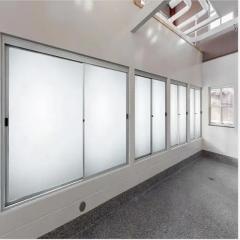
Overview: Atomized glass uses a specialized surface treatment to create a fine mist-like texture, reducing glare while maintaining high light transmission. Available in anti-fog, anti-reflection, and self-cleaning variants, it prevents condensation buildup, minimizes visual distortion, and supports optical clarity in humid or variable environments. Ideal for medical observation windows, laboratory enclosures, and cleanroom partitions, it enhances visibility and hygiene control.
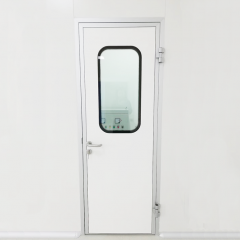
Overview: The Clean room glass door is a popular choice for many clean room applications because it creates an "open space" that makes the door the first choice for operators to work within the laboratory.
System Overview An Insulated Cleanroom Panel is a perforated, sound-absorbing acoustic wall and ceiling panel — a micro-perforated metal facing over a high-density rock wool core that absorbs noise while it insulates, built to a ≤ 2 mm/2 m flatness tolerance. Key advantages: Absorbs Noise: Perforated face plus mineral core cuts reverberation and lowers room noise levels. Cleanroom-Safe: Acoustic fleece behind the perforations stops fibre release — dust-free and A-grade non-combustible. Insulates Too: The rock wool core adds thermal insulation in a single board.
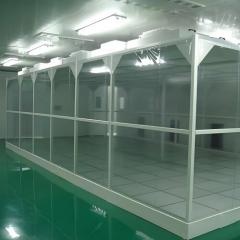
Constructed with anti-static PVC strip curtains and a lightweight industrial frame, it provides excellent accessibility, static dissipation, and reliable particle protection for ESD-sensitive processes. This unit is ideal for applications requiring ISO Class 7–8 (Class 10,000–100,000) cleanliness with frequent personnel or material movement.

 Room JT30151, Building 4, Area B, No. 925 Yecheng Road, Industrial Zone, Shanghai,China
 Info@wonclean.com
Allen@wonclean.com
Joy@wonclean.com
Info@wonclean.com
Allen@wonclean.com
Joy@wonclean.com
 +86 13671979988(Allen)+86 15950938878(Joy)


 online service

