



Technical Encyclopedia: Comprehensive Evaluation of Modern Types of Cleanroom Doors for 2026 Controlled Environments
In 2026, strict global biocontainment frameworks require precision engineering of flush-mounted contamination barriers. As an established cleanroom doors manufacturers, WONCLEAN provides optimized entries to maintain critical pressure profiles and resist harsh sanitization. Selecting between a dense composite HPL door shell and a heavy-duty steel barrier depends on your chemical exposure and mechanical impact risks. Certified cleanroom doors must stop ambient air leakage, while specialized zones require an anti-corrosive cleanroom stainless steel door or a smooth breakout cleanroom emergency escape door layout to balance sterile containment with operator safety.
Why Do 2026 Compliance Updates Dictate the Spatial Classification of Swinging, Sliding, and Interlocking Core Doors?
The updated 2026 compliance landscape focuses heavily on the elimination of micro-refuges for biological matter and the endurance of structural materials against aggressive sanitization. Cleanroom doors are an essential component of cleanroom facilities, as they help maintain the integrity of controlled environments by preventing the ingress of contaminants. Traditional multi-piece frame designs are obsolete in 2026; material variants must be engineered with co-planar, zero-clearance, completely flush geometries that interface cleanly with prefabricated wall components.
The selection of specialized entrance types directly impacts localized downflow air turbulence, differential pressure retention, and structural facility validation over multi-year operational cycles. Like modular panels for cleanroom development, clean room doors play an important role in the preservation, compliance and safety of your modular cleanroom environment. Doors for cleanrooms come in various models: swinging, sliding, single or dual-flush, roll-up, or airtight.
What Parametric Standards Quantify the Performance of Different Cleanroom Doors?
To satisfy the 2026 criteria for automated air boundary layer control and continuous differential pressure maintenance, this master technical matrix merges all material claddings, kinetic operations, and structural safety solutions into a high-density reference table using standard cleanroom procurement terminology.
| Cleanroom Door Category Matrix | Surface Material | Motion Type | Airtight Level | VHP Resistance | 2026 Core Target Application |
|---|---|---|---|---|---|
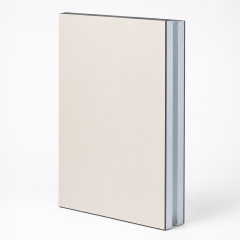
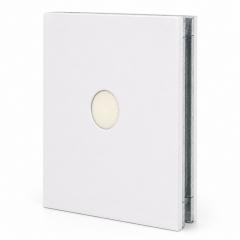
| Clean Room HPL Door | Phenolic composite resin | Manual swing hinge | Maximum (Drop seal) | Excellent | Diagnostic labs, corridors, research suites |
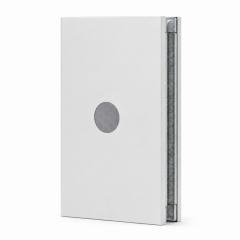
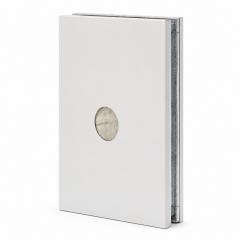
| Clean Room Steel Door | Powder coated galvanized steel | Manual/Auto swing | Maximum (Drop seal) | Outstanding | Pharmaceutical suites, standard GMP lines |
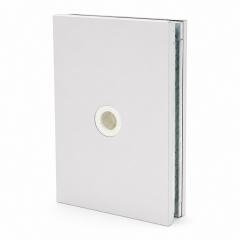
| Clean Room Stainless Steel Door | Medical grade 316L stainless steel | Manual/Auto swing | Maximum (Compression) | Maximum | Sterile washing cells, high-humidity labs |
| Clean Room Aluminium Door | Anodized extruded aluminum frame | Lightweight swing | High (Gasket profile) | Excellent | Secondary airlocks, instrument swap rooms |
| Clean Room Glass Door | Double-flush tempered safety glass | Swing or slide track | High (Gasket profile) | Excellent | High-visibility office labs, staging areas |
| Clean Room Sliding Door | Steel, stainless, or HPL claddings | Horizontal track roll | High (Press-down seal) | Outstanding | Space-limited corridors, heavy logistics airlocks |
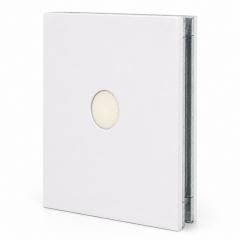
| Clean Room Emergency Escape Door | Galvanized steel sheets with panic hardware | Outward breakout swing | Maximum (Magnetic lock) | Outstanding | Hazardous bio-labs, rapid personnel egress zones |
| Fireproof Door | Heavy steel lining with rockwool insulation | Self-closing swing | High (Intumescent seal) | Outstanding | Thermal containment zones, chemical storage cellars |
| Roll-Up Doors | High-speed polymer or fabric slats | Vertical overhead roll | Moderate (Perimeter brush) | Good | High-frequency bulk material transit airlocks |
| Strip Doors | Overlapping plastic PVC curtains | Static suspended hang | Low (Free air pass) | Moderate | Cold storage entries, non-classified warehouse borders |
| Air Lock Doors | Interlocking swinging or sliding units | Dual coordinated cycles | Absolute (Logical control) | Maximum | Personnel airlocks, cross-contamination buffer hubs |
| Pass-Through Doors | Compact stainless hatch box enclosures | Interlocked dual hatches | Absolute (Mechanical link) | Maximum | Small material transfer lines between different classes |
How Do Emergency Escape Models Protect High-Pressure Biocontainment Areas?
What Structural Latches Preserve Dynamic Pressure Integrity?
In localized negative pressure zones (-30 Pa to -45 Pa) built to isolate hazardous viral pathogens or potent powder mixtures, cleanroom emergency escape door configurations require a precise balance between fast evacuation and complete air tightness. Traditional breakout hardware creates minute crevices where microparticles can settle. Modern 2026 engineering integrates co-planar panic push bars and flush electromagnetic surface latches. This hardware keeps the door leaf perfectly pressed against the silicone gasket seal during standard operations, avoiding air leakage risks while allowing rapid breakout during emergency situations.
Why Do Cleanroom Stainless Steel Door Claddings Prevent Surface Microbial Adhesion?
For critical sterile sectors, utilizing a cleanroom stainless steel door sheet engineered from medical-grade 316L material provides an unparalleled hygienic barrier. The smooth, non-porous surface finish naturally prevents organic cellular adhesion and biological bio-film buildup. When subjected to routine cleaning routines or automated high-concentration chlorine dioxide misting, the non-reactive metal skin completely avoids micro-fissuring, pitting, or paint chalking, maintaining its validation baseline across long-term industrial life cycles.


 online service

