What are you looking for?
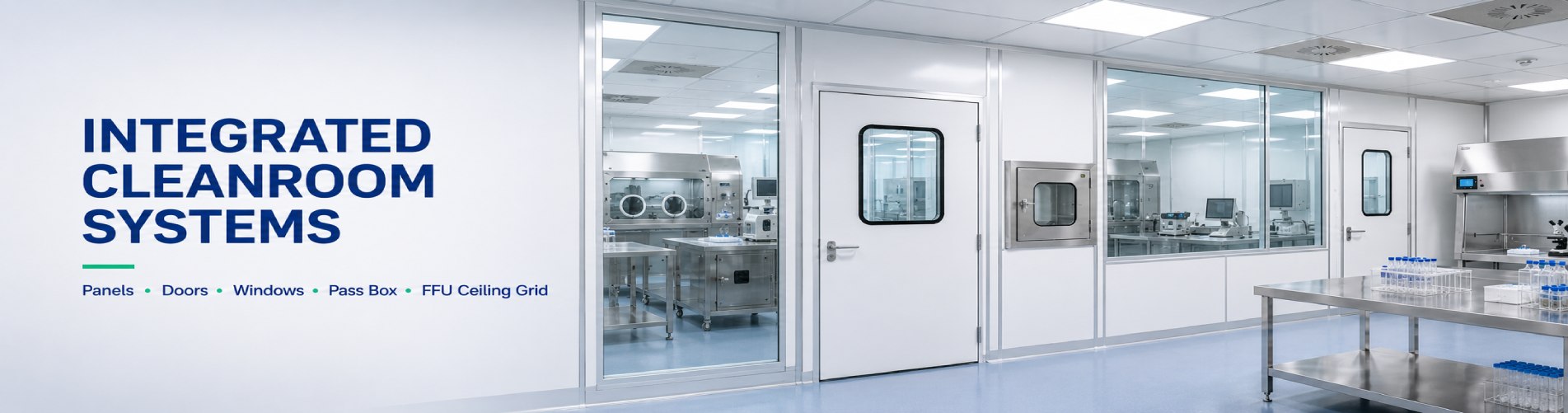
The Invisible Guardian of Cleanrooms: Do You Really Know the Secrets of Return Air Filters?
In laboratory purification projects, the impact of return air filters on air quality is often overlooked. In fact, many factors influence indoor air quality—system design, fresh air volume, and equipment functionality all play critical roles. To enhance air quality, every aspect of the air circulation process must be carefully managed. And the filtration efficiency of return air outlets is precisely one of the most frequently neglected keys.
Despite their small size, return air filters play a vital role in cleanroom air circulation. They not only capture airborne particles but also impact the system’s energy consumption and stability. An efficient return air filter reduces secondary pollution, extends the service life of HEPA filters, and truly embodies the idea of "small device, big impact."
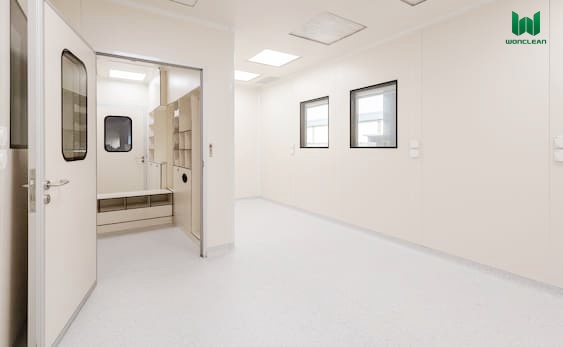
1.Floor Cleaning: Use materials such as polyurethane coatings, epoxy resin, synthetic leather, or terrazzo to minimize dust generation. Anti-static wax can be applied for polishing, and cleaning can be done using ultra-clean industrial vacuum cleaners or wash-and-dry machines.
2.Dust Prevention in Corners: Pay special attention to dust control in corners to prevent accumulation and contamination.
3.Wall Maintenance: Walls are often made of smooth materials like glass, color steel panels, plastic boards, aluminum panels, or stainless steel. Use high-adsorption lint-free cloths and purified water wipes for surface cleaning. Tools such as glass scrapers, telescopic rods, and clamps can assist in hard-to-reach areas, while ultra-filtration industrial vacuum cleaners handle uneven surfaces and internal corners.
Wonclean specializes in modular cleanrooms and laboratory turnkey solutions—from return air system design to full cleanroom construction. If you seek reliable, efficient, and professional cleanroom partnerships, Wonclean is your ideal choice. Contact us to achieve higher standards in purification engineering!

 Room JT30151, Building 4, Area B, No. 925 Yecheng Road, Industrial Zone, Shanghai,China
 Info@wonclean.com
Allen@wonclean.com
Joy@wonclean.com
Info@wonclean.com
Allen@wonclean.com
Joy@wonclean.com
 +86 13671979988(Allen)+86 15950938878(Joy)


 online service

