What are you looking for?
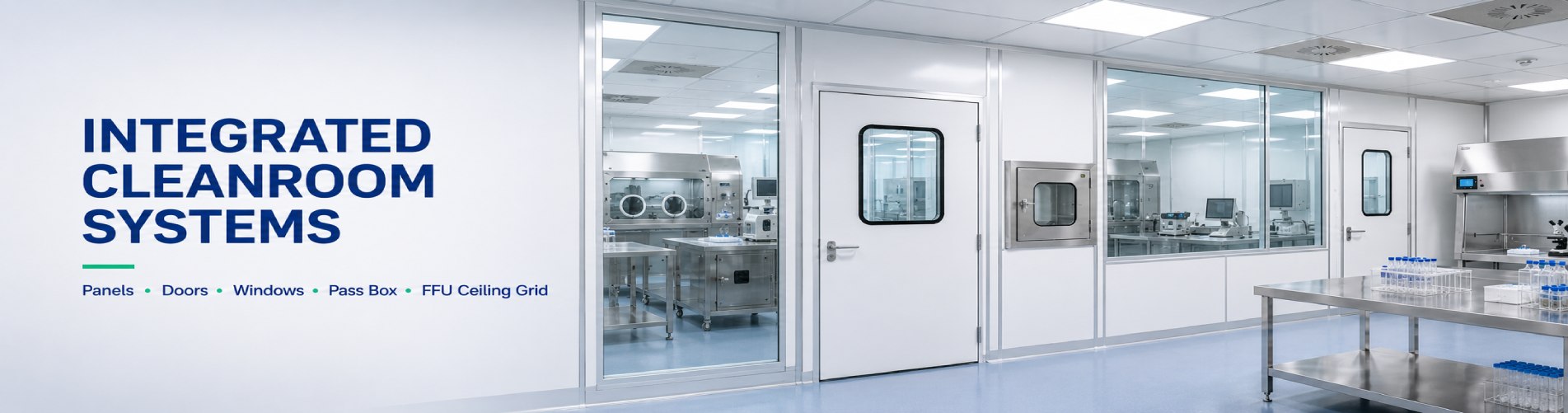
Maintaining proper cleanroom humidity is crucial for industries ranging from pharmaceuticals to electronics. Too much or too little moisture can compromise both product quality and regulatory compliance. But what methods are available to control humidity effectively, and how do cleanroom systems work to ensure consistent environmental conditions?
Cleanroom humidity directly impacts product integrity and manufacturing safety. Excess humidity can lead to condensation, fostering bacteria, mold growth, and even metal corrosion. In contrast, low humidity increases the risk of static electricity, potentially damaging sensitive electronics or lithium batteries. For medical and pharmaceutical facilities, the FDA mandates strict environmental control, including limits on particle counts, temperature, humidity, and microbial presence. Maintaining an optimal humidity range is therefore not just a matter of efficiency—it’s a regulatory requirement.
Several methods are used to maintain precise humidity levels in cleanrooms:
Cleanroom air conditioning naturally dehumidifies as it cools the air. Warm, moist air passes over chilled coils, causing moisture to condense and collect in condensate pans. Since cleanrooms generate heat continuously, dedicated AC units often run constantly, ensuring stable humidity control.
When humidity is too low, industrial steam humidifiers are employed to raise moisture levels. These devices convert water into steam, which is injected into the HVAC ducting. Electric or gas-powered humidifiers should use distilled or filtered water to prevent mineral buildup. This approach allows operators to maintain consistent humidity without compromising air purity.
For environments requiring tighter control, reheat systems are added to AC units. By raising air temperature before cooling, these systems remove additional moisture from the air, enabling more precise humidity adjustments. Paired with humidifiers, this method allows for both increases and decreases in cleanroom humidity as needed.
In cases where AC and reheat systems are insufficient, industrial dehumidifiers offer a solution. These systems often use rotating desiccant wheels that absorb moisture from incoming air. Hot air regenerates the desiccant, and the collected moisture is expelled outside. Commercial terms such as clean room dehumidifier and dehumidifier humidity control describe these specialized devices, which are essential for maintaining low-humidity environments in electronics or battery manufacturing.
Several operational variables influence humidity levels:
High worker traffic introduces moisture, which may require double airlocks or additional AC units to precondition incoming air. Understanding these factors helps facilities optimize humidity without over-relying on mechanical systems.
Effective cleanroom humidity management is vital across multiple high-tech and regulated industries. From natural dehumidification through air conditioning to industrial solutions like steam humidifiers and desiccant-based dehumidifiers, a combination of technologies ensures precise control. Utilizing clean room dehumidifier systems or implementing dehumidifier humidity control can help maintain strict environmental standards, protecting both products and compliance requirements. For companies like Wonclean, providing reliable humidity solutions is a cornerstone of safe and efficient cleanroom operations.

 Room JT30151, Building 4, Area B, No. 925 Yecheng Road, Industrial Zone, Shanghai,China
 Info@wonclean.com
Allen@wonclean.com
Joy@wonclean.com
Info@wonclean.com
Allen@wonclean.com
Joy@wonclean.com
 +86 13671979988(Allen)+86 15950938878(Joy)


 online service

