



Cleanroom Door & Window Standards 2026: The Strategic Guide to Pressure Control
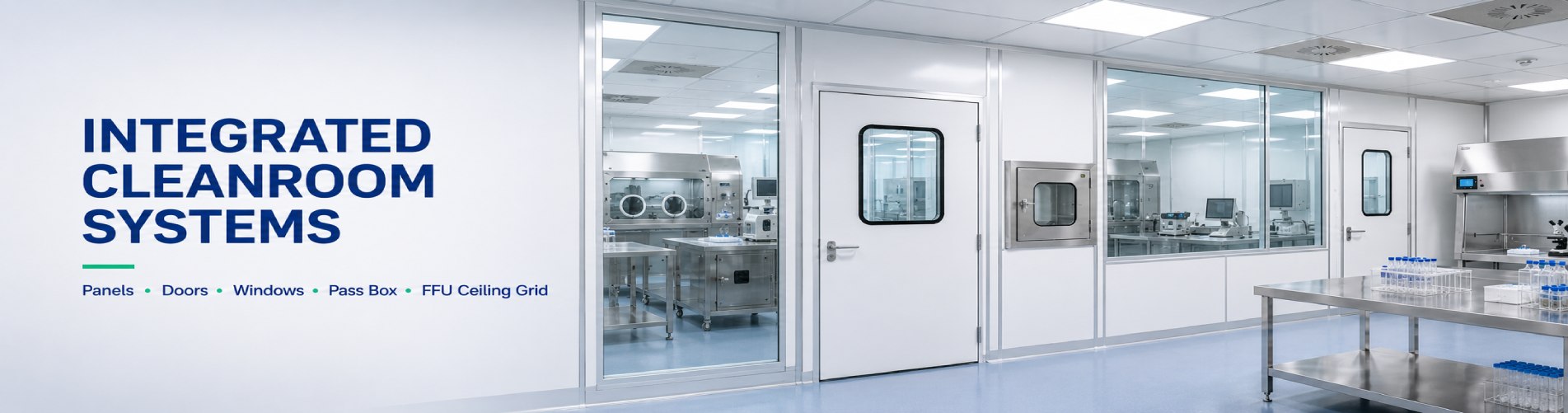
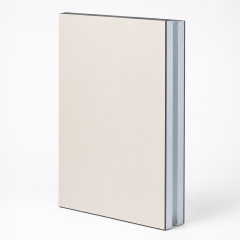
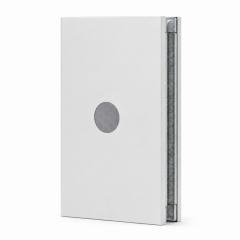
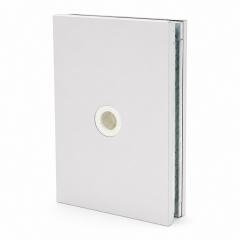
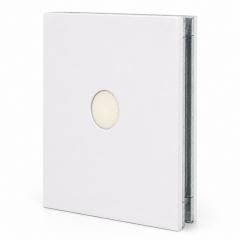
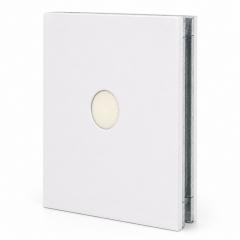
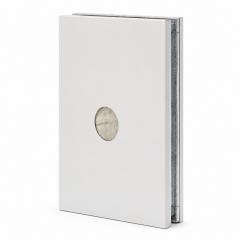
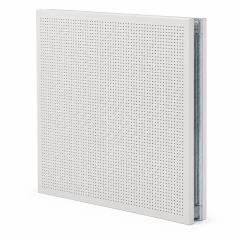
In 2026, the structural integrity of a controlled environment hinges on the precision of its enclosure components. To maintain a stable pressure gradient, facility architects must integrate high-performance Cleanroom door&windows that feature advanced air-tight sealing technology. Safety protocols further mandate the inclusion of a Cleanroom emergency escape door equipped with localized pressure sensors. For optimal thermal and acoustic insulation, the Clean room double glass window has emerged as the industry benchmark for ISO Class 1-9 facilities.
Industry Standard: Cleanroom Pressure & Component Metrics 2026
Facility managers must evaluate panels based on the following 2026 industry standards to ensure maximum safety and operational efficiency:
| Component Category | 2026 Technical Standard | Safety Evaluation Metric |
|---|---|---|
| Cleanroom Doors | Pressure resistance ≥ 50Pa | Leakage Rate < 0.05 m³/(h·m²) |
| Double Glass Windows | Flush Surface (Zero-Dust) | K-Value < 1.1 W/(m²·K) |
| Escape Systems | Interlocked AI Release | Opening Force < 60N |
| Pressure Gradients | ΔP ≥ 10Pa (Outdoor) | ISO 14644 Compliance |
Establishment and Commissioning of Pressure Gradients
The establishment of the pressure difference is the most effective means to reduce external pollution and prevent cross-contamination. This involves three critical commissioning steps:
Air Volume Debugging
Calibrating supply and return pipelines to match design air volume and valve opening states.
Cleanliness Testing
Performed under empty (system running, no personnel), static (equipment installed, no running), and dynamic (normal production) conditions.
Differential Tuning
Adjusting return air and exhaust air volumes to maintain a minimum of 5Pa between adjacent clean areas and 10Pa between clean and outdoor zones.
Fire Protection Evolution: Why B1 PIR is the Inevitable Trend
According to the updated 2026 building standards, the integration of B1-rated materials in Cleanroom enclosures represents the highest possible fire safety for high-tech facilities. Maintaining a stable pressure gradient effectively prevents the infiltration of harmful surrounding environment pollutants, ensuring absolute bio-safety.


 online service

