What are you looking for?
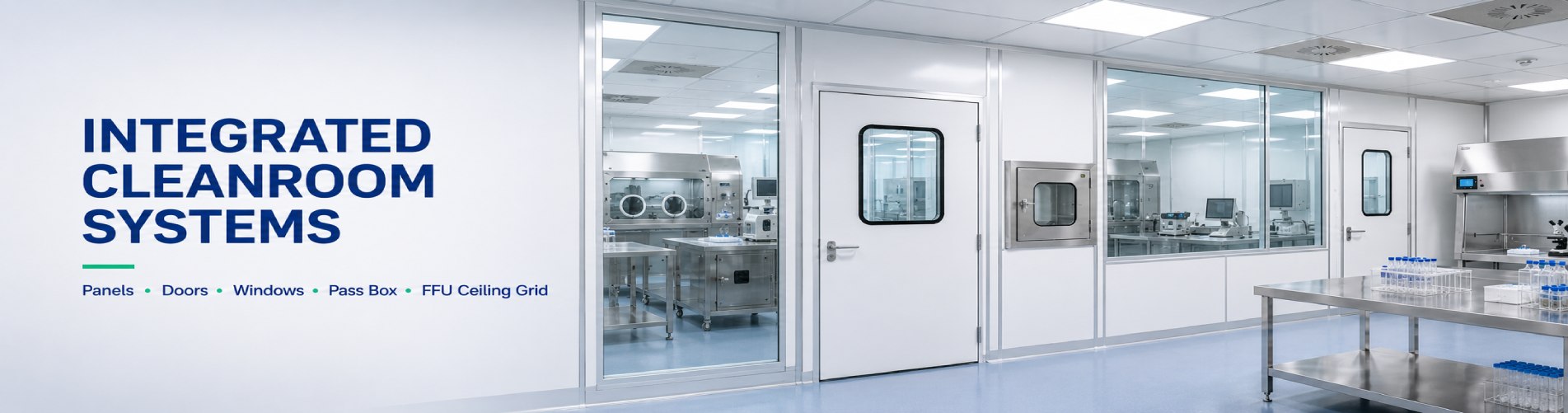
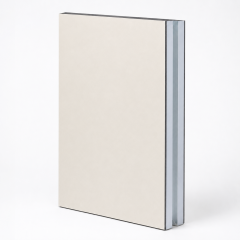
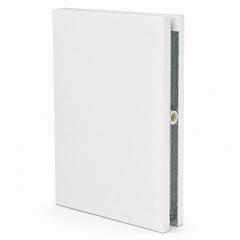
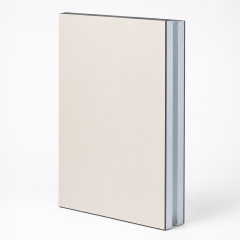
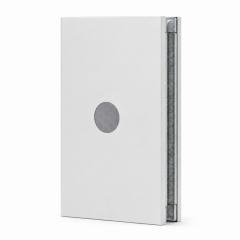
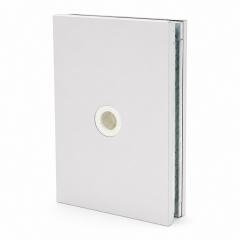
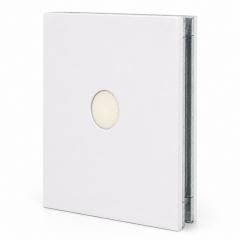
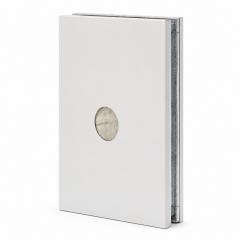
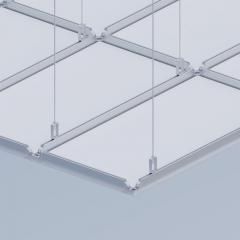
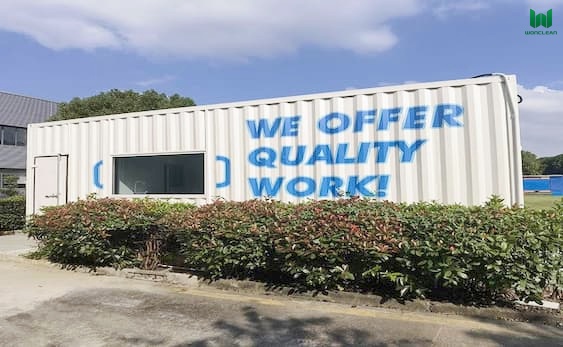
Beyond the Price Tag: Unveiling the Real Value of a WONCLEAN Class 1000 Cleanroom When evaluating a Class 1000 (ISO 6) cleanroom, the initial investment is just one line item. The true cost encompasses long-term operational stability, energy efficiency, and the flexibility to adapt to future needs. At WONCLEAN, we engineer modular cleanrooms that deliver exceptional value over their entire lifecycle. A quality build isn't an expense; it's a strategic investment in uninterrupted production and product integrity. Let's explore how our design philosophy translates into tangible cost advantages. Precision Engineering for Predictable & Lower Operational Costs The largest portion of a cleanroom's lifetime cost is its operation, primarily energy consumption. A poorly sealed room with inefficient airflow forces the HVAC system to work overtime to maintain the stringent ISO 6 standard (≤ 352,000 particles ≥0.5μm per m³). WONCLEAN's solution starts with superior materials. Our modular panels, available in durable color steel composite or anti-corrosive HPL boards, ensure exceptional airtightness. Combined with our optimized airflow design, this minimizes energy waste, keeping your power bills predictable and low. This precision engineering is the foundation of a stable and cost-effective operational environment. Modular Durability: Reducing Lifetime Costs Through Adaptability A cleanroom is a long-term asset. Choosing a flimsy structure can lead to frequent maintenance, contamination breaches, and costly downtime. WONCLEAN's Class 1000 cleanrooms are built to last. We use industrial-grade components—from galvanized steel frames and aluminum alloy FFU grids to robust cleanroom doors with hermetic seals. More importantly, our modular design is a key cost-saving feature. It allows for effortless future expansion, reconfiguration, or even relocation, protecting your initial investment from obsolescence. This adaptability eliminates the need for a complete rebuild as your process evolves, delivering unparalleled long-term value. Integrated, High-Performance Systems: The Turnkey Advantage Hidden costs often arise from integrating disparate subsystems. WONCLEAN provides fully integrated, turnkey solutions. Every component, from the FFU (Fan Filter Unit) with variable frequency drives for precise airflow control, to the lighting systems that seamlessly fit into the FFU grid, and our intelligent control system that monitors pressure and environment, is designed to work in perfect harmony. This ensures consistent, reliable performance that meets the rigorous Class 1000 standard without gaps or compatibility issues, saving you from future integration headaches and performance-related losses. Choosing WONCLEAN means investing in a Class 1000 cleanroom where superior engineering defines lasting value, minimizing your total cost of ownership. If you have procurement needs, welcome to contact us WONCLEAN. { "@context": "http://schema.org", "@type": "Article", "headli...
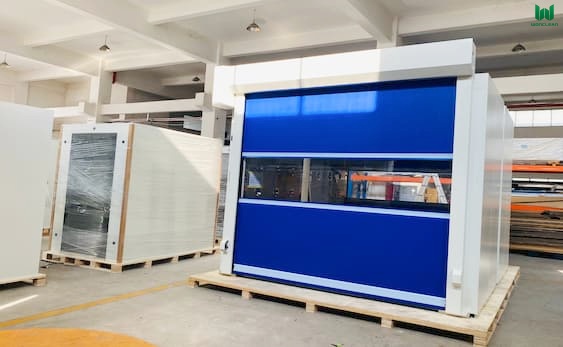
Cleanroom Air Shower Guide 2026: Achieve GMP compliance with high-velocity decontamination, ISO-certified HEPA filtration, and smart airlock technology for pharmaceutical and sterile environments. 2026 Industry Standard: Cleanroom Air Shower Evaluation & Selection Guide In 2026, the transition to Industry 4.0 has redefined the entry protocols for every cleanroom air shower, shifting from simple blowers to integrated decontamination hubs. To maintain a sterile pharma clean room environment, facility managers must synchronize these units with specialized pass box systems for material transfer and high-performance cleanroom equipment. Under the latest GMP 2026 updates, the focus is now on "Active Bio-Decontamination," where air showers act as the primary kinetic barrier against cross-contamination, ensuring ISO class stability during high-frequency personnel shifts. Technical Specifications: Why Velocity and Material Logic Drive Compliance The 2026 selection criteria prioritize kinetic impact and microbial resistance. By utilizing high-static pressure fans, Wonclean systems break the boundary layer of micro-particles on garments, ensuring that no contaminants enter the sterile zone. Technical Parameters 2026 Industry Standard Performance Benefits Air Velocity 22 - 26 m/s High-speed "Air Knife" ensures kinetic removal of particulates Filtration Grade HEPA H14 (99.995%) Eliminates 99.995% of micro-contaminants at 0.3μm Surface Material SUS316L / SUS304 Full resistance to VHP sterilization & chemical corrosion System Logic Smart AI-Interlock Guarantees airtight security through synchronized door control Advanced Smart Interlocking and Modular Integration A modern cleanroom environment focuses on "Operational Continuity." In 2026, air shower systems utilize microprocessor control panels with true-color LCD displays for real-time monitoring. These units provide a perfectly flush integration with existing sandwich panel walls, minimizing turbulence and ensuring that airlocks function as a seamless barrier between different ISO-rated zones. Expert FAQ: Selection & Long-term Performance Why choose high-velocity air showers over standard ventilation? Air showers provide 300% higher removal of surface contaminants compared to standard airflows, significantly reducing the burden on cleanroom HEPA filters and extending the lifecycle of the entire filtration system. Is the air shower system truly "GMP-Ready"? Yes. Built with SUS304/316L stainless steel and H14 filters, these units are designed to withstand VHP sterilization protocols in pharmaceutical zones. How does air shower efficiency impact Total Cost of Ownership (TCO)? While initial investment exists, the reduction in gowning replacements and the prevention of batch contamination means that long-term operational expenses are reduced by approximately 35% over a 10-year period. .article-content, #top-preview-text { font-family: 'Segoe UI', Roboto, -apple-system, sans-serif; line-height: 1.7; col...
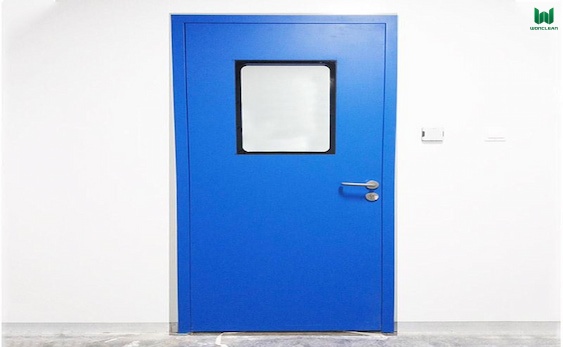
Precision Built: Inside Our Certified Cleanroom Steel Door Production In critical environments like modular labs and cleanrooms, every component must be engineered for absolute reliability. Our steel doors are not just products; they are the result of a rigorous, documented manufacturing process designed to deliver performance that standard doors cannot match. Let's explore the precision journey that ensures your door is a perfect fit for your most demanding applications. More Than an Opening: The Demands of a True Cleanroom Door A standard commercial or industrial door lacks the specific engineering required for a controlled environment. A true cleanroom door must be a precision barrier system, designed to: • Maintain Perfect Seals: Prevent air leakage to uphold critical positive or negative pressure differentials, a function most traditional doors fail over time. • Withstand Rigorous Decontamination: Feature a seamless, non-porous, and non-shedding surface that can endure harsh cleaning agents and repeated sterilization cycles. • Guarantee Long-Term Structural Integrity: Resist warping, sagging, and wear from constant use and pressure changes, ensuring years of trouble-free operation. • Be Traceably Manufactured: Be produced under a controlled, certified process to ensure consistent, verifiable quality—a stark contrast to the variable assembly of traditional doors. Our Process: Where Quality is Built-In, Step by Step Our commitment to quality is embedded in our certified production flow. Each of our steel doors undergoes a meticulous, multi-stage journey: • Material Inspection & Preparation: Stringent checks on raw materials ensure a perfect foundation. • Precision Fabrication: Advanced cutting, machining, and welding techniques create a perfectly square and rigid door frame. • Surface Engineering: A controlled process of cleaning, pretreatment, and the application of specialized, high-grade coatings provides durability and a flawlessly cleanable finish. • Sealed Assembly & Integration: Critical sealing gaskets and hardware are fitted with precision in controlled conditions to ensure perfect performance. • Rigorous Final QC: Each door is subject to final dimensional, visual, and functional inspections before approved packaging and release. This disciplined, traceable process is what guarantees the flatness, seal integrity, and long-term reliability that defines our door. Tangible Benefits: The Value of a Certified Manufacturing Process Choosing a door from a manufacturer with a documented process translates into direct advantages for your project: • Uncompromised Performance Consistency: You receive a door that performs identically to the specifications, ensuring your cleanroom's environmental integrity is never compromised. • Simplified Compliance & Validation: The documented production provides a clear audit trail, simplifying your own quality assurance and regulatory documentation. • Reduced Total Cost of Ownership: Superior mate...
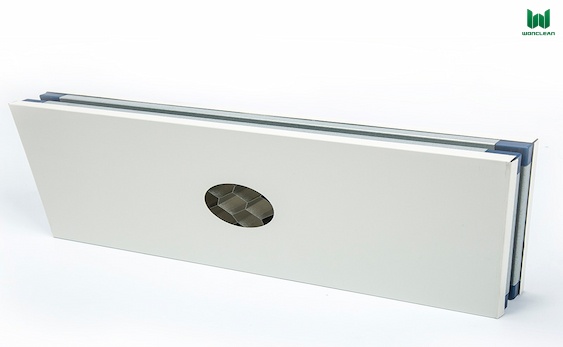
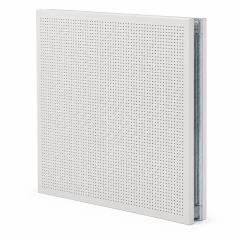
Aluminum Honeycomb Panels: The Engineered Choice for Modern Labs & Cleanrooms When it comes to choosing the right material for your modular lab or cleanroom walls and doors, it's not just about filling space—it's about building performance. At WONCLEAN, we understand that the core of your controlled environment defines its reliability. That's why we engineer our products, like our premium Aluminum Honeycomb Panels, to meet the highest standards of hygiene, durability, and efficiency. Let's explore why this advanced material is a superior choice and how WONCLEAN's expertise ensures you get the best performance. Unmatched Strength and Stability A cleanroom cannot afford weaknesses. Traditional solid-core or foam-filled panels can be heavy and prone to warping or damage over time. The aluminum honeycomb panel's core strength lies in its unique structure: a hexagonal aluminum honeycomb core is permanently bonded between two high-strength aluminum sheets. This design creates an exceptional strength-to-weight ratio. Our panels are remarkably rigid and flat, resisting sagging or deformation that could compromise critical environmental seals. This inherent stability is crucial for maintaining the integrity of pressure differentials and ensuring long-term, trouble-free operation in your facility. Superior Hygiene and Cleanability In environments where contamination control is paramount, surface quality is non-negotiable. The surface of our Aluminum Honeycomb Panels is a seamless, monolithic sheet of aluminum. This creates a non-porous, easy-to-clean surface that won't harbor microbes, shed particles, or degrade under repeated cleaning with harsh disinfectants. Unlike some traditional materials with joints or coatings that can wear, our panels provide a consistently hygienic barrier that actively supports your strictest cleanliness protocols, making them ideal for pharmaceutical, biotech, and microelectronics applications. Lightweight Efficiency and Corrosion Resistance Every detail impacts operational efficiency. The lightweight nature of our honeycomb panels makes installation easier and reduces structural load. More importantly, all-aluminum construction offers excellent corrosion resistance, standing up to moisture and various chemical exposures common in labs. This combination means our panels contribute to a more sustainable operation through potential energy savings (due to less load on support structures) and offer a significantly longer service life with minimal maintenance compared to many alternative materials. Choosing the right panel material is a foundational decision for any high-performance environment. WONCLEAN's Aluminum Honeycomb Panels represent the intersection of advanced engineering and practical performance, delivering the flatness, cleanliness, and durability that modern science and industry demand. We don't just supply materials; we provide reliable solutions built on nearly two decades of specialization in modular environment...
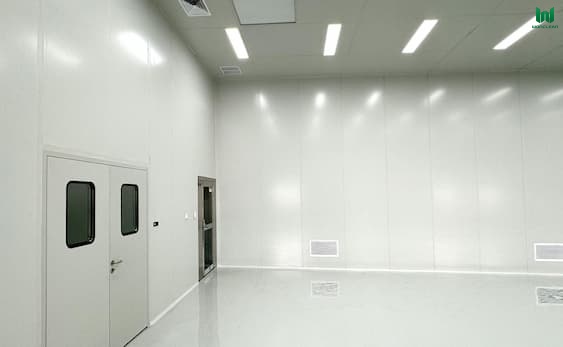
The Core of Clean: WONCLEAN Modular Cleanroom Wall Panels Every high-performance panel clean room begins with its walls. WONCLEAN sets the benchmark as a leading manufacturer. Our modular cleanroom walls are engineered to be the bedrock of purity, durability, and long-term value, ensuring your investment is built on unwavering quality. Performance Engineered Superior walls are defined by core integrity. WONCLEAN’s comprehensive portfolio, including Sandwich and HPL Panels, is engineered for structural stability, moisture resistance, and easy cleaning. As dedicated clean room panel manufacturers, we control quality from start to finish, ensuring every panel clean room consistently maintains its ISO class. Seamless Integration Integrity depends on the weakest seam. Our modular cleanroom walls feature advanced joining for flawless, airtight integration. This eliminates contamination traps and is critical for meeting standards like EU GMP. Combined with our complementary ceiling and door systems, it creates a perfectly sealed, high-performance environment. Future-Proof Value Our premium walls are an investment in agility. Designed for easy reconfiguration, expansion, or relocation, they allow your facility to adapt without costly rebuilds. Their durability and excellent thermal properties lower lifecycle costs. We build for the future, protecting your capital and providing flexibility. Build on a foundation of proven quality and innovation. If you are procuring cleanroom materials or solutions, welcome to contact WONCLEAN. { "@context": "http://schema.org", "@type": "Article", "headline": "The Core Of Clean: WONCLEAN Modular Cleanroom Wall Panels", "author": { "@type": "Person", "url": "https://www.wonclean.com/", "name": "Wonclean" }, "image": "https://www.wonclean.com/uploadfile/news/48afc9a478101ed95ff72b959ef1b95c.jpg", "articleBody": "cleanroom services;modular dry room;clean room panel manufacturers" }
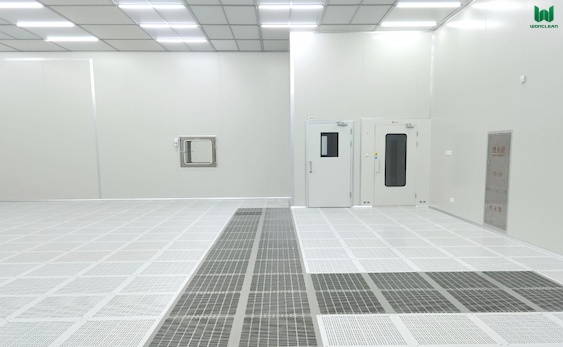
Mastering USP 800 Compliance with Precision-Engineered Modular Cleanrooms The enforcement of USP 800 guidelines sets a new, non-negotiable benchmark for safety in healthcare facilities handling hazardous drugs. For pharmacies, hospitals, and compounding centers, meeting stringent requirements on containment, airflow, and decontamination is now a critical imperative. WONCLEAN’s cleanroom services empower you to master this standard with confidence. Our high-quality prefab cleanroom solutions are engineered from the ground up to deliver guaranteed compliance, integrating superior modular cleanroom wall panel systems. We transform complex regulations into a reliable, high-quality physical environment, ensuring personnel safety, product integrity, and the protection of your facility’s reputation. Engineered for Guaranteed Compliance True compliance is engineered in, not added on. Unlike retrofitted spaces that struggle to meet every requirement, every WONCLEAN prefab cleanroom is a purpose-built system. Our modular cleanroom wall panel systems form a seamless, coved, and non-porous envelope that is inherently resistant to contamination and easy to clean, providing robust primary and secondary containment. Coupled with precision-integrated ventilation systems that maintain validated negative pressure cascades, our solutions ensure the stringent airflow control mandated by USP 800. This factory-integrated quality in every component means compliance is built-in, providing a consistently safe and controlled environment from day one. Services Beyond the Build Choosing WONCLEAN is the start of a partnership dedicated to your long-term compliance success. Our cleanroom services encompass seamless deployment, comprehensive certification support, and clear operational protocols. We provide essential qualification documentation, including IQ/OQ, to validate that your prefab cleanroom meets all regulatory benchmarks. Our commitment extends beyond installation, offering guidance on monitoring, cleaning, and maintenance to ensure the sustained performance of the entire system, including the durable modular cleanroom wall panel infrastructure. As a manufacturer, we stand behind the quality of every solution, ensuring your investment delivers lasting protection and turns compliance into a sustainable operational advantage. A Future-Proof Foundation for Safety Our engineered prefab cleanroom solutions, centered on superior modular cleanroom wall panel technology and supported by end-to-end cleanroom services, provide a future-proof foundation for safety and compliance. We don’t just deliver a product; we deliver certainty—the certainty that your facility is actively protecting your team and your community according to the highest standards. In a landscape defined by rigorous guidelines, let WONCLEAN be your trusted partner in building confidence. Build with confidence, comply with certainty. If you are procuring cleanroom materials or solutions, welcome to contact W...

 Room JT30151, Building 4, Area B, No. 925 Yecheng Road, Industrial Zone, Shanghai,China
 Info@wonclean.com
Allen@wonclean.com
Joy@wonclean.com
Info@wonclean.com
Allen@wonclean.com
Joy@wonclean.com
 +86 13671979988(Allen)+86 15950938878(Joy)


 online service

