What are you looking for?
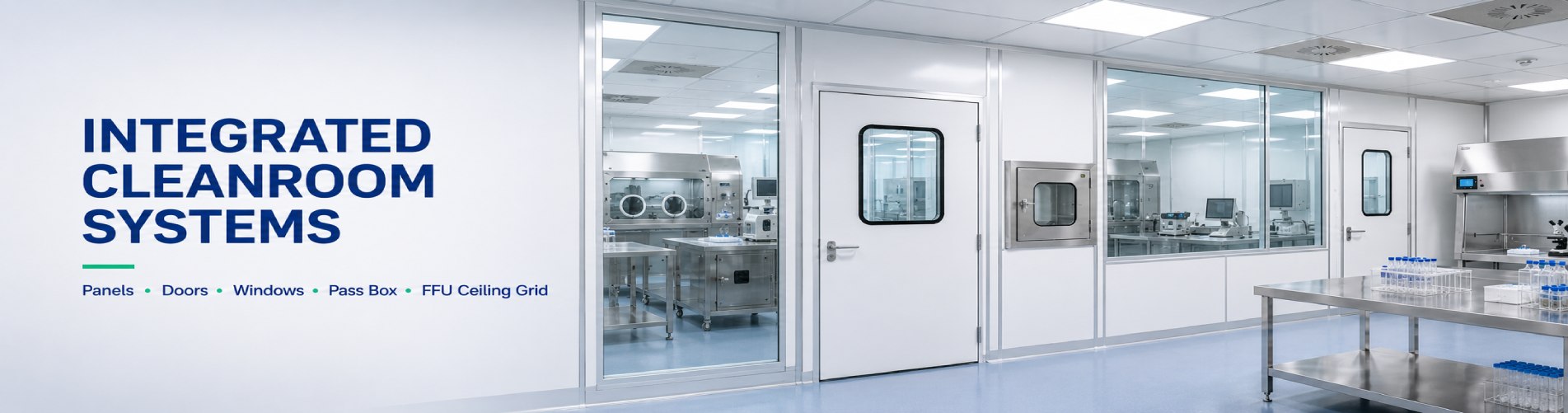
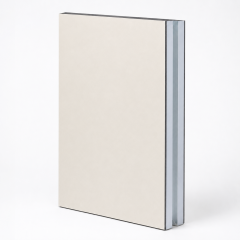

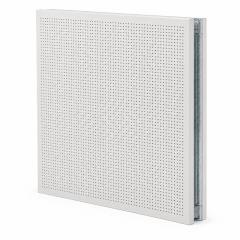
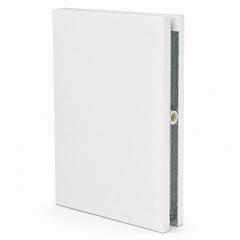
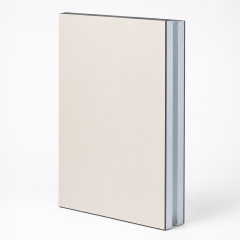
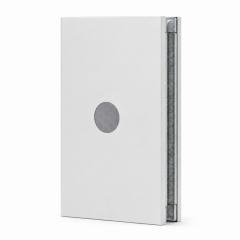
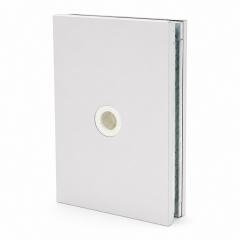
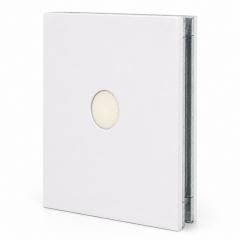
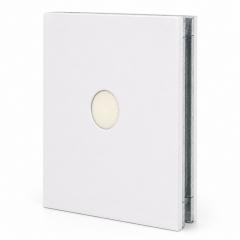
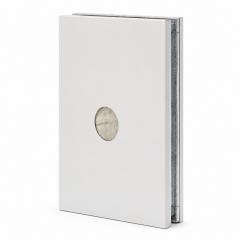
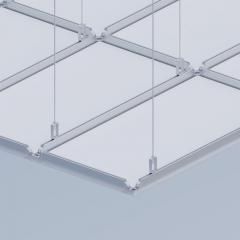
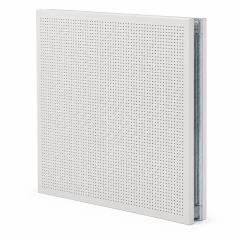
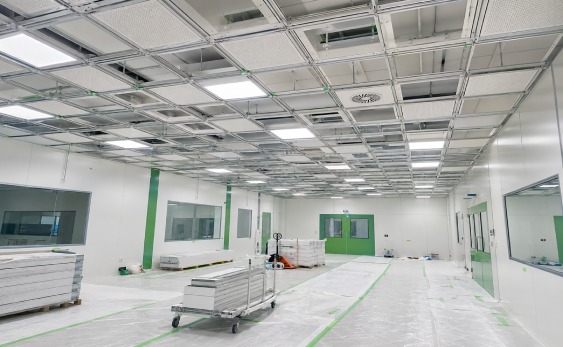
How can modular cleanroom infrastructure reduce ISO/GMP project delays? This technical news article explains how Wonclean integrates cleanroom sandwish panel, cleanroom ceiling grid, and container laboratory systems for faster, cleaner, and relocatable project delivery. Modular Cleanroom Infrastructure: Cleanroom Sandwish Panel, Cleanroom Ceiling Grid, and Container Laboratory Systems for Faster ISO/GMP Delivery For the Southeast Asia Modular Cleanroom Upgrade Project, the fastest path to ISO Class 7 / ISO Class 8 and GMP Grade C/D readiness is not only selecting one product, but coordinating the full envelope system. Wonclean supports this approach by combining a high-stability cleanroom sandwish panel layout with a load-bearing cleanroom ceiling grid for FFU integration, while a prefabricated container laboratory option helps buyers reduce local construction delays, control installation dust, and improve long-distance transport stability. Why Are ISO/GMP Projects Moving Toward Modular Cleanroom Infrastructure? ISO/GMP cleanroom projects are moving toward modular infrastructure because project owners need shorter installation windows, cleaner on-site assembly, and more predictable validation preparation. For pharmaceutical, medical device, food, biotechnology, and semiconductor facilities, traditional wet construction often increases dust, labor dependency, and commissioning uncertainty. Modular cleanroom construction shifts more work into factory prefabrication, allowing wall panels, ceiling systems, doors, windows, air showers, pass boxes, HVAC interfaces, and electrical routes to be prepared before site delivery. The technical foundation remains air cleanliness, pressure control, and contamination prevention. The official ISO 14644 cleanroom classification framework classifies air cleanliness by particle concentration, while GMP expectations for sterile and controlled manufacturing place strong emphasis on contamination control, personnel movement, material transfer, and cleanable surfaces. In practical engineering terms, this means the cleanroom envelope must support stable airflow, controlled differential pressure, and smooth internal finishes that can withstand repeated cleaning. How Does a Cleanroom Sandwish Panel Control Leakage, Fire Risk, and Site Dust? A cleanroom sandwish panel controls leakage and site dust by creating a prefabricated, flush, and easy-to-clean wall envelope that limits uncontrolled gaps during installation. In ISO Class 7 and ISO Class 8 cleanrooms, the wall system must help maintain room pressure, reduce particle traps, and resist frequent cleaning cycles. Wonclean panel systems can be configured with rock wool, magnesium oxide, aluminum honeycomb, or polyurethane cores according to fire resistance, flatness, insulation, and project cost requirements. For GMP Grade C/D areas, the key panel decision is the relationship between the core material, joint treatment, door frame connection, window interface, and ceiling t...
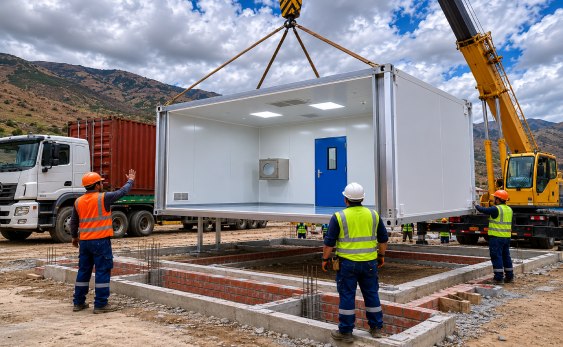
How Did the VAKIMU Peru Project Achieve ISO 8 Using Advanced Modular Cleanroom Technology? Factory-built ISO 8 modular cleanroom delivered directly to Peru. Plug-and-play deployment reduced traditional construction timelines. Reinforced transport structure maintained airtight stability during overseas shipping. When evaluating the operational validation timeline for the VAKIMU project in Peru, long construction cycles and difficult international logistics became the primary engineering challenges. To solve these issues, Wonclean engineered a fully integrated modular cleanroom infrastructure. The core structural framework utilizes premium cleanroom sandwich panel technology capable of resisting severe mechanical vibration during overseas transport while maintaining a continuous airtight seal. In addition, all critical cleanroom equipment systems were factory pre-installed before shipment, allowing the Peru project site to transition from empty land into a validated ISO 8 pharmaceutical environment within only a few days. Why Was the Modular Deployment Model More Efficient for Peru? Traditional on-site cleanroom construction in South America often faces delays caused by labor coordination, material shortages, and environmental instability. The VAKIMU project adopted a prefabricated engineering strategy where the entire sterile enclosure, HVAC integration, and internal airflow systems were completed inside the Wonclean manufacturing facility before export. This approach minimized installation uncertainty while dramatically improving deployment speed and cleanliness stability. During international transportation, the modular enclosure maintained structural integrity through reinforced anti-vibration locking systems and rigid magnesium wall assemblies. Unlike traditional drywall systems, the prefabricated structure prevented micro-cracking, air leakage, and particulate contamination risks commonly associated with long-distance freight movement. Which Engineering Features Maintained Stable ISO 8 Performance? The facility integrates EC motor-driven HVAC systems, terminal HEPA filtration, and controlled positive pressure airflow management. The system continuously stabilizes clean airflow while maintaining pressure differentials between 15 Pa and 30 Pa. Every internal surface was designed with flush cleanroom geometry to reduce particle accumulation and simplify sanitation procedures required by pharmaceutical-grade environments. VAKIMU Modular Cleanroom Technical Comparison Engineering Metric VAKIMU Modular Solution Traditional Construction Performance Advantage Wall Structure Magnesium airtight sandwich panel Gypsum drywall framing Higher vibration resistance Installation Cycle Factory plug-and-play deployment Multi-month site construction Faster operational validation Airflow Stability Stable 15–30 Pa positive pressure Unstable airflow fluctuation Reduced contamination risk Overseas Transport Reinforced anti-seismic structure Difficult to transport sa...
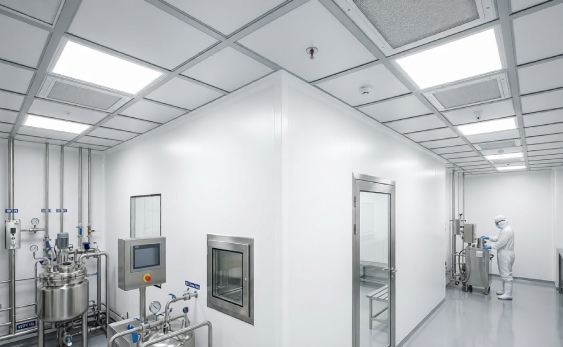
What are the core 2026 ISO 14644-1 updates and GMP requirements for next-generation sterile facilities? Review the complete cleanroom structural and operational guide. What Are the 2026 GMP and ISO Cleanroom Standards? A Complete Business Guide to Advanced Sterile Partitions and Airflow Systems As global micro-contamination regulations tighten in 2026, building a compliant manufacturing facility requires a deep understanding of updated ISO and GMP metrics. Achieving strict environmental control starts at the personnel entrance, where an advanced air shower removes surface particulates before operators enter the sterile zone. Inside the critical area, maintaining a constant positive pressure demands an airtight envelope, typically achieved by suspending a high-load aluminium ceiling grid securely anchored by a heavy-duty aluminum profile framework. To prevent cross-contamination between different biological grades, facility engineers must install a rigid flush-surface cleanroom partition layout. Finally, executing a project with zero validation failures means partnering with an experienced source cleanroom supplier capable of delivering customized, pre-certified structural components that meet severe 2026 energy and sterility requirements. Why Do 2026 GMP Annex 1 Guidelines Require Hardwall Cleanroom Partitions Over Softwall Solutions? The latest commercial biotech and pharmaceutical audits focus heavily on facility sanitization cycles. Softwall PVC curtains fail to withstand the frequent application of Vaporized Hydrogen Peroxide (VHP) and high-concentration sporicidal agents. Rigid sandwich panel systems feature smooth, non-porous steel or melamine resin surfaces that eliminate micro-crevices where bacteria typically hide. Furthermore, hard structural barriers are the only proven method to maintain the strict 10 to 15 Pascals differential pressure cascading steps required between adjacent clean zones, ensuring that airborne contaminants never flow backward into critical aseptic processing lines. Which Structural Specifications Control Airflow Leaks in Modern Aluminium Ceiling Systems? Ceiling integrity dictates the entire aerodynamic efficiency of a sterile environment. Traditional overlapping ceiling boards are being rapidly phased out in favor of modular heavy-duty grid frameworks. These advanced systems utilize dry gasket or liquid gel-seal channels that lock primary fan filter units and blank panels perfectly in place. By utilizing a continuous, structural joint configuration, plant managers prevent microscopic air bypass leaks in the plenum above. This creates a true laminar downward flow at velocities between 0.36 and 0.54 meters per second, sweeping particles away from sensitive product exposure areas. What Are the Optimal Cleanroom Environmental Parameters for Semiconductor and Biotech Hubs? Evaluating the performance of your controlled environment requires tracking four primary metrics. Air changes per hour (ACH) dictate how quickly a r...
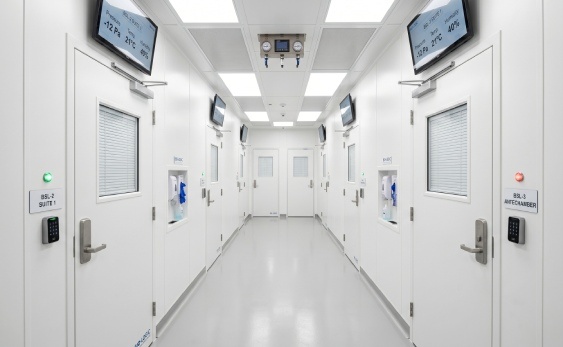
How do modern prefabricated mobile containment configurations achieve strict ISO 14644-1 certification under demanding field conditions? Review the turn-key engineered case study. Case Study: Container Laboratory in America What dictates the operational validation velocity of a prefabricated mobile containment environment deployed across high-purity North American biotech hubs? In this newly completed United States milestone, optimizing the baseline cleanroom sandwich panel framework required merging intermodal structural strength with factory-calibrated interior finishes. Reviewing our latest premium project case profile demonstrates that eliminating field framing gaps is the only way to safeguard continuous air barrier parameters. Sourcing a fully synchronized cleanroom partition system enclosure creates an unyielding interior shell capable of resisting continuous over-the-road transport shocks. Every assembled lot from Wonclean carries a certified international quality certificate portfolio, ensuring the complete turn-key infrastructure passes rigorous regional GMP regulatory inspections immediately upon arrival at the project site. Why Do High-Purity HVAC Systems Dictate the Choice of Hardwall vs Softwall Cleanrooms for Mobile Blocks? The absolute engineering core of this 20ft mobile laboratory case study is its high-capacity heating, ventilation, and air conditioning (HVAC) system layout. When designing a compact intermodal facility, evaluating the aerodynamic stability of hardwall vs softwall cleanrooms profiles is crucial. Flexible plastic strip curtains fail to hold the strict differential air pressure metrics necessary for biosafety containment. To resolve this, this project utilized premium double-glass magnesium wall layers locked into solid anodized aluminum tracks. This rigid hardwall partition setup permits a top-mounted Air Handling Unit (AHU) to continuously cycle air through G4 pre-filters and terminal HEPA blocks, keeping internal room positive pressure parameters perfectly stable between 0 and 60 Pascals without any envelope deflection leakage. How Do Micro-Adjustable Motor Fan Blowers Keep Room Cleanliness Indicators Secure? Maintaining a pristine indoor environment under changing field conditions requires active mechanical airflow compensation. The integrated cleanroom HVAC design utilizes smart electronically commutated motor blowers to balance internal air velocity vectors. This active ventilation array moves clean, laminar airflow downward into the working zone, driving out suspended airborne particulates through low-level wall return vents and keeping room status indicators securely between 0 and 35,000 counts per cubic meter. Engineering Specification Element Wonclean Mobile Container System Traditional On-Site Traditional Civil Build Wall Envelope Foundation Anti-Seismic Rigid Partition Wall Enclosures Standard Stud Framing with Drywall Tape Air Handling System Integration Compact External AHU with EC Motor Blowers Remo...
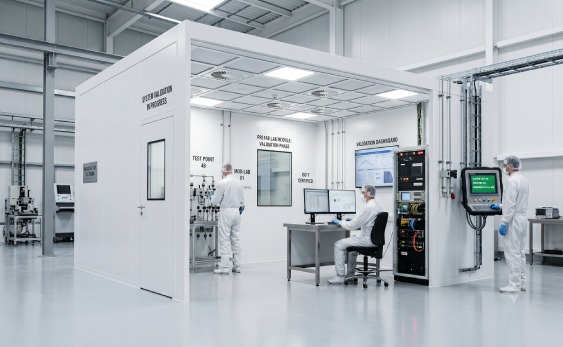
How do updated 2026 high-tech engineering milestones and prefabricated turn-key execution alter delivery timelines for sterile research facilities? Review the global industrial supply deployment report. Prefabricated Modular Laboratory Infrastructure Shipments Surge: The 2026 Global Engineering and Regulatory Compliance Milestone What defines the deployment speed of a certified prefabricated modular laboratory infrastructure under newly updated 2026 international biotech constraints? As global manufacturing requirements pivot toward rapid execution, traditional field welding and messy component modifications are becoming obsolete legacy constraints. Advanced project management dictates sourcing factory-calibrated frameworks where every interlocking heavy-duty cleanroom ceiling grid is pre-cut and pre-aligned under strict indoor climatic controls. Upgrading your architectural layout to utilize premium structural HPL sandwich panel envelopes eliminates standard field framing gaps, ensuring total pressure retention across complex containment wings. Integrating this fully synchronized cleanroom partition system creates an unyielding structural envelope that passes rigorous regional GMP acceptance validations on the very first try. How Do Pre-Engineered Structural Infrastructure Systems Resolve Local Site Labor Shortages This Quarter? The current quarterly industrial supply data confirms a massive shift toward off-site pre-assembly methods. Shifting 85% of structural assembly tasks away from traditional field environments directly into controlled manufacturing plants addresses growing global skilled framing workforce deficits. Every prefabricated modular laboratory infrastructure leaves the staging deck as a complete structural unit with integrated engineering paths, ready to lock directly into floor track alignments without requiring extensive on-site custom structural work. Why Does Factory Trial Operation Guarantee Perfect Post-Shipping Pressure Retention? Traditional cleanroom construction risks hidden structural leakages due to inconsistent manual sealing tape application at the job site. Factory-engineered module fabrication protocols solve this quality issue completely by executing full Factory Acceptance Testing (FAT) before deep-sea logistics container loading. Technicians assemble the structural partition frame, seal all joints with specialized gaskets, and pressure-test the envelope to verify differential wind pressure metrics remain between 0 and 60 Pascals, ensuring perfect air barrier performance after shipping. Project Phase Milestone Wonclean Modular Prefabrication Traditional On-Site Framing Total Execution Risk Reduction Structural Skeleton Assembly Completed in Factory (3 Days) Manual Field Welding (14 Days) Eliminates site weather delays Ceiling Grid Integration Pre-Aligned Interlocking Tracks Manual Shimming & Hanging Prevents ceiling sagging errors Validation Staging Time Immediate (FAT Certified) Post-Construction Debugging ...
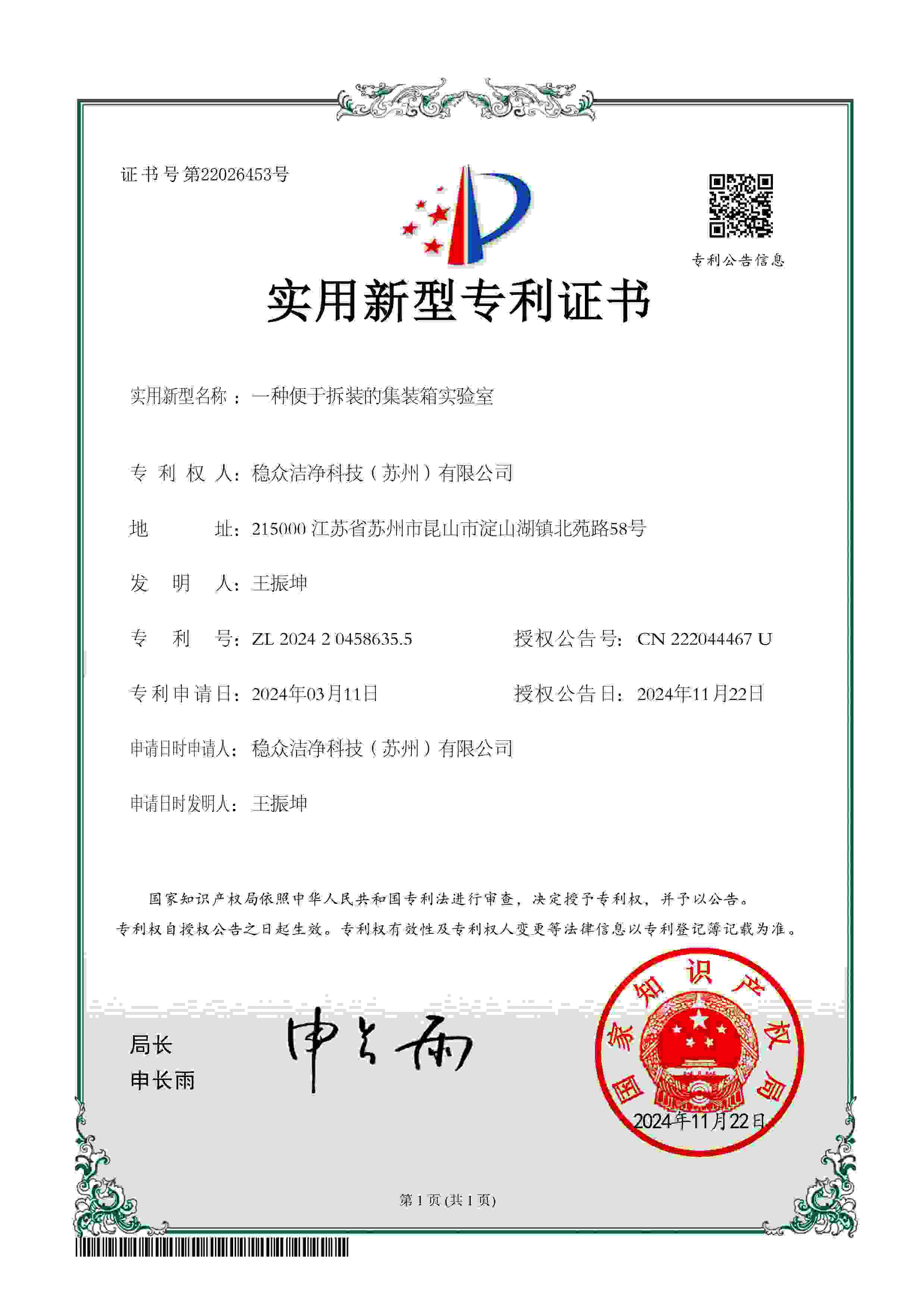
How do the 2026 Utility Model Patent innovations redefine the intersection of structural integrity and rapid-deployment modularity? Discover the future of certified sterile environments. Utility Model Patent Certificate: Driving 2026 Innovations in Modular Cleanroom Structural Engineering What defines the gold standard for structural safety in 2026 sterile environments? As a premier cleanroom manufacturer with two decades of expertise, we prioritize engineering breakthroughs as the foundation of facility longevity. Wonclean Technology Co., Ltd. has successfully obtained the Utility Model Patent Certificate, a recognition of our factory's practical innovations in cleanroom wall panels and high-load cleanroom FFU ceiling grid systems. This certificate ensures our modular components meet the latest ISO 14644-1:2026 requirements, offering unparalleled reliability for global high-tech facilities. 01. How does our patented multi-angle switching hinge ensure 100% airtightness? In 2026, air-tightness is a precision metric. Our patented multi-angle switching hinge is designed to solve the common issue of door misalignment in high-pressure environments. By allowing for micro-adjustments during installation, it ensures a perfect seal between the cleanroom wall panels and the door frame, maintaining the constant positive pressure required by GMP standards. Image Naming: multi-angle-switching-cleanroom-hinge.jpg 02. Why is prefabricated modular laboratory infrastructure the key to 2026 CAPEX efficiency? The shift toward rapid construction requires prefabricated modular laboratory infrastructure. This patented system utilizes a quick-connect frame where the cleanroom FFU ceiling grid locks directly into the wall panels. This innovation eliminates 90% of on-site cutting and welding, reducing labor costs and ensuring that the factory-verified structural integrity is preserved from shipping to final onsite activation. Image Naming: prefabricated-modular-laboratory-infrastructure.jpg 03. Which features make our containerized cleanroom lab the standard for international projects? For projects in Mexico, Vietnam, and beyond, our containerized cleanroom lab offers a "Plug-and-Play" solution. This patented rapid-assembly system integrates HVAC, filtration, and monitoring into a standard shipping footprint. It is the ideal choice for biopharma companies requiring immediate ISO 5 sterile capacity without the delays of traditional onsite construction. Image Naming: containerized-cleanroom-lab-rapid-assembly.jpg 04. How to reduce global logistics costs with patented foldable cleanroom lab technology? The most significant innovation in our 2026 portfolio is the patented foldable cleanroom lab. By allowing the primary structural envelope of the laboratory to fold into a compact form, we reduce logistics volume by 60%. This mobile solution is essential for emergency response and space-constrained sites, ensuring that the highest sterility standards are portable and ready for...

 Room JT30151, Building 4, Area B, No. 925 Yecheng Road, Industrial Zone, Shanghai,China
 Info@wonclean.com
Allen@wonclean.com
Joy@wonclean.com
Info@wonclean.com
Allen@wonclean.com
Joy@wonclean.com
 +86 13671979988(Allen)+86 15950938878(Joy)


 online service

