What are you looking for?
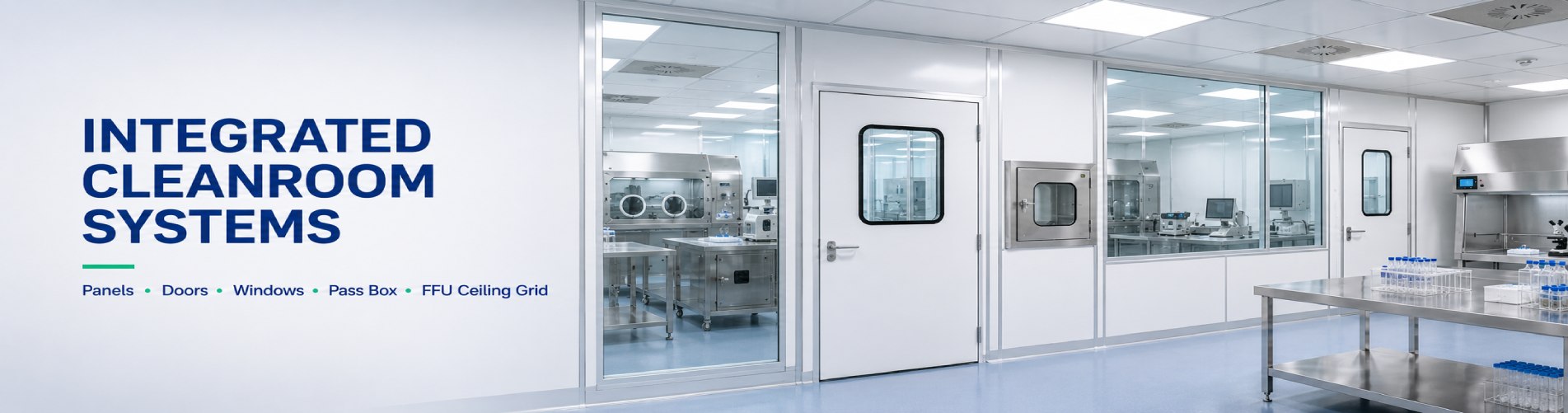







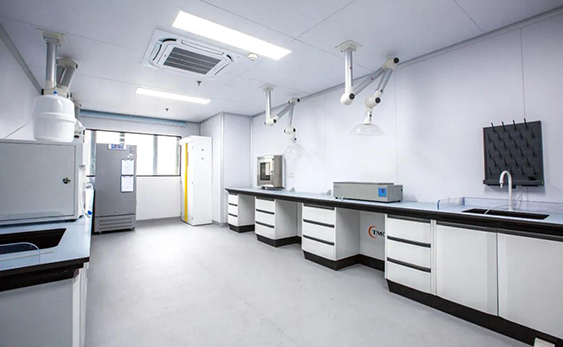
Laboratory furniture is a special kind of furniture, because it is often in contact with water, electricity, gas, chemical substances and materials, and instruments and equipment during use. The characteristics of the times are more important to meet the requirements of laboratory scientific research on the functionality, robustness, corrosion resistance, and flexibility of installation and layout of the experimental environment. Therefore, laboratory furniture has higher requirements in terms of structure and materials. I. Material requirements (1) Countertop As the core component of laboratory furniture, the countertop is one of the most important parts of laboratory furniture. The countertop is particularly important for the laboratory bench of the chemical laboratory. Due to the different use environment, the countertop of the laboratory furniture should meet the special requirements of different laboratories. For example, the experimental benches of chemical laboratories need to be resistant to acid and alkali corrosion, the experimental benches of biological laboratories need to be antibacterial, and the experimental benches of physical laboratories need to be antistatic. Some experimental benches need to have these characteristics, so, Different experimental benchtops should be selected according to different needs. Nowadays, the commonly used test benches mainly include solid physical and chemical boards, epoxy resin boards, ceramic boards, and stainless steel boards. 1. Solid core physical and chemical board The high-quality multi-layer kraft paper is immersed in special phenolic resin and then thermoset at high temperature and high pressure. The surface paper is treated with special corrosion resistance, which has the characteristics of acid and alkali corrosion resistance, impact resistance, and heat resistance, which is economical and durable. The commonly used thickness of this kind of plate is 12.7mm, 14.6mm, 19mm. Commonly used specifications are 1.2m×2.4m, 1.5m×3m or 1.5m×3.6m. 2. Epoxy resin board It is mainly composed of reinforced epoxy resin, with smooth and safe arc-shaped edges, and is a chemical countertop that is integrally formed by a mold. The internal and external materials are the same, and it can be repaired and restored after damage. It has excellent acid and alkali corrosion resistance, impact resistance, and high temperature resistance (about 800°C). It can meet the requirements of laboratory corrosive chemical reagents, water tanks and other long-term water contact parts, so it is widely used. The thickness is generally 15mm or more. Commonly used are 1.5m×3m, 1.5m×3.6m and other specifications. 3. Ceramic plate It is made of clay and fired at high temperature, and the surface is glazed. It is basically impossible to perform secondary processing, and is generally used for ventilated countertops. The performance of the ceramic plate is very superior, the best acid and alkali corrosion resistance, high temperature r...
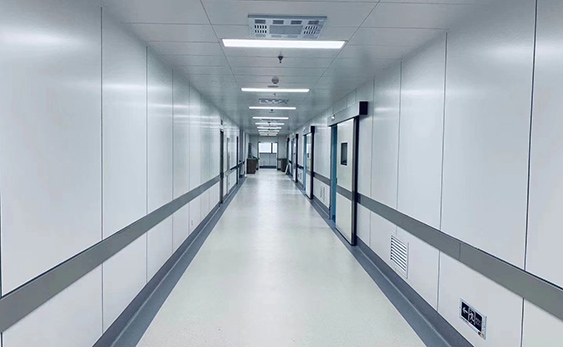
(1) The clean room is a place for human activities, and the cleanliness of the air reaches a certain level. The efficient and safe air purification system of the operating room in the clean laboratory ensures the sterile environment of the operating room, and can meet the highly sterile environment required for organ transplantation, heart, blood vessel, artificial joint replacement and other operations. The use of high-efficiency and low-toxic disinfectants and their rational use are powerful measures to ensure the aseptic environment in the general operating room. Laboratory purification ensures that the cleanliness of the operating table is up to standard. Generally, vertical laminar flow is generally used. The laminar flow operating room is a "positive pressure" environment. The air pressure depends on its different areas (such as operating room, sterile preparation room, brush The cleanliness of the hands, the anesthesia room and the surrounding clean area, etc.) varies with different requirements. Its function is to control particle pollution. A clean room is not generally clean, but has reached a certain level of air cleanliness. (2) The clean room is a multi-functional one. First of all, we need more professional cooperation with construction, air conditioning, purification, pure water, pure natural gas, etc. As far as pure gas is concerned, the process gas should also be purified. For example, in a disposable syringe factory, due to the designed process, the compressed air used in the injection molding workshop is not particularly purified. Each time the product is molded, a large amount of unpurified compressed air will be released, making the air cleanliness in the workshop unable to meet the requirements and causing pollution to the molded product. Therefore, dry air, compressed air, and inert gases that are in direct contact with drugs should be purified to meet production requirements. Secondly, several parameters need to be controlled, such as air cleanliness, bacterial concentration, air volume (air volume), pressure (pressure), sound (noise), light (illuminance), etc. (3) Regarding the quality of the clean room, in terms of importance, design, construction and operation management, that is to say, the clean room itself reflects its quality in the entire process from design to management. The difference between clean air conditioner and general air conditioner. Welcome to inquiry cleanroom glass partition wall、cleanroom ceiling grid system and clean room automatic doors etc.
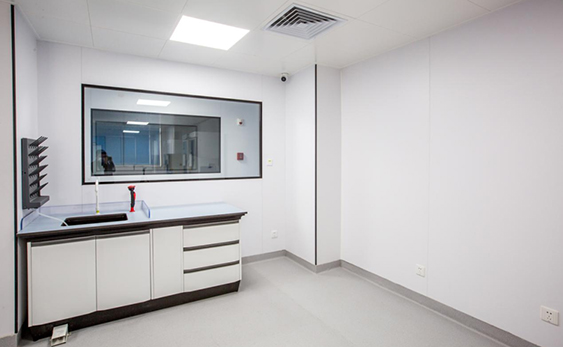
The use of laboratory furniture is becoming wider and wider, covering schools, hospitals, pharmaceutical factories, research institutes, etc., but there are few well-known furniture brands around us. With the continuous increase in output, the quantity-based production and sales model no longer adapts to the development of the laboratory furniture industry. If manufacturers want to occupy a place in the industry, they must focus on product quality, improve brand awareness, change the traditional marketing model and maintain stability. Down-to-earth development. Nowadays, the concept of environmental protection has been deeply rooted in the hearts of the people, and people are paying more and more attention to the environmental protection of furniture. In order to further respond to the call for low carbon and environmental protection and meet the actual needs of consumers, manufacturers have begun to use environmentally friendly materials, and green laboratory furniture has emerged. If manufacturers want to establish independent marketing channels, they must pay attention to the quality and brand of their products. Only good quality and reasonable price can attract consumers to buy. Those salesmen who do not pay attention to product quality but blindly create a sensation through advertising cannot retain consumers. Such manufacturers are not destined to last long. Laboratory furniture, with the development of the industry and the needs of the market, decoration, ventilation, purification, gas and other related projects have also emerged, thus gradually forming an independent laboratory system engineering system, which is also its main feature. Enterprises are developing towards scale, specialization and branding. Under the impetus of well-known enterprises, small and medium-sized enterprises will develop with them. The clustering of the industrial structure has formed a regional economy with local characteristics, using the original local resource advantages, and at the same time driving the development of the local economy. The shift towards functionalization and diversification, product types and markets continue to be subdivided, laboratory furniture, bathroom furniture, children's furniture and elderly furniture have emerged, and new and natural materials have been continuously applied to the production of furniture. The industrial structure is more specialized and gradual. Enterprises have changed the previous development model of unlimited expansion of production scale, and then developed more subdivided and specialized products. Each link of the industrial chain has become more subdivided, showing a gradual trend. Specializing in the laboratory table、Fume hood、 Laboratory sink and Laboratory cabinets .
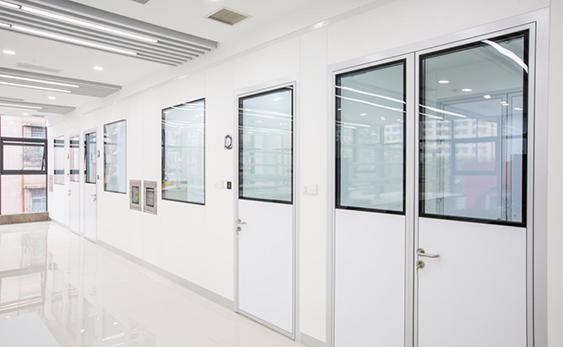
In recent years, as the use of clean rooms has been widely recognized by the industry, the application of clean rooms has become more and more extensive. For some products with high cleanliness requirements, the role of clean rooms is indispensable. However, while people lament the clean production environment that the clean room brings to the product, they gradually ignore the pollution of the clean room caused by external factors. This is quite a chronic suicide, which not only causes a waste of enterprise hardware costs, but also The product brings non-negligible pollution damage, which will greatly reduce the product superiority rate. This has caused most industry experts to pay attention to clean room pollution control. Where does this pollution come from? It is undoubtedly "people, machines, materials, methods, and environment". Among these factors, in addition to dust pollution, there is also a most basic "silicone-free" control. Based on many years of control experience, even if you do more Prevention, but the control of silicone oil is often not completely eliminated, why? Because of "people". People are the biggest source of pollution and the most difficult to control silicone oil pollution producer. The biggest source of silicone oil for the human body is cosmetics, especially female workers, who will inevitably apply smearing, especially in the cold winter, when dry skin will break down. Chips, or they are transferred to the material by hand, and the material must pass the test before it can enter the clean room. Some materials have already avoided silicone oil in the manufacturing process and materials, and they may be detected during retesting. Containing silicone oil, this is very wrong, so this is also the confusion of some companies in the selection of materials, they often want to figure out whether the material itself contains silicone oil, or the external contact is contaminated, it takes a lot of effort to repeat the verification, no doubt this is not Not advisable. At work, I often hear that some friends are not clear about the things that suppliers often use silicone oil. So how to eliminate this kind of dispute? The user can effectively control according to the following steps: 1. The user should inform the supplier in advance that there is a "silicone-free" control requirement; 2. Supplier control link: 1. The supplier shall ensure that the raw material itself does not contain silicone oil; 2. Supplier’s production processes, such as equipment, environment, and personnel operations, are all controlled without silicone oil; Third, the user material inflow inspection link: 1. Sampling of incoming materials to test the silicone oil item, namely FTIR test, generally requires 2 groups of tests, and each group needs to prepare 1-3 original samples of incoming materials. Test the first group first: directly rinse and then test and sample. If the result is OK, you do not need to perform the next group of tests; If the result is F...
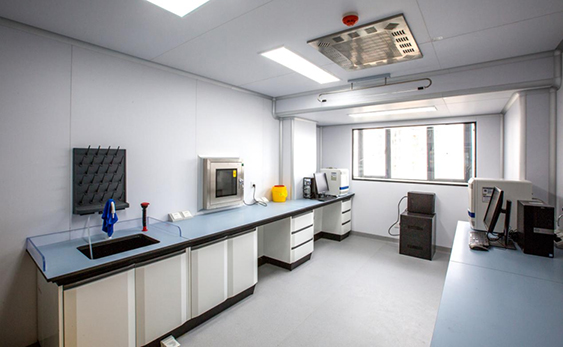
With the continuous development of modern industry, the laboratory industry has ushered in a good opportunity for development. Competition in the laboratory furniture industry is also becoming increasingly fierce. The quality of laboratory furniture varies greatly. Although the development prospects are good, they are also facing huge challenges. Laboratory furniture tends to pay more attention to style when choosing, and the design styles are also diverse. And it needs to be unified with the overall style of the laboratory. To create a good laboratory environment to please the experimenters will also increase the efficiency of the experiment. In the choice of materials, laboratory furniture often pays more attention to the choice of materials, and will choose more environmentally friendly materials, which not only responds to the energy-saving and environmental protection of the current society, but is also more conducive to the use of laboratories. In terms of the quality of laboratory furniture, we must be more careful. Because some acid-base reagents are often used in the laboratory, they are all acid-base and corrosive. Therefore, our furniture needs to have certain chemical properties. The rigorous craftsmanship and high quality are the long-term survival of experimental furniture. Fundamentally; in terms of styles, there must be more variety, so as to meet the needs of different consumers. Due to the particularity of some laboratories, they will have some special requirements. Companies must be clear about the nature and characteristics of their own laboratories when purchasing, so that they can choose suitable and satisfactory laboratory furniture. Welcome to inqiury fume hoods、laboratory cabinets and Laboratory sink.
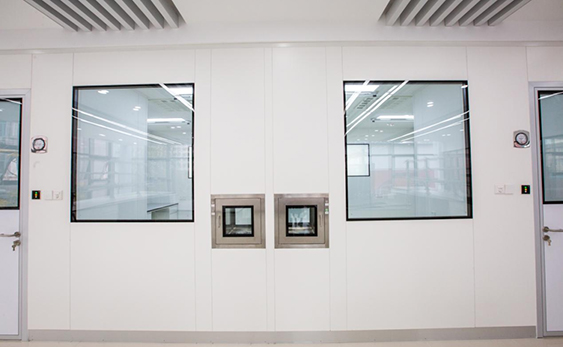
(1) The doors of the sterile room, preparation room, and instrument room are color steel plate door panels, aluminum alloy edging, aluminum alloy door frame thickness 1.2mm, door panel edging aluminum alloy thickness 1.0mm, and an observation window is opened above the door, window The sprayed aluminum alloy profile is used, and the arc filter is adopted. Color steel panel. (2) The observation window on the color steel plate of the sterile room is a double-sealed window, and the window adopts a plastic-sprayed aluminum alloy profile and adopts an arc transition. (3) The distance between the door and window frame and the wall fixing piece is not more than 600mm, the frame and the wall are firmly connected, the gap is filled with elastic material, and the surface is evenly sealed with sealant. (4) When there is a sealing strip on the sealing surface of the door frame, the sealing strip should be in a compressed state after the door leaf is closed. The gap between the door and the ground is provided with a soft rubber strip to ensure the negative pressure and cleanliness of the room. (5) The box and chute of the upper part of the suspended sliding door should be clean, and there should be no obvious gap between the door leaf and the wall when the door is closed. (6) The safety door is a structure that needs to be broken temporarily. The breaking tool is set in an obvious position, and it should be placed firmly and easy to access. (7) The window glass is fixed and sealed with sealant. If the sealing strip is used for sealing, the connection between the glass and the sealing strip should be smooth, and the sealing strip must not be crimped, detached, chipped, or broken. (8) The door and window glass is δ=4 float glass. The glass for fixing the double-glazed window should be flat, firm and not loose, and the gap should be sealed. The glass interlayer space should be clean and the glass surface should be bright. (9) The door lock is a manufacturer's anti-breakage lock that has been certified by the IS9002 standard. { "@context": "http://schema.org", "@type": "Article", "headline": " Install Clean Room Doors And Windows", "author": { "@type": "Person", "url": "https://www.wonclean.com/", "name": "Wonclean" }, "image": "https://www.wonclean.com/uploadfile/news/afe33f55407ccc65464e68f35d6ef3c6.jpg", "articleBody": "How to install clean room doors and windows" }

 Room JT30151, Building 4, Area B, No. 925 Yecheng Road, Industrial Zone, Shanghai,China
 Info@wonclean.com
Allen@wonclean.com
Joy@wonclean.com
Info@wonclean.com
Allen@wonclean.com
Joy@wonclean.com
 +86 13671979988(Allen)+86 15950938878(Joy)


 online service

