
Products
Home /

Clean room ceiling system

/Clean room false ceiling system

Clean room false ceiling system

Overview:

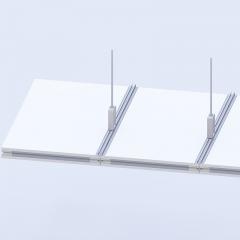
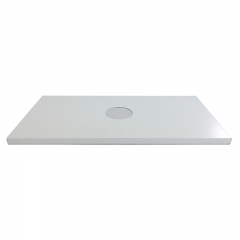
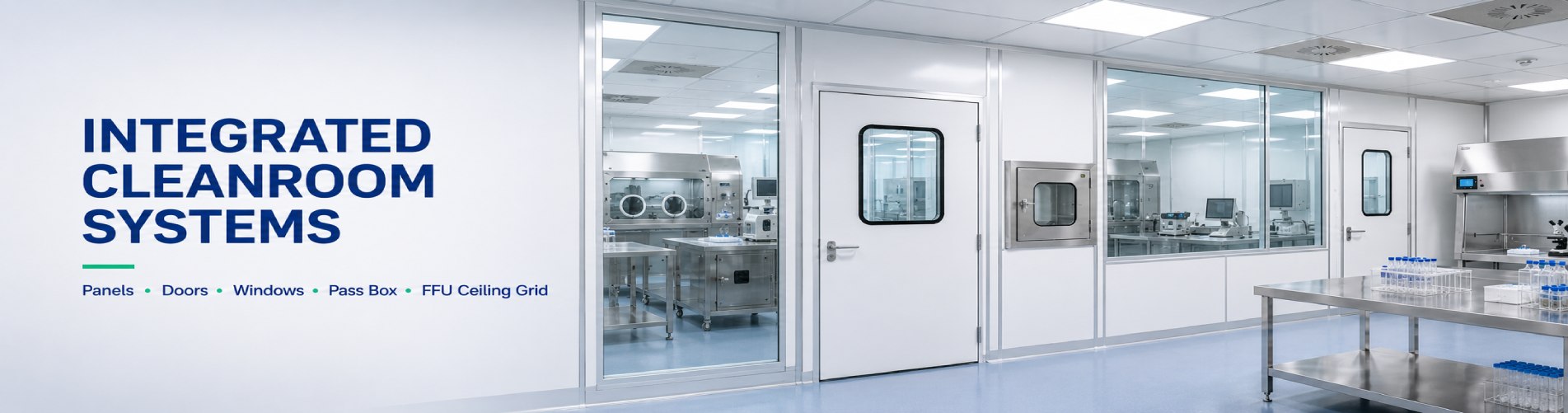
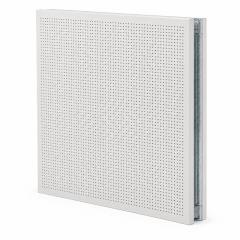
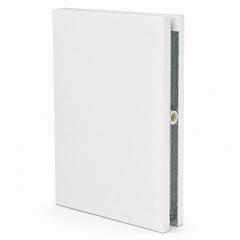
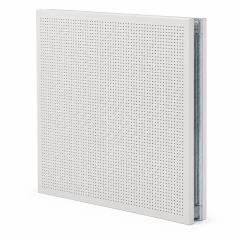
Clean room false ceiling system consists of suspended modular panels that create a seamless, cleanable overhead surface. It integrates with HVAC, lighting, and filtration systems to maintain ISO-classified air quality, while concealing services and reducing particle accumulation. Widely used in pharmaceuticals, electronics, and healthcare, it supports easy maintenance and flexible layout adjustments in controlled environments.

  • Product Origin:

    China
  • Shipping Port:

    Shanghai
  • Lead Time:

    25

New Products

  • Product Details

Introduction detail:

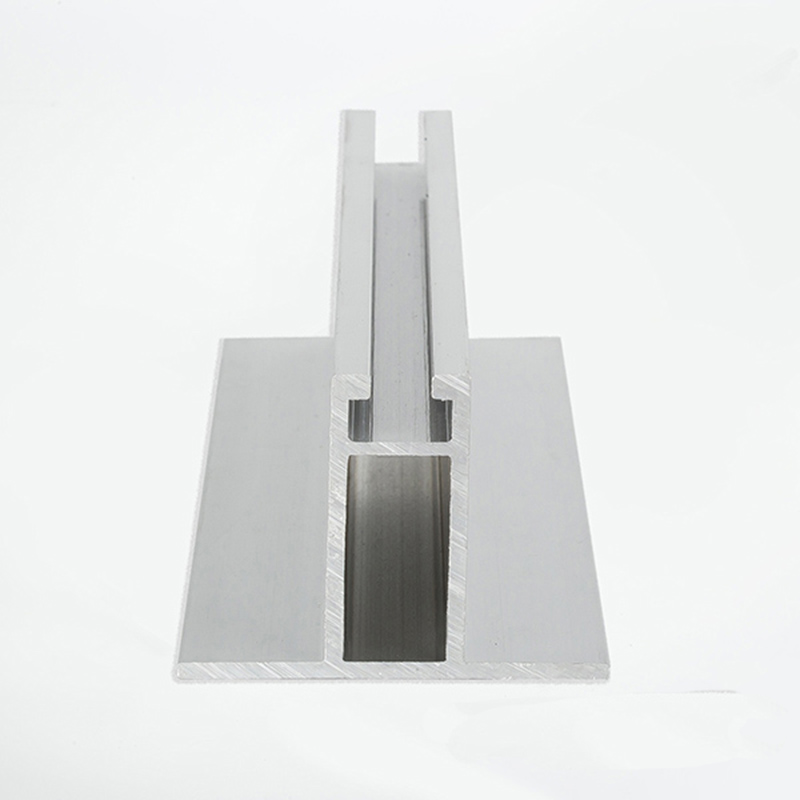
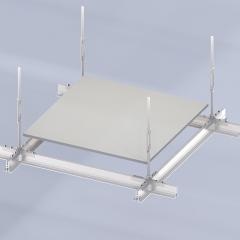
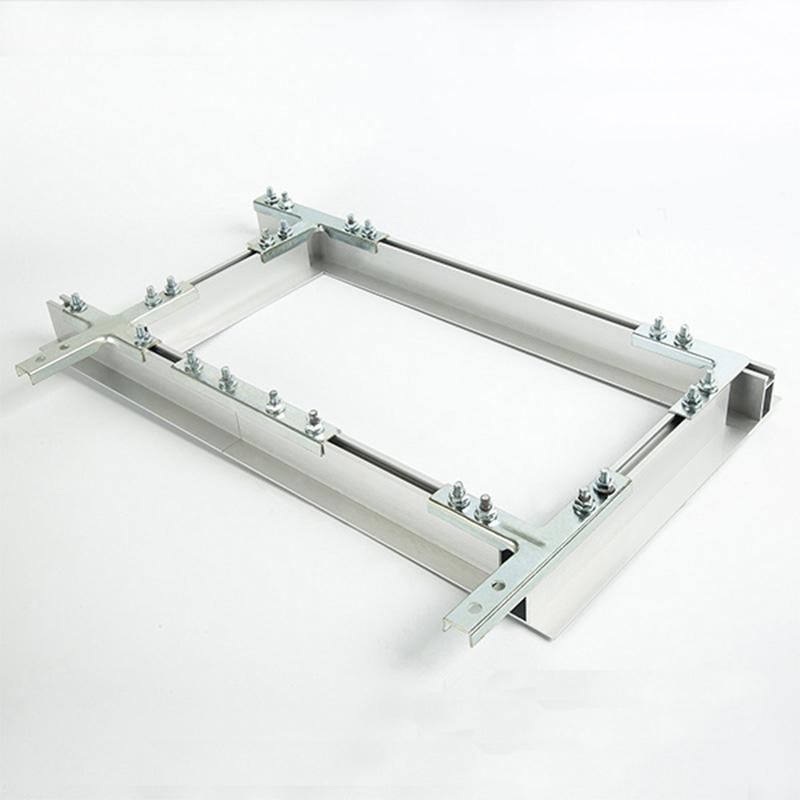
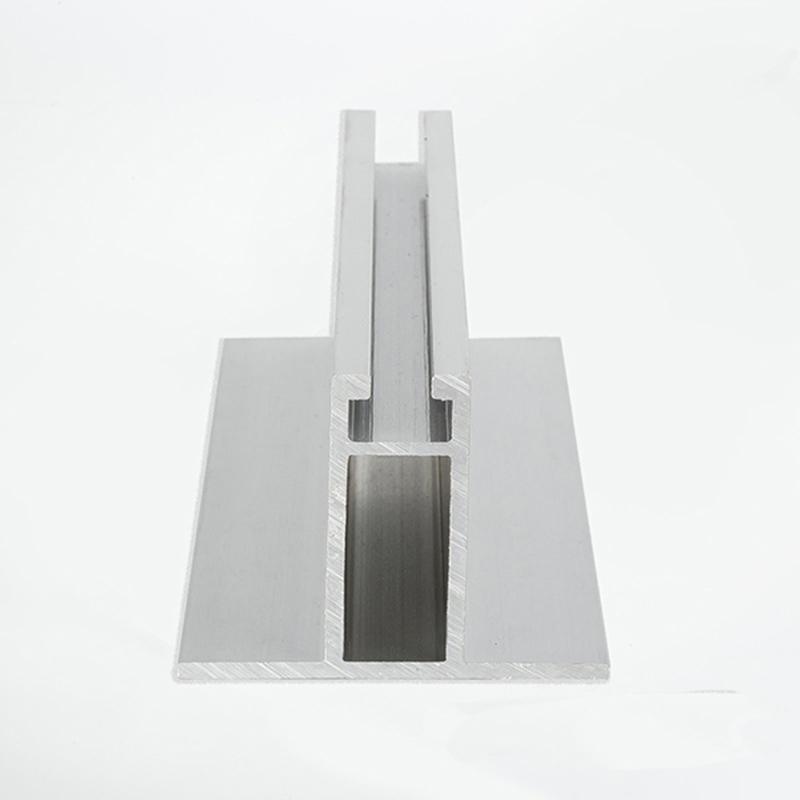
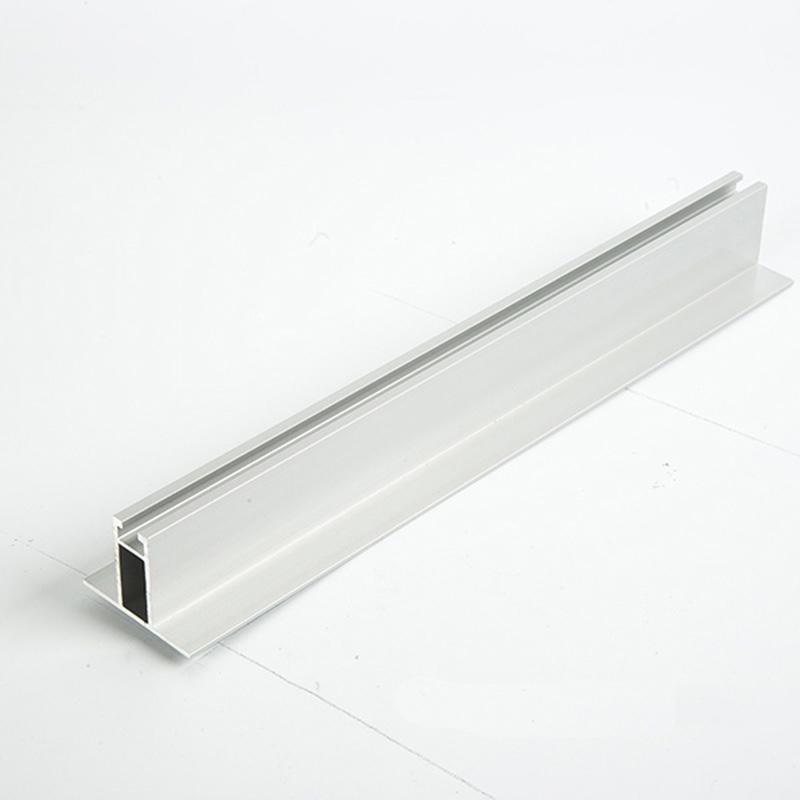
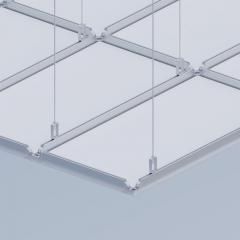
Clean room ceiling T-bar is a lightweight ceiling system consisting of several components, including an aluminum alloy keel, connectors, and suspension components. The aluminum alloy keel is an improvement on the iron painted keel. Because aluminum does not rust and discolor after oxidation treatment, the characteristics of aluminum alloy keel contain high strength, light weight, strong personalization performance, good decorative performance, easy processing and convenient installation. The main function of it is to support ceilings and filters. Due to its beautiful appearance, easy installation and low price, it is suitable for various factory ceiling systems.


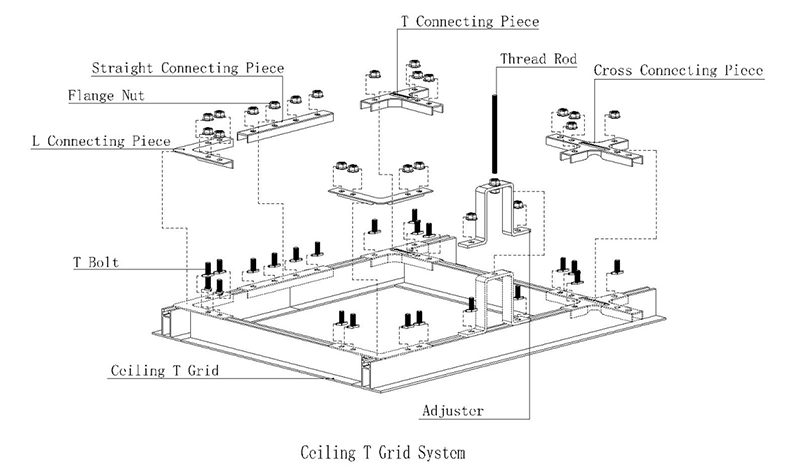
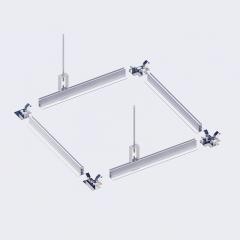
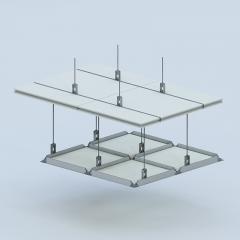
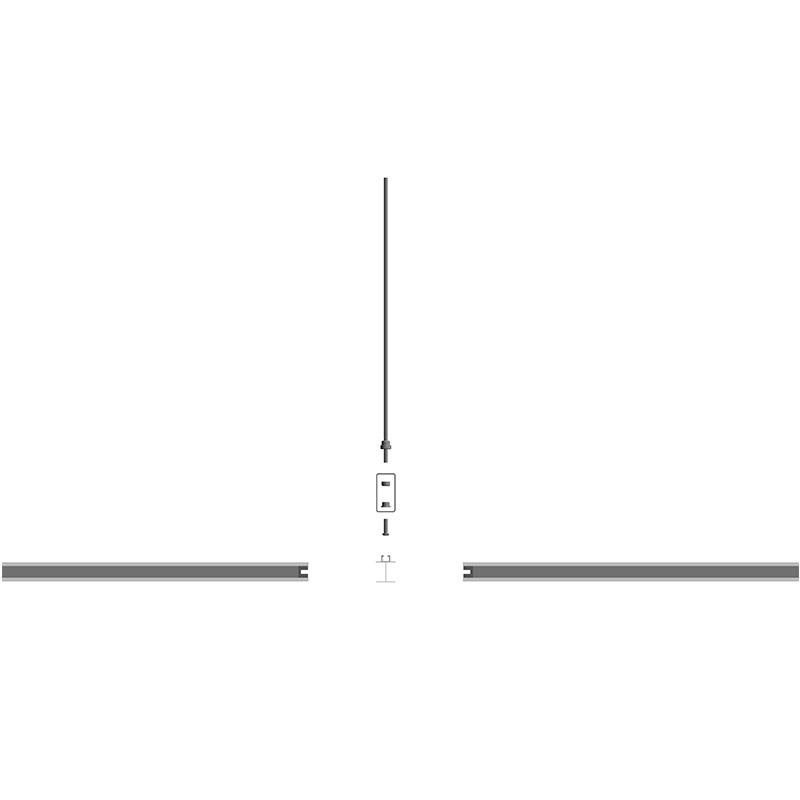
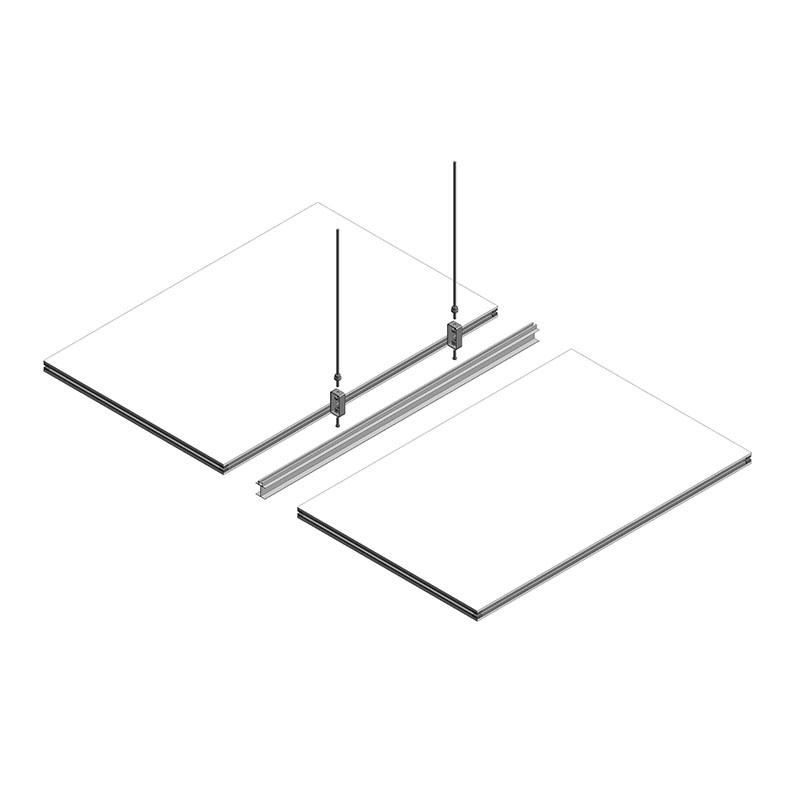
The drawing of Clean room ceiling bar:


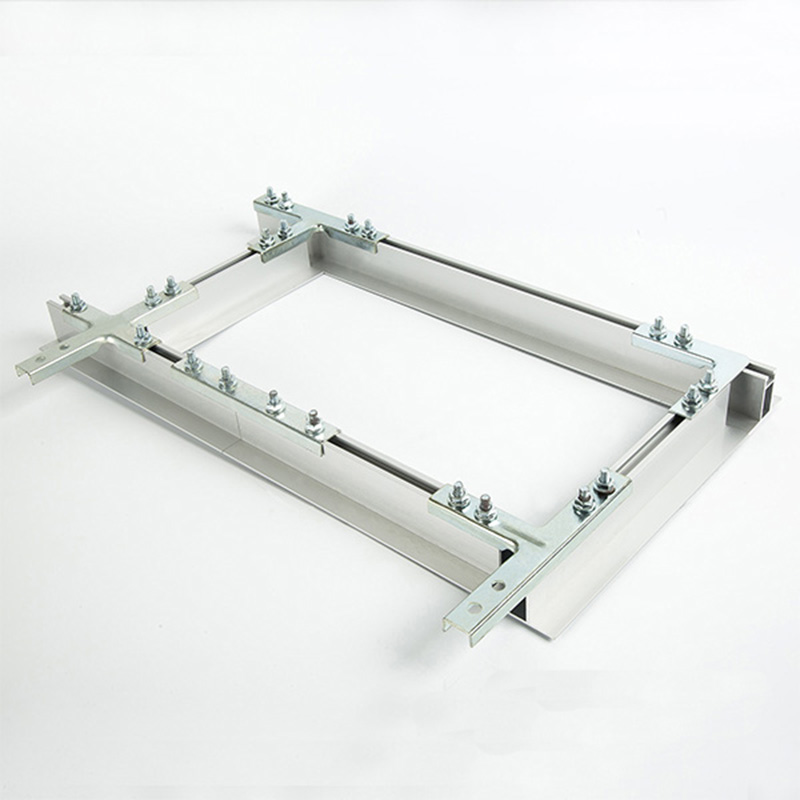
Detail picture:


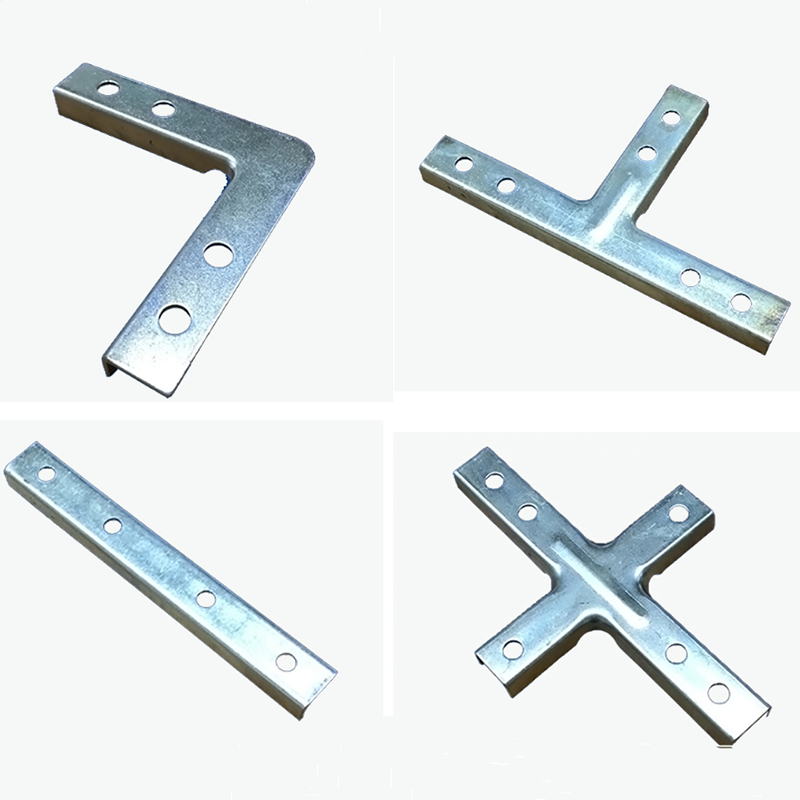
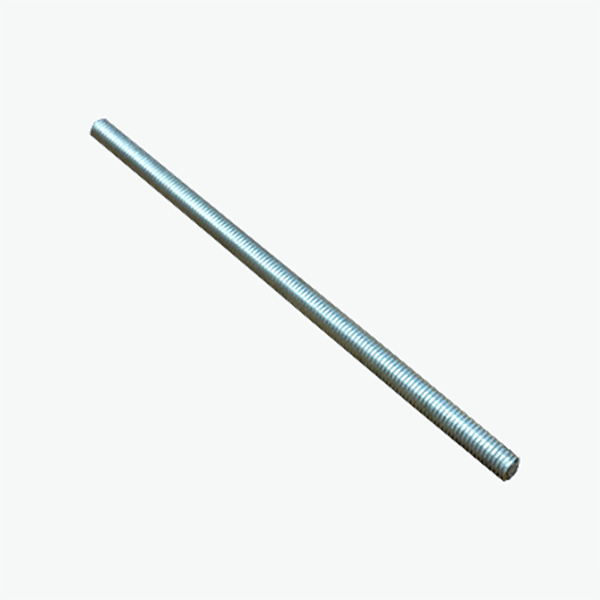
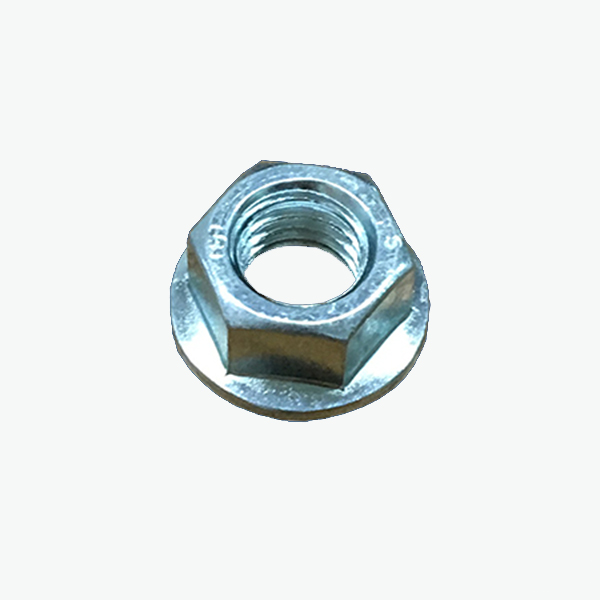
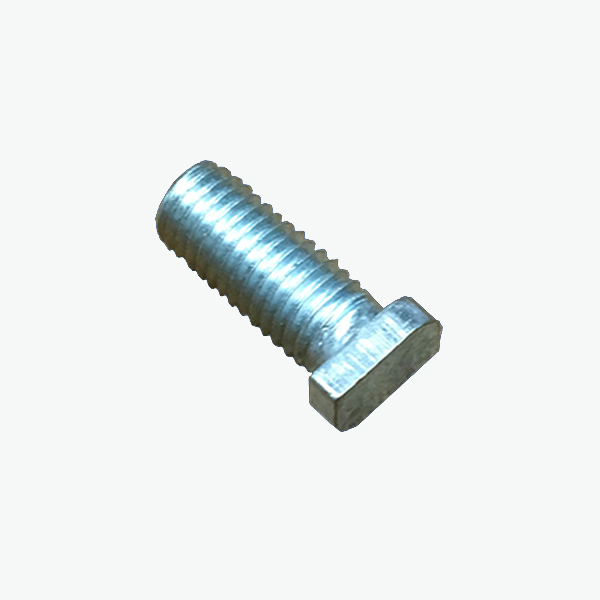
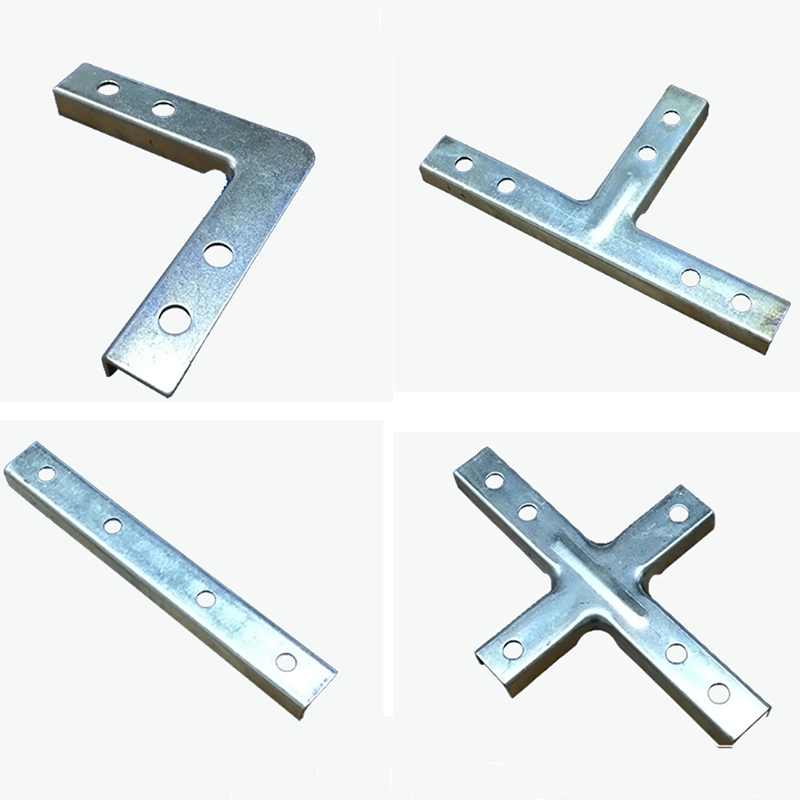
Clean room ceiling bar consisting of Ceiling bar, L connector,T connector,Cross connector and Straight connector, T bolt, Flange nut, Thread rod.


L connector, T connector, Cross connector, Straight connector, other components:


Products advantage

1. It has good supporting ability.

2. High strength, good quality.

3. Easy to installation.

4. Easy to clean.

Leave A Message
For more product details and new products, please leave a message.We'll reply quickly!
If you have questions or suggestions,please leave us a message,we will reply you as soon as we can!

Related Products

Cleanroom ceiling

Clean room HPL ceiling system

Overview: Cleanroom HPL Ceiling System utilizes high-pressure laminate panels to create a seamless, cleanable overhead surface. Resistant to chemicals and abrasion, it prevents particle shedding and microbial growth. The system integrates with HEPA/ULPA filtration units, supporting ISO-classified environments in pharmaceuticals and electronics, while offering easy installation and maintenance.

China Clean Room Ceiling

Clean room concealed bar ceiling system

Overview: Clean room concealed bar ceiling system features a hidden support structure with integrated panels, creating a flush, unobstructed ceiling surface. It conceals cables, ducts, and filters while maintaining strict cleanroom standards for particle control and disinfection. Ideal for high-classification facilities, it offers superior aesthetics and functionality, supporting seamless air distribution and equipment integration in critical environments.

Custom cleanroom ceiling panel

Clean room ceiling grid

Overview: Clean room ceiling grid is a structural framework of aluminum or steel tracks that supports modular ceiling panels and FFUs. It enables precise alignment of cleanroom components, ensures airtight joints, and allows for scalable, reconfigurable ceiling layouts. Designed for durability and hygiene, it facilitates easy access to services and is essential for maintaining cleanroom integrity across industries like semiconductors and biotechnology.

Cleanroom ceiling system

Clean room FFU ceiling grid system

Overview: Cleanroom FFU Ceiling Grid System incorporates Fan Filter Units (FFUs) into a modular grid structure, providing localized vertical laminar airflow. It enables flexible cleanroom classification control, energy-efficient air recirculation, and simplified filter maintenance. Widely used in semiconductor and biotechnology facilities, it ensures precise particle filtration and adaptable clean zone configurations.

Custom Clean Room Ceiling Panel

Clean room Ceiling panel system

Overview: Clean room ceiling panel system employs non-porous, sealed panels (e.g., HPL, coated metal) to form a continuous overhead barrier. It resists microbial growth, chemical exposure, and particle shedding, ensuring hygienic surfaces for disinfection. Compatible with FFUs and lighting, it simplifies maintenance and supports strict air quality requirements in pharmaceuticals, medical devices, and microelectronics manufacturing.

Bottom hanging ceiling grid

Bottom hanging ceiling grid

Overview: Bottom hanging ceiling grid is a suspended structural system where panels or FFUs are mounted beneath the primary ceiling plane. It enables vertical space optimization and easy access to overhead services without disrupting cleanroom operations. Commonly used in retrofit projects or high-clearance facilities, it supports localized filtration, lighting, and utility routing while maintaining ISO compliance and cleanability.

Data Center Ceiling is a specialized overhead system designed for IT facilities, integrating cable management, airflow containment, and fire-rated panels. It supports hot/cold aisle containment, reduces cooling costs, and ensures accessibility for ma

Data Center Ceiling

Overview: Data Center Ceiling is a specialized overhead system designed for IT facilities, integrating cable management, airflow containment, and fire-rated panels. It supports hot/cold aisle containment, reduces cooling costs, and ensures accessibility for maintenance. Key features include seismic resistance, modular design, and compatibility with raised floors, enabling efficient cooling management and infrastructure scalability in server rooms and data halls.

Data Center Ceiling is a specialized overhead system designed for IT facilities, integrating cable management, airflow containment, and fire-rated panels. It supports hot/cold aisle containment, reduces cooling costs, and ensures accessibility for ma

Data Center Ceiling

Overview: Data Center Ceiling is a specialized overhead system designed for IT facilities, integrating cable management, airflow containment, and fire-rated panels. It supports hot/cold aisle containment, reduces cooling costs, and ensures accessibility for maintenance. Key features include seismic resistance, modular design, and compatibility with raised floors, enabling efficient cooling management and infrastructure scalability in server rooms and data halls.

cleanroom wall panels

HPL sandwich panel

Overview: HPL sandwich panel utilizes high-pressure laminate (HPL) as the surface layer, bonded to an insulated core (e.g., PIR or rock wool). Designed for cleanroom and industrial applications, it offers chemical resistance, scratch-proof durability, and easy disinfection. Available in fire-rated and non-fire-rated variants, it ensures hygienic, low-maintenance surfaces while providing thermal insulation and sound dampening, widely used in laboratories, hospitals, and food processing facilities.

clean room wall penels

PIR cleanroom panel

Overview: PIR cleanroom panel utilizes polyisocyanurate foam cores with sealed metal skins. Its closed-cell structure delivers superior thermal insulation (λ≈0.022 W/m·K) and improved fire resistance (up to Class 0/B-s1,d0). The seamless surface ensures particle-free cleanliness, supporting contamination control. While offering better fire performance than standard PU panels, it carries similar weight and cost considerations, balancing energy efficiency with enhanced safety for regulated cleanroom environments.

clean room wall panels

Ventilate sandwich panel

Overview: Ventilation sandwich panel is a specially designed panel that integrates air channels within the insulation core, enabling seamless air distribution without additional external ductwork. It supports efficient airflow management for HVAC systems in cleanrooms, with metal or composite surfaces ensuring airtight, particle-free pathways. This design reduces system complexity, saves overhead space, and maintains consistent air quality, commonly used in controlled environments requiring integrated ventilation solutions.

Clean room accessories

Clean room Aluminium profile

Overview: The aluminum profile is an aluminum material obtained by hot melt and extrusion to obtain different cross-sectional shapes. The production process of aluminum profiles mainly includes three processes of casting, extrusion and coloring.

 
Leave A Message Request A Free Quote
For more product details and new products, please leave a message.We'll reply quickly!