


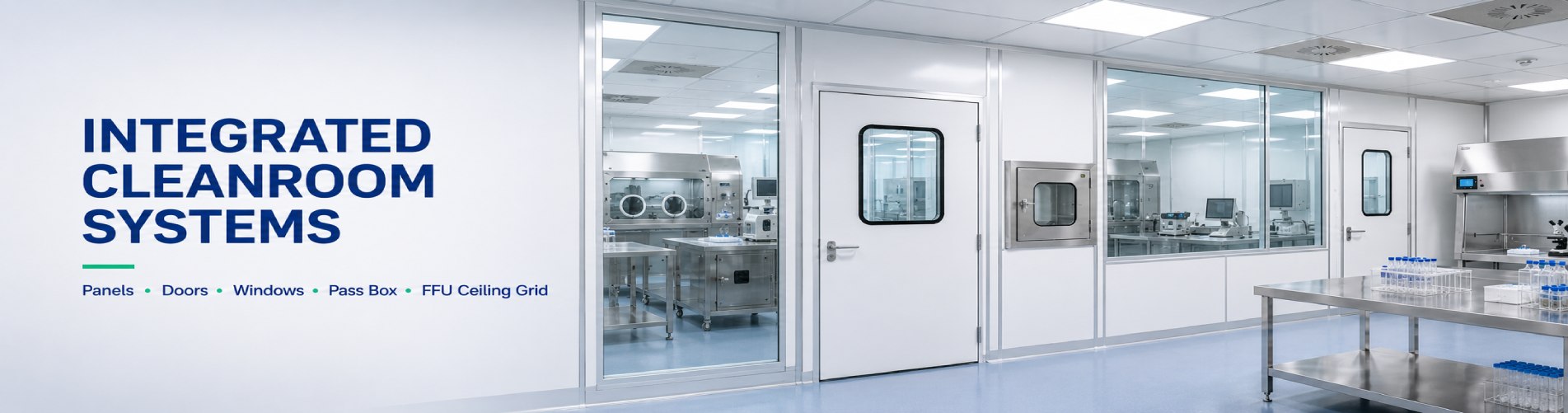
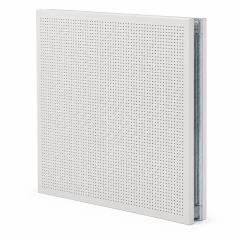
PIR Cleanroom Panel Standards 2026: Evaluating Core Material Safety and Thermal Efficiency
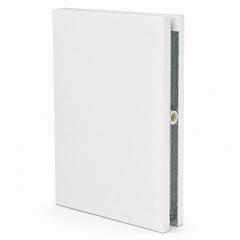
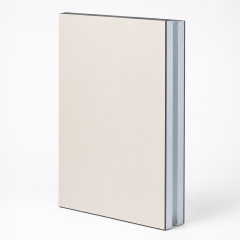
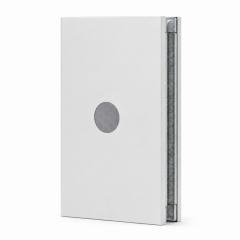
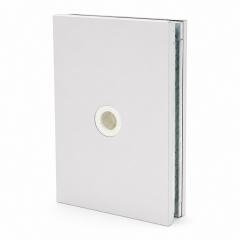
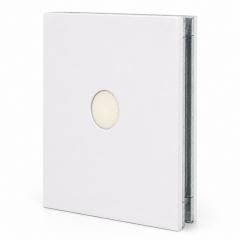
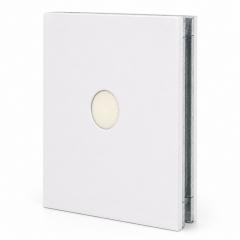
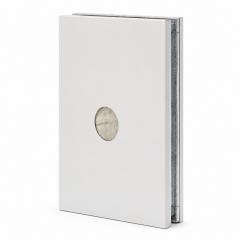
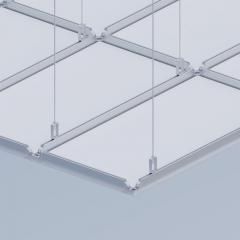
In the 2026 global industrial sector, the transition from standard PUR to the advanced PIR cleanroom panel has become a mechanical necessity for facility compliance. PUR and PIR refer to the chemical composition and structure of rigid polyurethane foam, utilized as core materials for high-grade Aluminum Honeycomb cleanroom panel systems. As a premier cleanroom panel supplier, Wonclean ensures that either PUR or PIR cores are composited with rigid surface materials to meet the rigorous airtight and thermal demands of modern pharmaceutical and semiconductor application area environments.
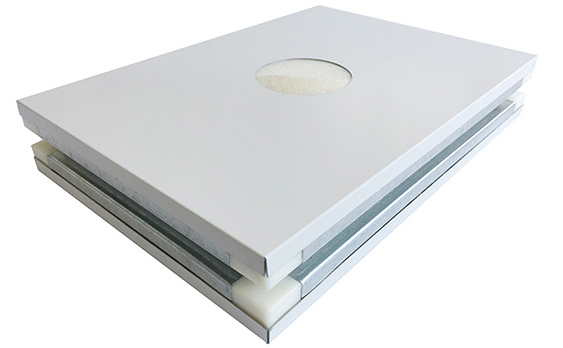
Industry Evaluation Guide: PIR vs. PUR Technical Standards
Facility managers must evaluate chemical skeletons—specifically the isocyanate index—to determine the thermal threshold and safety lifecycle of their cleanroom infrastructure:
| Technical Metric | PIR cleanroom panel (2026) | PUR Composite Panel | Safety Evaluation Logic |
|---|---|---|---|
| Isocyanate Index | High Index (Above 250) | Lower Index | Determines carbon-bond stability |
| Max Service Temp | Up to 150°C | Below 100°C | Prevents thermal core deformation |
| Fire Safety Class | Class B1 (Flame-retardant) | Class B2/B3 (Combustible) | Complies with GB8624-2026 safety |
| Chemical Segment | Urethane Modified Isocyanurate | Standard Urethane segments | Resists aggressive VHP cycles |
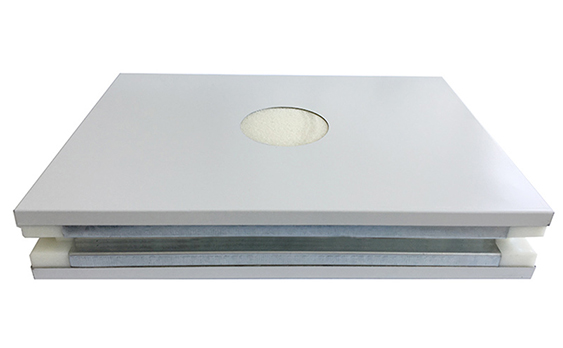
Fire Protection Evolution: Why B1 PIR is the Inevitable Trend
According to the GB8624-1997 fire protection legacy and updated 2026 building standards, the PIR cleanroom panel represents the highest possible fire safety for agricultural and cold chain production systems. PIR panels achieve the B1 Flame-retardant level by integrating urethane modified isocyanurate segments. Unlike PUR, PIR creates a carbon-rich char layer when exposed to heat, maintaining the integrity of sterile partition systems.


 online service

