What are you looking for?




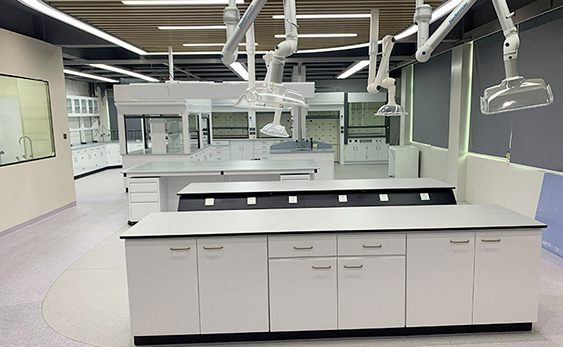
In the realm of scientific research and experimentation, the significance of a well-equipped laboratory can't be overstated. Among the many crucial elements that contribute to an efficient and safe working environment, laboratory furniture plays a pivotal role. Laboratory furniture includes essential components such as laboratory fume hoods, laboratory sinks, and laboratory cabinets, all of which are integral to ensure smooth operations and optimal functionality. Laboratory furniture manufacturers understand the unique requirements of scientific settings and strive to produce furniture specifically designed for laboratories. They employ advanced techniques and utilize high-quality materials to create durable and reliable furniture pieces that withstand the demanding nature of laboratory environments. One key aspect of laboratory furniture is the laboratory fume hood. This essential piece of equipment helps to protect researchers from potentially hazardous fumes and chemicals. By utilizing proper ventilation systems, fume hoods effectively remove harmful substances, ensuring the safety of laboratory personnel and maintaining the integrity of experiments. Laboratory sinks are another indispensable component of a well-equipped laboratory. They provide a convenient and hygienic solution for handwashing, general cleaning, and waste disposal. Laboratory sinks are designed to withstand the corrosive nature of chemicals and are equipped with features such as integrated drainage systems and water outlets, enhancing the efficiency and cleanliness of the workspace. Laboratory cabinets offer vital storage and organization solutions for laboratory equipment, glassware, and chemicals. These cabinets are constructed to meet stringent safety standards, ensuring proper containment and minimizing the risk of accidental spills or exposure to hazardous substances. With a variety of options available, laboratory cabinets enable researchers to efficiently manage their supplies and maintain a clutter-free workspace. The demand for modular laboratory furniture has been rising steadily in recent years. Modular laboratory buildings offer flexibility and adaptability, allowing researchers to customize their workspaces according to their specific needs. These prefabricated clean rooms and container-type laboratories provide a cost-effective solution, as they can be easily disassembled and relocated, offering mobility and scalability for evolving research projects. In conclusion, laboratory furniture is an indispensable component of any well-equipped scientific facility. Laboratory furniture manufacturers play a crucial role in providing high-quality, durable, and tailored solutions for laboratory environments. From laboratory fume hoods and sinks to laboratory cabinets, each furniture piece contributes to ensuring the safety, efficiency, and organization of the laboratory space. The growing popularity of modular laboratory buildings further emphasizes the need for adaptable...
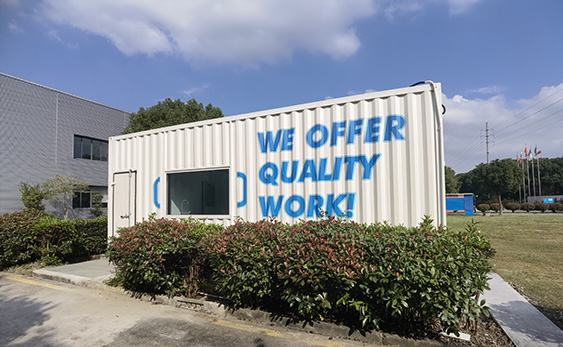
In the realm of scientific research and innovation, modular clean rooms have emerged as a pivotal solution for various industries. These technologically-advanced spaces, often referred to as modular laboratories, prefabricated clean rooms, or container-type laboratories, offer a versatile and efficient environment for conducting research and development. This article explores the concept of modular clean rooms and their numerous benefits for modern laboratory settings. Modular Laboratory Design: Modular laboratory buildings present a transformative approach to laboratory design. With their flexible configurations and customizable features, these spaces can be efficiently tailored to meet specific research requirements. By employing advanced construction methods and materials, modular clean rooms ensure stringent control over air filtration, temperature, humidity, and cleanliness levels. This translates to a highly controlled and sterile environment, allowing scientists to conduct experiments with maximum precision and accuracy. Prefabricated Clean Rooms: Prefabricated clean rooms are a key component of modular laboratory design. These self-contained clean room units are constructed off-site and then assembled on-site, minimizing construction time and disruption. By integrating innovative technologies, such as HEPA filtration systems and airflow management, these clean rooms provide an ultra-clean environment, essential for research involving sensitive materials or microbiological studies. Moreover, their versatility allows for easy adaptation and expansion as research needs evolve. Container-Type Laboratories: Another growing trend in modular clean room solutions is container-type laboratories. These compact yet fully functional laboratories are housed within standard shipping containers, making them easily transportable and deployable in various locations. Container-type laboratories offer the flexibility to conduct research in remote areas or as mobile units for on-site testing purposes. Researchers can benefit from the same high standards of cleanliness and control, regardless of the laboratory's physical location. Advantages of Modular Clean Rooms: The adoption of modular clean rooms in laboratory settings provides numerous advantages. Firstly, their modular nature allows for quick installation and easy scalability. Laboratories can be expanded or reconfigured as research requirements change, eliminating the need for extensive renovations or new constructions. Secondly, the controlled environment within modular clean rooms ensures consistent and reliable experimental results, minimizing contamination risks. Lastly, these innovative spaces promote cost-efficiency by optimizing energy consumption through smart environmental control systems. Conclusion: Modular clean rooms, comprising modular laboratories, prefabricated clean rooms, and container-type laboratories, have revolutionized the way research and development are conducted. By offering f...
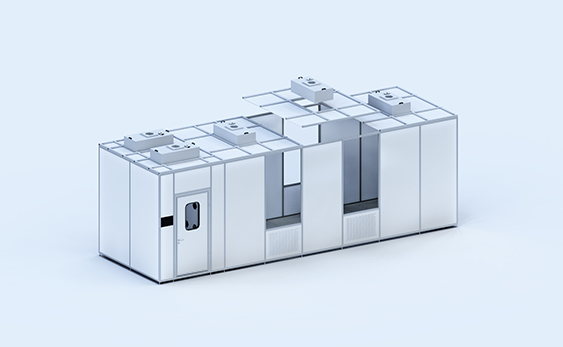
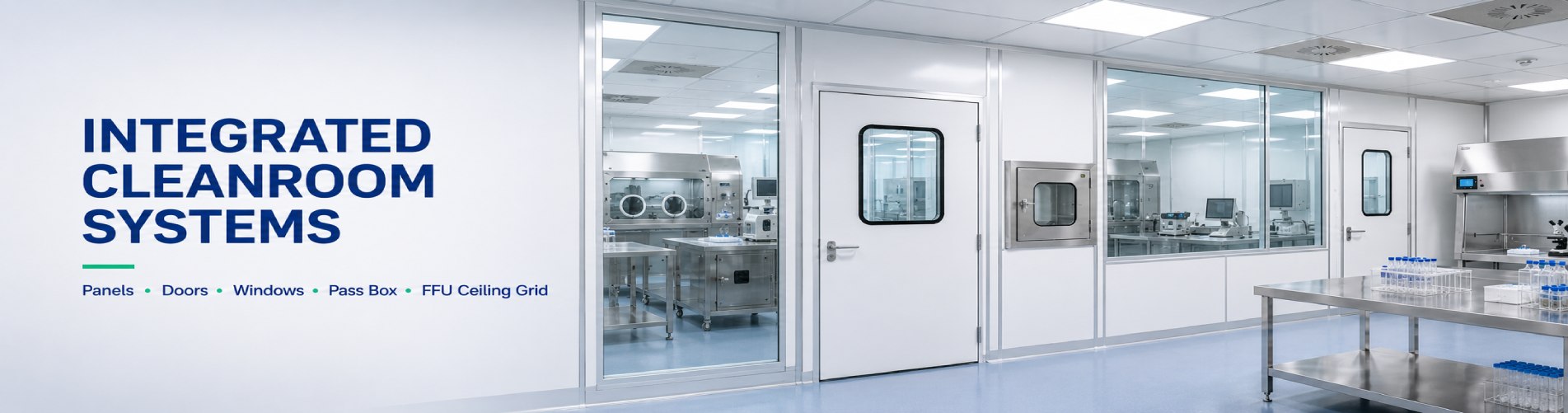
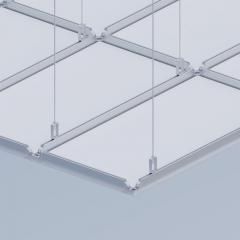
In today's era of rapid technological development, clean rooms are widely used in various industries to ensure a high-purity working environment and prevent pollutants from interfering with experiments and production processes. As demand grows, traditional clean room construction methods face several challenges, such as complex construction processes, expensive costs, and non-adjustable space layouts. However, with the advent of modular cleanrooms, new solutions will emerge. The advent of modular laboratory buildings has brought many benefits to the cleanroom industry. First, they are produced in factories using prefabricated and pre-engineered components and then simply assembled on site. This approach greatly simplifies the construction process, significantly shortens project delivery times and reduces reliance on on-site construction. As an application of modular clean rooms, container laboratories have become a highly attractive option. This design utilizes the structure of a standard shipping container to integrate the clean room into a removable container. Containerized laboratories are highly flexible and mobile and can be positioned and configured as needed to suit different projects and applications. Another important application of modular clean rooms is in laboratory environments, especially the rise of modular laboratory buildings. This concept tightly integrates the cleanroom into the laboratory space, providing a comprehensive clean and controlled environment. They can be used in various fields such as scientific research, pharmaceutical manufacturing, biotechnology and semiconductor industry to provide users with an efficient and flexible laboratory working environment. When it comes to key components of a clean room, we cannot overlook modular clean room ceiling grid systems. Made from high-quality materials, these ceiling grids provide a strong, stable support structure while housing a variety of cleanroom essential lighting and ventilation equipment. Additionally, HPL ceilings for clean rooms are popular for their ease of cleaning and durability, providing clean rooms with superior appearance and performance. In addition to the ceiling of the clean room, the doors and windows of the clean room are also very important components. Clean room door manufacturers focus on designing and manufacturing high-performance clean room doors to ensure the integrity and isolation of the internal environment of the clean room. Sliding cleanroom doors provide convenient access while maintaining a dust-proof and sealed cleanroom. In addition, the window design of the clean room focuses on transparency and sealing to ensure visualization of the work process inside the laboratory while reducing the intrusion of external pollutants. All in all, modular clean rooms bring new development directions to the clean room industry. Whether it is a container laboratory or a modular laboratory building, these innovative designs provide users with greater flex...
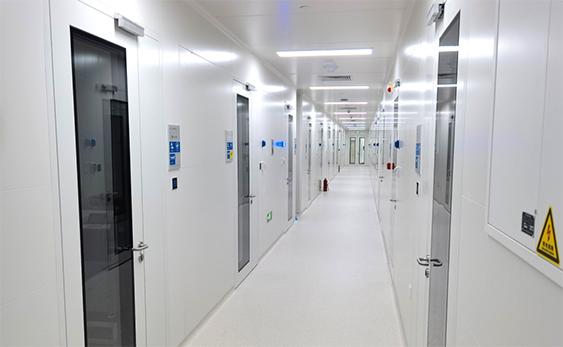
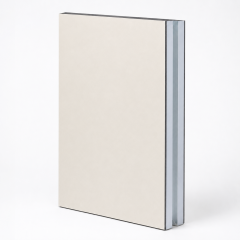
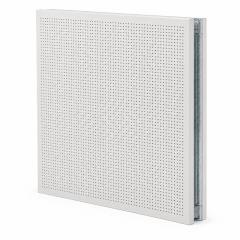
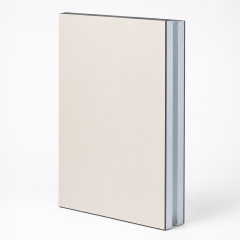
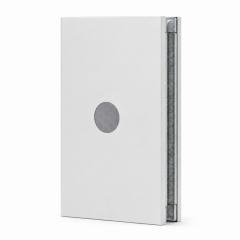
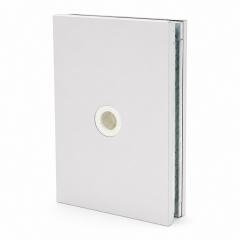
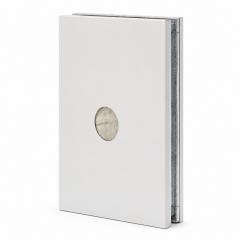
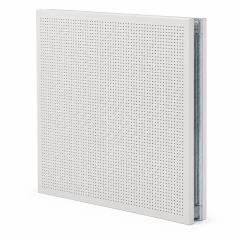
At present, the importance of the clean room industry has become increasingly prominent. Clean rooms are not only widely used in medical, pharmaceutical and microelectronics fields, but also play a key role in scientific research, manufacturing and high-end technology fields. The main task of the clean room is to provide a highly pure, dust-free and sterile working environment to ensure product quality and protect human health. One of the key elements behind clean room ceilings is the clean room ceiling grid system. The system has a modular design and can be flexibly adapted to different clean room layouts and needs. Its excellent load-bearing capacity and corrosion resistance make it an indispensable part of clean room construction. In the ceiling grid system, materials such as clean room HPL ceiling and aluminum ceiling are often chosen. HPL ceilings are favored for their durability and ease of cleaning, while aluminum ceilings are prized for their lightweight, durability and reliability. Clean room modular wall systems and clean room wall systems are also an integral part of the clean room industry. These systems not only provide the functionality of an isolated environment, but also offer significant advantages in flexibility and customizability. Clean room partition panels are widely used in isolation areas inside clean rooms, which can not only maintain the integrity of the clean environment, but also meet specific process requirements. At the same time, T-bar ceiling is also an important part of clean room ceiling decoration. T-shaped guide rail ceilings have excellent performance in terms of fire protection and safety. Its ease of installation and maintenance makes it one of the most popular choices in the cleanroom industry. All in all, the clean room industry is a key area of modern technology and high-end manufacturing. Components such as clean room ceiling grille systems, clean room HPL ceilings, T-rail ceilings and aluminum alloy ceilings not only provide an excellent working environment for clean rooms, but also play an important role in achieving consistency in product quality and improving production efficiency. crucial role. It is believed that with the continuous breakthroughs and innovations in technology, the clean room industry will continue to usher in new developments and progress.
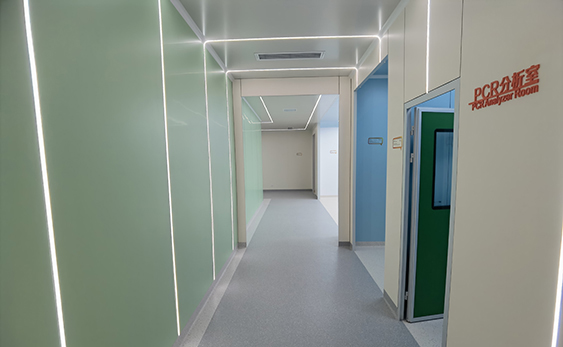
In the pursuit of optimal cleanliness and controlled environments, cleanrooms stand as sanctuaries of scientific precision. These technologically advanced spaces have revolutionized various industries, enabling the production of pharmaceuticals, electronics, and biotechnology with exceptional levels of purity. At the heart of these marvels lie the clean room partition panels, which act as sentinels, meticulously safeguarding the integrity of the environment. These partition panels, crafted with utmost finesse, employ state-of-the-art materials such as high-grade steel and specialized composites. Impeccably engineered, they ensure impeccable air circulation and minimal particle contamination, setting the stage for immaculate operations within the cleanroom's hallowed walls. Complementing the elegance of clean room partition panels is the meticulously designed cleanroom ceiling grid system, a symphony of functionality and aesthetics. This ingenious system suspends cleanroom ceilings, enhancing the unobstructed flow of air and ensuring uniform distribution of cleanliness throughout the chamber. The cleanroom ceiling grid system becomes the unseen conductor of purity, orchestrating a seamless performance within the cleanroom enclosure. Turning now to the clean room modular wall systems, we uncover a whole new dimension of versatility. These innovative creations offer the flexibility to customize the cleanroom layout, adapting swiftly to the evolving demands of research and production. By integrating modular wall systems, cleanroom designers unlock the power to reconfigure the space with ease, accentuating efficiency and adaptability. The seamless integration of cutting-edge technology with aesthetic allure, in both form and function, is a hallmark of these remarkable cleanroom installations. Let us not overlook the robust cleanroom wall systems, the silent guardians that fortify the sanctity of the cleanroom environment. Constructed with steadfast materials, these walls are endowed with excellent insulation properties, soundproofing capabilities, and fire resistance. Their purposeful design extinguishes any infiltrating external disturbances, creating a tranquil haven for scientific pursuits. In conclusion, the cleanroom industry is a realm where elegance and precision coalesce, yielding remarkable accomplishments in sectors ranging from medicine to microelectronics. As we wander through the labyrinthine corridors of modular clean rooms and container labs, we are captivated by the exquisite craftsmanship of clean room partition panels, the ethereal grace of cleanroom ceiling grid systems, the adaptability of clean room modular wall systems, and the steadfastness of cleanroom wall systems. These elements, harmoniously orchestrated, weave together a symphony of cleanliness, inspiring scientists and engineers to push the boundaries of innovation within these sacred domains.
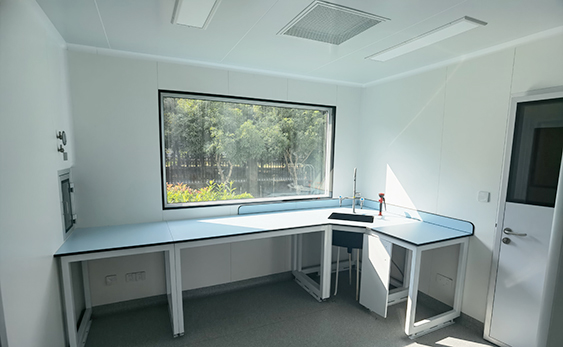
Modular laboratories are used in a wide range of applications. Here are some common areas: Scientific research: Modular laboratories can be used to conduct various scientific experiments and research, such as biology, chemistry, physics and other fields. Researchers can freely assemble experimental modules according to their needs to quickly build different types of laboratories to support multiple research projects. Pharmaceutical R&D: Modular laboratories have important applications in the field of pharmaceutical R&D. Researchers can use modular laboratories to build drug screening platforms, cell culture laboratories, etc. to speed up the drug development process and improve experimental efficiency. New materials research: Modular laboratories provide convenience for the research of new materials. Scientists can use modular laboratories for material synthesis, testing, analysis, etc. to develop new materials with special properties. Environmental Monitoring: Modular laboratories can be used for environmental monitoring and analysis. By carrying various sensors and analytical instruments, the modular laboratory can monitor environmental parameters such as air quality, water quality, and soil pollution in real time, providing data support for environmental protection and pollution control. Education and training: Modular laboratories can also be used for scientific education and training. Schools and training institutions can use modular laboratories to provide interactive experimental teaching to help students better understand scientific principles and experimental methods. In general, the application fields of modular laboratories involve scientific research, medical research and development, new materials research, environmental monitoring, education and training and other fields. Through modular design, the laboratory can flexibly adapt to different experimental needs, improve experimental efficiency, and promote the development of science and technology. Modular LAB manufacturers、Modular laboratory manufacturers、PVT container and Box laboratory etc.

 Room JT30151, Building 4, Area B, No. 925 Yecheng Road, Industrial Zone, Shanghai,China
 Info@wonclean.com
Allen@wonclean.com
Joy@wonclean.com
Info@wonclean.com
Allen@wonclean.com
Joy@wonclean.com
 +86 13671979988(Allen)+86 15950938878(Joy)


 online service

