What are you looking for?
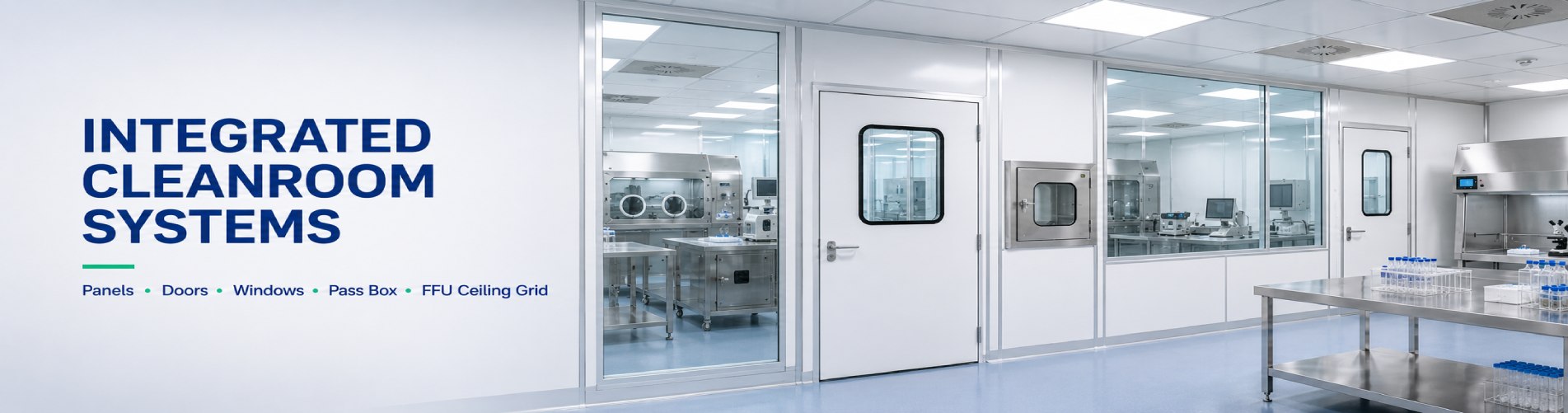
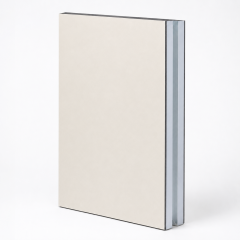

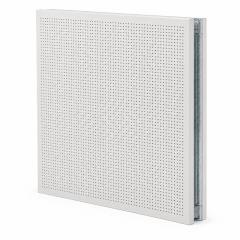
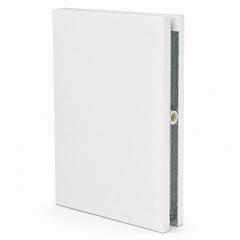
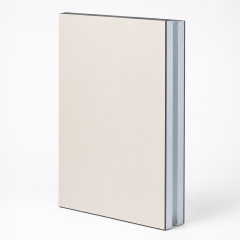
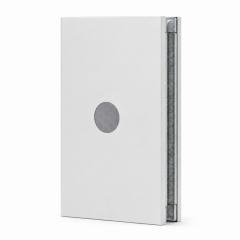
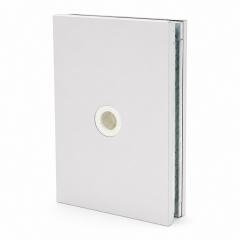
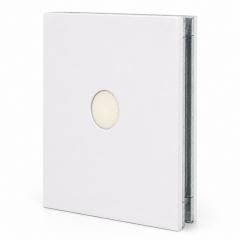
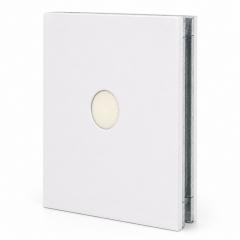
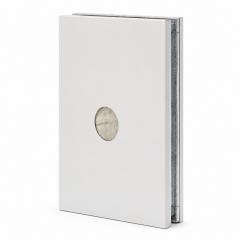
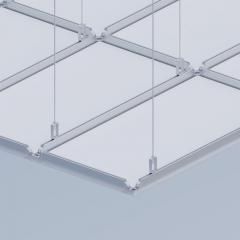
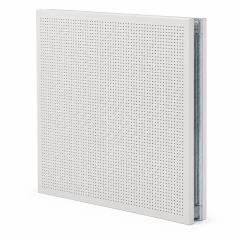
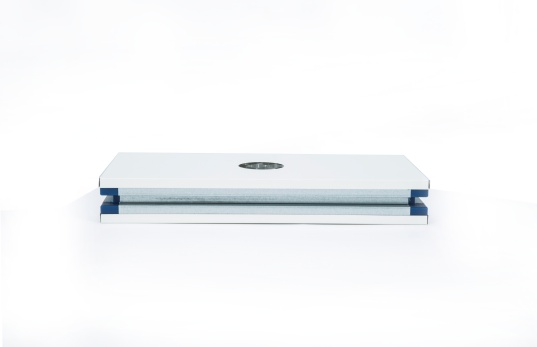
Clean room panels play a crucial role in maintaining the integrity of controlled environments. These specialized panels, commonly made from high-pressure laminate (HPL), are designed to meet strict specifications and provide a reliable barrier against contaminants. In this article, we will explore the features and materials used in clean room panels, as well as their key specifications. Clean room panels, often referred to as cleanroom wall panels, are essential components in the construction of clean rooms. These controlled environments are required in various industries, including pharmaceuticals, electronics manufacturing, and biotechnology, where even the smallest particles or microorganisms can compromise the quality of products or research. One widely used material in clean room panels is high-pressure laminate (HPL). HPL cleanroom panels offer excellent durability, chemical resistance, and easy maintenance, making them suitable for the stringent requirements of clean room applications. HPL panels are composed of layers of resin-impregnated kraft paper, which are bonded under high pressure and temperature. The top layer is a decorative sheet that enhances the panel's aesthetics and can be customized to match specific design requirements. Clean room panel specifications vary depending on the desired level of cleanliness and the industry standards. Some common specifications include panel dimensions, surface finishes, and fire ratings. Panel dimensions are typically standardized, with common sizes such as 4'x8' and 4'x10', although custom sizes are also available to accommodate different room configurations. Surface finishes vary from smooth to textured, with smooth finishes being easier to clean and maintain. When it comes to clean room panel material, HPL is a popular choice due to its properties and performance. HPL panels are non-porous and resistant to moisture, chemicals, and microbial growth. This makes them easy to clean and disinfect, ensuring a sterile environment. Additionally, HPL panels have excellent fire-resistant properties, contributing to overall safety in clean room facilities. Cleanroom wall panels are not only designed to provide a physical barrier but also to integrate seamlessly with other clean room components. They can accommodate various fixtures, including pass-through boxes, air handling units, and electrical outlets, while maintaining the required level of cleanliness. In conclusion, clean room panels, particularly HPL cleanroom panels, are essential for maintaining controlled environments in industries with strict cleanliness requirements. These panels offer durability, chemical resistance, and easy maintenance. With their customized specifications and integration capabilities, clean room panels contribute to the overall success and efficiency of clean room facilities. Whether it is in pharmaceuticals, electronics manufacturing, or biotechnology, clean room panels play a vital role in ensuring a clean and sterile...
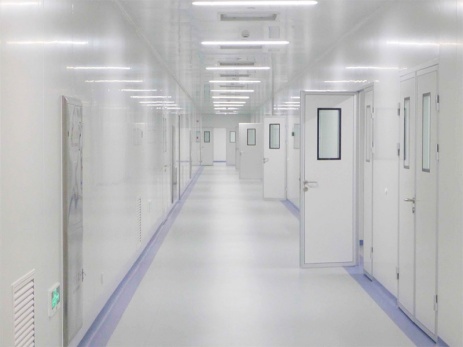
Clean rooms require stringent environmental control to maintain a sterile and contaminant-free environment. Key components of clean rooms are the doors, which play a critical role in maintaining the desired level of cleanliness. In this article, we will explore the features, pricing, and top manufacturers of High-Pressure Laminate (HPL) doors for clean rooms. Additionally, we will discuss the benefits of sliding doors in clean room applications. Features of HPL Doors: HPL doors are specifically designed for clean room environments, offering a combination of durability, aesthetics, and hygienic properties. These doors are constructed using high-quality materials and engineered with precision to meet the strict requirements of clean room standards. Some notable features include: Material: HPL doors are made from high-density fiberboard (HDF) as the core material and covered with a layer of HPL on both sides. This construction provides excellent resistance to scratches, chemicals, moisture, and impact. Hygienic Surface: The smooth surface of HPL doors prevents the accumulation of dust and contaminants, making them easy to clean and maintain. This property is crucial for clean room environments where cleanliness is of utmost importance. Fire-Retardant Properties: HPL doors are manufactured to be fire-resistant, ensuring the safety of the clean room environment and its occupants. HPL Door Price: The price of HPL doors for clean rooms can vary depending on several factors, including the dimensions, design complexity, additional features, and the manufacturer. On average, the cost of a standard-sized HPL door can range from 200��200to500. However, it is essential to note that customized doors or those with special requirements may cost more. Top Manufacturers of Clean Room Doors: XYZ Clean Room Solutions: XYZ Clean Room Solutions is a leading manufacturer in the clean room industry, specializing in a wide range of clean room products, including HPL doors. They offer customized solutions and ensure high-quality standards. ABC Clean Room Technologies: ABC Clean Room Technologies is renowned for its expertise in clean room systems. Their HPL doors are known for their durability and compliance with clean room standards. DEF Clean Room Products: DEF Clean Room Products is a trusted manufacturer of clean room doors, providing a comprehensive range of options, including HPL doors. They emphasize product quality and functionality. Sliding Doors for Clean Rooms: In addition to traditional swing doors, sliding doors have become increasingly popular in clean room applications. Sliding doors offer several advantages, such as: Space Optimization: Sliding doors do not require extra space for swing arcs, allowing for better space utilization in clean room layouts. Seamless Access: Sliding doors provide smooth and silent operation, ensuring quick and convenient access to clean room areas without compromising cleanliness. Improved Airflow Control: Sliding doors min...
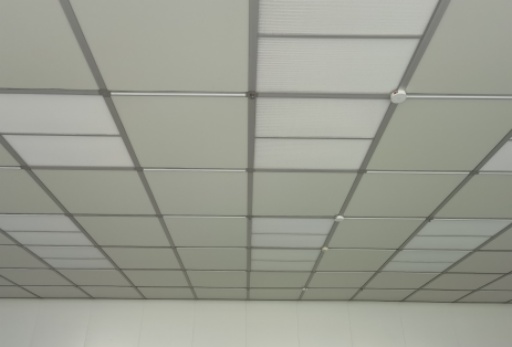
Commercial spaces require efficient and versatile ceiling solutions to create an appealing environment for customers and employees alike. In this article, we will explore the benefits of HPL false ceilings and clean room ceilings, along with the advantages of using aluminium ceilings and bottom load ceiling grids. HPL False Ceilings: High-Pressure Laminate (HPL) false ceilings have gained popularity in commercial settings due to their durability and aesthetic appeal. HPL panels are made by compressing multiple layers of resin-impregnated Kraft paper under high pressure to create a robust surface. The advantages of HPL false ceilings include: a) Durability: HPL panels are resistant to scratches, impact, and moisture, making them suitable for high-traffic areas such as shopping malls, airports, and office buildings. b) Design Flexibility: HPL panels come in a wide range of colors, patterns, and textures, allowing for endless design possibilities. They can mimic the appearance of natural materials like wood, stone, or metal, adding a touch of elegance to any commercial space. c) Easy Maintenance: HPL false ceilings are easy to clean and maintain, requiring minimal effort to keep them looking pristine even in busy environments. Clean Room Ceilings: Clean room ceilings are essential in commercial facilities that require strict control of airborne contamination, such as pharmaceutical labs, healthcare facilities, and electronics manufacturing units. Key features of clean room ceilings include: a) Air Filtration: Clean room ceilings are designed to integrate with HVAC systems, effectively filtering air and preventing the ingress of contaminants. This ensures a clean and sterile environment, crucial for sensitive operations. b) Sealed Joints: Clean room ceilings have tight, sealed joints to eliminate any gaps or crevices. This prevents the accumulation of dust, bacteria, or other particles, maintaining hygienic conditions within the controlled environment. c) Easy Installation: Clean room ceilings are engineered for quick and efficient installation, allowing businesses to minimize downtime during construction or renovation. Aluminium Ceilings: Aluminium ceilings offer a lightweight and versatile solution for commercial spaces. Their benefits include: a) Lightweight and Durable: Aluminium panels are lightweight, making them easy to handle and install. They are also resistant to corrosion, ensuring longevity and low maintenance costs. b) Aesthetic Appeal: Aluminium ceilings are available in various finishes, including powder-coated, pre-painted, or wood grain, offering a modern and sleek look to commercial spaces. c) Sound Absorption: Depending on the design, aluminium ceilings can enhance acoustic performance by reducing noise levels, creating a more pleasant environment for customers and employees. Bottom Load Ceiling Grids: Bottom load ceiling grids, also known as "clip-in" systems, are widely used in commercial settings for their convenience and flexib...
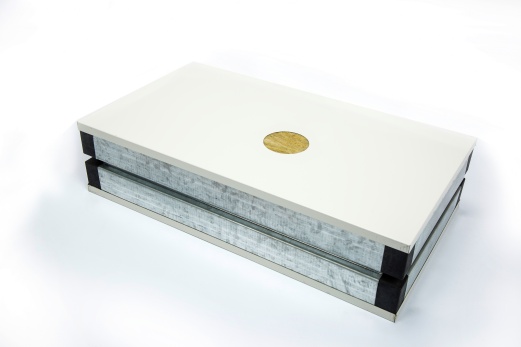
The global construction industry is witnessing remarkable advancements in the field of sandwich panel technology. Two highly innovative types gaining popularity are clean room sandwich panels and HPL (High-Pressure Laminate) sandwich panels. These panels, widely used in various sectors, including healthcare, pharmaceuticals, and food processing, are revolutionizing the construction landscape in Bangladesh. This article explores the key features, design aspects, and benefits of these sandwich panel varieties, highlighting their significant contributions to the country's building infrastructure. Clean Room Sandwich Panels Clean room sandwich panels are specifically designed to ensure high levels of cleanliness for specialized environments such as laboratories, operating theaters, and pharmaceutical manufacturing facilities. These panels are constructed with precision, incorporating durable materials that prevent the accumulation of contaminants and provide superior hygienic conditions. The core material, usually made of polyurethane (PU) or expanded polystyrene (EPS), offers excellent insulation properties for temperature control and noise reduction. The cladding material, often composed of galvanized steel or aluminum alloy, provides added strength and resistance to corrosion. These panels also feature successful integration of doors, windows, and other necessary elements, making them highly practical for clean room applications. HPL Sandwich Panels HPL sandwich panels, on the other hand, are becoming increasingly popular due to their aesthetic appeal and versatile applications. HPL is a composite material made by applying high pressure and heat to multiple layers of kraft paper, impregnated with thermosetting resins. These panels offer a wide range of colors, patterns, and textures, allowing architects and designers to create visually appealing facades and interiors. HPL panels are also highly durable, resistant to scratches, impacts, and UV radiation, making them ideal for commercial buildings, hotels, and restaurants. Their easy installation process, low maintenance requirements, and eco-friendly characteristics further contribute to their growing demand in Bangladesh's construction industry. Design Advancements in Sandwich Panels With continuous research and development in sandwich panel technology, innovative design solutions are emerging to enhance the functionality and performance of these panels. Advanced manufacturing techniques allow for precise customization of dimensions, profiles, and surface finishes, catering to specific project requirements. Moreover, the integration of insulation materials like polyurethane (PU) results in improved energy efficiency, ensuring optimal thermal comfort within buildings. Modern sandwich panel designs also focus on superior fire resistance, sound insulation, and moisture control, providing safer and more comfortable living and working environments. These advancements in design have significantly contri...
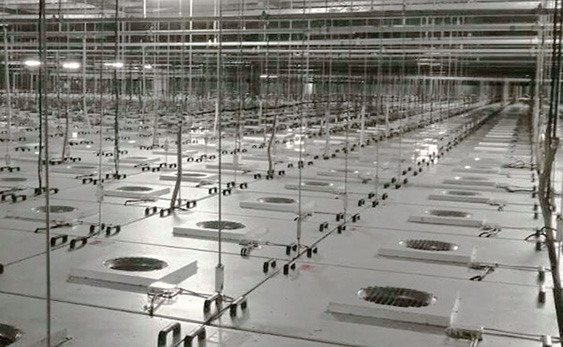
The cleanroom environment plays a crucial role in various industries, ensuring the highest standards of hygiene and safety. Among the key components that contribute to a well-designed cleanroom are the ceiling systems. In this article, we will focus on cleanroom ceilings, specifically discussing sandwich panel ceilings, aluminium ceilings, and cleanroom ceiling grids. When it comes to cleanroom ceilings, one popular option is the sandwich panel ceiling .This type of ceiling consists of two metal sheets with an insulating core material in between. It provides excellent thermal and acoustic insulation, while also offering a smooth and hygienic surface that is easy to clean. Sandwich panel ceilings are known for their durability and resistance to moisture, making them ideal for cleanroom environments where precision and cleanliness are paramount. Another common choice for cleanroom ceilings is aluminium ceilings. These ceilings are lightweight, yet sturdy, making them suitable for cleanroom applications. Aluminium ceilings are highly customizable, allowing for various designs and finishes. They are also easy to install and maintain, making them a cost-effective solution for cleanroom projects. Additionally, aluminium ceilings offer good fire resistance properties, further enhancing the safety aspect of cleanroom facilities. To ensure proper installation and functionality of cleanroom ceilings, a cleanroom ceiling grid system is utilized. The cleanroom ceiling grid provides structural support for the ceiling panels, creating a uniform and level surface. It is designed to meet the specific requirements of cleanroom environments, including load-bearing capabilities and compatibility with cleanroom lighting fixtures and air diffusers. The cleanroom ceiling grid system is engineered to withstand the stringent demands of cleanroom operations while maintaining a sterile and controlled environment. In conclusion, cleanroom ceilings are a critical component of cleanroom design. Sandwich panel ceilings offer excellent insulation and durability, while aluminium ceilings provide versatility and ease of installation. The cleanroom ceiling grid system ensures proper support and functionality of the ceiling panels, maintaining the integrity of the cleanroom environment. By carefully selecting and implementing these cleanroom ceiling systems, industries can create cleanroom facilities that meet the highest standards of cleanliness and safety.
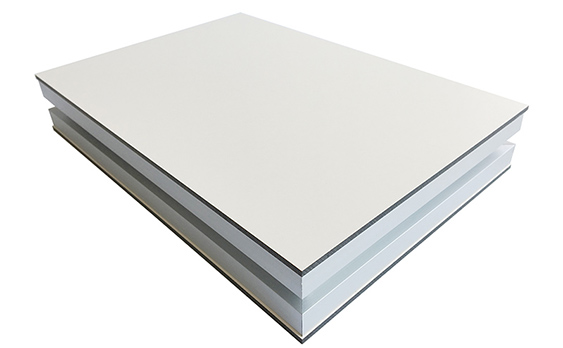
In the realm of cleanroom construction and design, meticulous attention to detail and the use of high-quality materials are paramount. This is especially true when it comes to creating an environment that is not only functional but visually appealing as well. Two key elements in achieving this delicate balance are HPL false ceilings and cleanroom HPL wall panels. Let's explore the significance of these elements and their contribution to the overall aesthetics and functionality of cleanroom spaces. First and foremost, HPL false ceilings serve as an essential component in creating a clean and structured environment within laboratories and critical cleanroom areas. High-pressure laminate (HPL) false ceilings offer remarkable durability, resistance, and ease of maintenance. They are engineered to withstand the rigors of a controlled environment, providing a reliable solution that ensures long-term performance. This distinctive ceiling system effectively conceals unsightly building services, electrical wirings, and HVAC ductwork, creating a seamless and visually appealing overhead surface. Moreover, the use of HPL ceiling panels offers an added advantage in terms of customization and design flexibility. With a wide array of colors, patterns, and textures available, HPL ceiling panels can be tailored to complement the overall aesthetic vision of the laboratory space. Whether it is a sleek and modern design or a more traditional and refined look, HPL ceiling panels can be customized to elevate the visual appeal of cleanroom environments while still maintaining the necessary functional requirements. Moving on to cleanroom HPL wall panels, a similar level of attention is placed on their selection and installation. These panels provide an additional layer of sophistication and cleanliness to the laboratory space. Cleanroom HPL wall panels are designed to meet stringent cleanroom standards, offering excellent resistance to chemicals, impact, and moisture. This ensures that the walls remain hygienic, durable, and easy to clean, vital factors in maintaining the integrity of the cleanroom environment. Furthermore, cleanroom HPL wall panels contribute to the overall aesthetics by offering a range of color options that can seamlessly integrate with the laboratory's design theme. This allows for a cohesive and visually harmonious environment that promotes productivity and a sense of professionalism. Additionally, these modular wall panels can be easily installed, reconfigured, or replaced when necessary, offering practicality and adaptability to the evolving needs of the laboratory space. In conclusion, the integration of HPL false ceilings and cleanroom HPL wall panels in laboratory settings brings forth a harmonious blend of visual appeal and functional excellence. With their durability, resistance, and ability to meet stringent cleanroom requirements, these elements enhance the overall aesthetics of cleanroom spaces. The customization options available allow f...

 Room JT30151, Building 4, Area B, No. 925 Yecheng Road, Industrial Zone, Shanghai,China
 Info@wonclean.com
Allen@wonclean.com
Joy@wonclean.com
Info@wonclean.com
Allen@wonclean.com
Joy@wonclean.com
 +86 13671979988(Allen)+86 15950938878(Joy)


 online service

