What are you looking for?


Medical Pharmaceutical and Biopharmaceutical are two different concepts, and they have obvious differences in the pharmaceutical field: Technology and production methods: Medical pharmaceuticals: Medical pharmaceuticals mainly use chemical synthesis methods to develop and produce drugs. It involves the study and synthesis of chemicals, organic compounds and natural substances to produce effective pharmaceutical ingredients. Commonly used pharmaceutical methods include chemical reactions, crystal engineering, preparation technology, etc. Biopharmaceuticals: Biopharmaceuticals use biotechnology and bioengineering methods to manufacture drugs. It mainly uses cell culture, genetic engineering and recombinant protein technology to produce pharmacologically active biomolecules, such as protein drugs, antibodies, vaccines, etc. Commonly used pharmaceutical methods in biopharmaceuticals include gene cloning, protein expression, cell culture, purification and formulation processes. Drug Types and Characteristics: Medical pharmaceuticals: Medical pharmaceuticals mainly produce chemical drugs. These drugs are usually made of synthetic chemicals, such as small molecule compounds. They have broad spectrum and can be used to treat a variety of diseases and adopt different routes of administration, such as oral drugs, injections, topical drugs, etc. Common medical pharmaceutical products include conventional drugs, antibiotics, analgesics, etc. Biopharmaceuticals: Biopharmaceuticals mainly produce biological drugs. These drugs are usually composed of biological macromolecules, such as proteins, antibodies, etc., and are synthesized in biological systems through genetic engineering technology. Biological drugs are highly specific and biologically active and can be used to target specific diseases. Common biopharmaceutical products include recombinant protein drugs, antibody drugs, vaccines, etc. R&D and regulatory requirements: Medical pharmaceuticals: The research and development process of medical pharmaceuticals is usually relatively short, and its development path and regulatory requirements are relatively mature. The development of drugs requires clinical trials at various stages to evaluate their efficacy and safety, and to obtain relevant drug registration approval. Biopharmaceuticals: The development process of biopharmaceuticals is relatively complex and time-consuming, requiring detailed bioreactor process development and optimization. Since the technologies and products involved in biopharmaceuticals are relatively complex, the regulatory requirements for their R&D and production are more stringent, and the quality, purity and safety of the products need to be ensured. Overall, there are significant differences between medical pharmaceuticals and biopharmaceuticals in terms of drug types, production technologies, and research and development processes. Medical pharmaceuticals mainly rely on chemical synthesis to produce chemical drugs, while b...
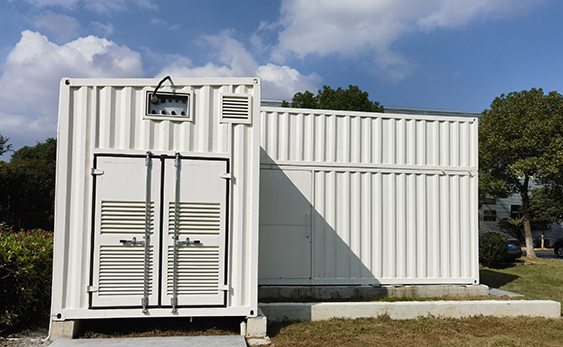
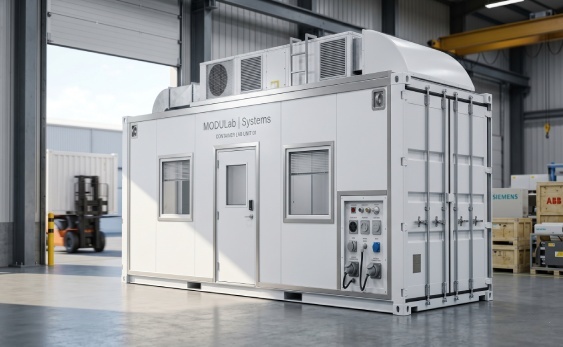
Improve efficiency: The design of the modular laboratory makes the experimental process smoother, can reduce the time and labor costs of experimental operations, and improve the efficiency of experiments. Strong flexibility: The design of the modular laboratory allows the laboratory space and equipment to be flexibly configured and expanded, and can be adjusted and optimized according to different experimental needs. High safety: The modular laboratory can realize real-time monitoring and recording of the experimental process, and can promptly discover and solve problems that arise during the experiment to ensure the safe conduct of the experiment. Environmental protection and energy saving: Modular laboratories can rationally plan space layout and improve space utilization. At the same time, environmentally friendly materials and equipment can be used to reduce the impact of the laboratory on the environment. Easy to manage: Modular laboratories can realize intelligent control and online monitoring of the laboratory environment, which can reduce the cost and errors of manual operations and improve laboratory management efficiency. In short, modular laboratories have the characteristics of high efficiency, high flexibility, high safety, environmental protection and energy saving, and easy management, which can provide better support and guarantee for scientific research work. Newly developed products:Modular Clean room、prefab clean rooms、prefab clean rooms、Portable laboratory and box laboratory etc.
What are the core evaluation benchmarks for a modular cleanroom investment in 2026? Learn how advanced panel design, adaptive airflow integration, and certified quality parameters combine to meet the strict updates of modern regulatory compliance. .article-content, #top-preview-text { font-family: 'Segoe UI', Roboto, -apple-system, sans-serif !important; line-height: 1.8 !important; color: #1a1a1a !important; max-width: 1000px !important; margin: 0 auto !important; text-align: left !important; font-size: 2.1rem !important; } #top-preview-text { display: block !important; margin-bottom: 2.3rem !important; font-weight: 500 !important; } .article-content p, .article-content li, .article-content td, .article-content th { font-size: 2.1rem !important; margin-bottom: 2.3rem !important; font-weight: 400 !important; } .article-content h1 { font-size: 3.2rem !important; color: #14532d !important; line-height: 1.2 !important; margin: 1.5rem 0 2rem 0 !important; font-weight: 800 !important; } .article-content h2 { font-size: 2.6rem !important; color: #14532d !important; margin-top: 4rem !important; margin-bottom: 2.5rem !important; border-bottom: 4px solid #16a34a !important; padding-bottom: 12px !important; font-weight: 700 !important; } .article-content h3 { font-size: 2.3rem !important; color: #14532d !important; margin-top: 2.5rem !important; font-weight: 700 !important; } .article-content .table-container { overflow-x: auto !important; margin: 3rem 0 !important; border: 1px solid #dcfce7 !important; border-radius: 15px !important; } .article-content table { width: 100% !important; border-collapse: collapse !important; background: #f0fdf4 !important; } .article-content th { background-color: #dcfce7 !important; color: #14532d !important; font-weight: 800 !important; padding: 22px !important; text-align: left !important; border: 1px solid #dcfce7 !important; } .article-content td { padding: 22px !important; border: 1px solid #dcfce7 !important; color: #1a1a1a !important; } .article-content .img-placeholder { width: 100% !important; height: auto !important; border-radius: 18px !important; margin: 3.5rem 0 !important; box-shadow: 0 10px 30px rgba(22, 163, 74, 0.2) !important; border: 1px solid #dcfce7 !important; display: block !important; } .article-content a { color: #16a34a !important; text-decoration: none !important; border-bottom: 3px solid #dcfce7 !important; transition: all 0.2s !important; } .article-content a:hover { border-bottom: 3px solid #16a34a !important; background-color: #f0fdf4 !important; } .article-content .faq-item { margin-bottom: 3.5rem !important; padding-bottom: 2rem !important; border-bottom: 1px solid #f0fdf4 !important; } .article-content .faq-question { font-weight: 800 !important; color: #16a34a !important; display: block !important; margin-bottom: 12px !important; font-size: 2.1rem !important; } .article-content .faq-answer { color: #14532d !important; display: block !important; font-size: 1.8rem !important; margin-bottom: 0...
What are the strategic pillars of a modular laboratory facility cost evaluation in 2026? Uncover how integrating advanced prefab modules alongside verified quality validation pathways maximizes spatial asset valuation under the latest global regulatory updates. .article-content, #top-preview-text { font-family: 'Segoe UI', Roboto, -apple-system, sans-serif !important; line-height: 1.8 !important; color: #1a1a1a !important; max-width: 1000px !important; margin: 0 auto !important; text-align: left !important; font-size: 2.1rem !important; } #top-preview-text { display: block !important; margin-bottom: 2.3rem !important; font-weight: 500 !important; } .article-content p, .article-content li, .article-content td, .article-content th { font-size: 2.1rem !important; margin-bottom: 2.3rem !important; font-weight: 400 !important; } .article-content h1 { font-size: 3.2rem !important; color: #14532d !important; line-height: 1.2 !important; margin: 1.5rem 0 2rem 0 !important; font-weight: 800 !important; } .article-content h2 { font-size: 2.6rem !important; color: #14532d !important; margin-top: 4rem !important; margin-bottom: 2.5rem !important; border-bottom: 4px solid #16a34a !important; padding-bottom: 12px !important; font-weight: 700 !important; } .article-content h3 { font-size: 2.3rem !important; color: #14532d !important; margin-top: 2.5rem !important; font-weight: 700 !important; } .article-content .table-container { overflow-x: auto !important; margin: 3rem 0 !important; border: 1px solid #dcfce7 !important; border-radius: 15px !important; } .article-content table { width: 100% !important; border-collapse: collapse !important; background: #f0fdf4 !important; } .article-content th { background-color: #dcfce7 !important; color: #14532d !important; font-weight: 800 !important; padding: 22px !important; text-align: left !important; border: 1px solid #dcfce7 !important; } .article-content td { padding: 22px !important; border: 1px solid #dcfce7 !important; color: #1a1a1a !important; } .article-content .img-placeholder { width: 100% !important; height: auto !important; border-radius: 18px !important; margin: 3.5rem 0 !important; box-shadow: 0 10px 30px rgba(22, 163, 74, 0.2) !important; border: 1px solid #dcfce7 !important; display: block !important; } .article-content a { color: #16a34a !important; text-decoration: none !important; border-bottom: 3px solid #dcfce7 !important; transition: all 0.2s !important; } .article-content a:hover { border-bottom: 3px solid #16a34a !important; background-color: #f0fdf4 !important; } .article-content .faq-item { margin-bottom: 3.5rem !important; padding-bottom: 2rem !important; border-bottom: 1px solid #f0fdf4 !important; } .article-content .faq-question { font-weight: 800 !important; color: #16a34a !important; display: block !important; margin-bottom: 12px !important; font-size: 2.1rem !important; } .article-content .faq-answer { color: #14532d !important; display: block !important; font-size: 1.8rem !important; ma...
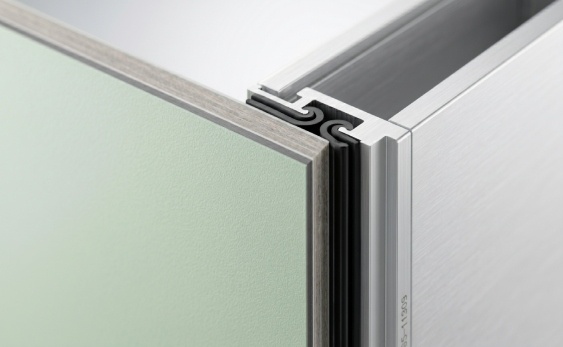
What are the 2026 industrial evaluation standards for cleanroom wall panels under new ISO and GMP updates? Discover how factory-prefabricated sandwich composites and advanced inert finishes achieve flawless Airborne Molecular Contamination compliance. .article-content, #top-preview-text { font-family: 'Segoe UI', Roboto, -apple-system, sans-serif !important; line-height: 1.8 !important; color: #1a1a1a !important; max-width: 1000px !important; margin: 0 auto !important; text-align: left !important; font-size: 2.1rem !important; } #top-preview-text { display: block !important; margin-bottom: 2.3rem !important; font-weight: 500 !important; } .article-content p, .article-content li, .article-content td, .article-content th { font-size: 2.1rem !important; margin-bottom: 2.3rem !important; font-weight: 400 !important; } .article-content h1 { font-size: 3.2rem !important; color: #14532d !important; line-height: 1.2 !important; margin: 1.5rem 0 2rem 0 !important; font-weight: 800 !important; } .article-content h2 { font-size: 2.6rem !important; color: #14532d !important; margin-top: 4rem !important; margin-bottom: 2.5rem !important; border-bottom: 4px solid #16a34a !important; padding-bottom: 12px !important; font-weight: 700 !important; } .article-content h3 { font-size: 2.3rem !important; color: #14532d !important; margin-top: 2.5rem !important; font-weight: 700 !important; } .article-content .table-container { overflow-x: auto !important; margin: 3rem 0 !important; border: 1px solid #dcfce7 !important; border-radius: 15px !important; } .article-content table { width: 100% !important; border-collapse: collapse !important; background: #f0fdf4 !important; } .article-content th { background-color: #dcfce7 !important; color: #14532d !important; font-weight: 800 !important; padding: 22px !important; text-align: left !important; border: 1px solid #dcfce7 !important; } .article-content td { padding: 22px !important; border: 1px solid #dcfce7 !important; color: #1a1a1a !important; } .article-content .img-placeholder { width: 100% !important; height: auto !important; border-radius: 18px !important; margin: 3.5rem 0 !important; box-shadow: 0 10px 30px rgba(22, 163, 74, 0.2) !important; border: 1px solid #dcfce7 !important; display: block !important; } .article-content a { color: #16a34a !important; text-decoration: none !important; border-bottom: 3px solid #dcfce7 !important; transition: all 0.2s !important; } .article-content a:hover { border-bottom: 3px solid #16a34a !important; background-color: #f0fdf4 !important; } .article-content .faq-item { margin-bottom: 3.5rem !important; padding-bottom: 2rem !important; border-bottom: 1px solid #f0fdf4 !important; } .article-content .faq-question { font-weight: 800 !important; color: #16a34a !important; display: block !important; margin-bottom: 12px !important; font-size: 2.1rem !important; } .article-content .faq-answer { color: #14532d !important; display: block !important; font-size: 1.8rem !important; margin-botto...
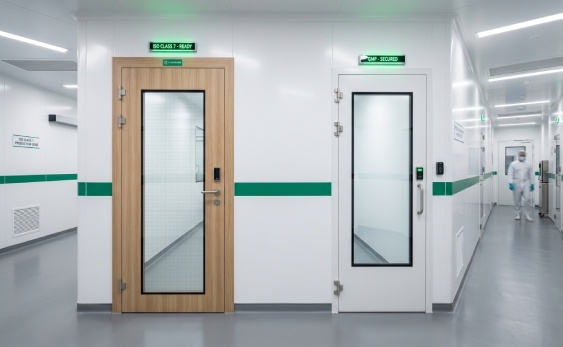
How do 2026 ISO 14644 and revised GMP standards impact your choice between HPL doors vs steel doors? Explore WONCLEAN’s engineering guide to choosing the optimal flush-mounted containment barrier for high-frequency VHP disinfection cycles. Strategic Engineering Guide: Choosing Between HPL Doors vs Steel Doors in 2026 Controlled Environments In 2026, the global life sciences sector demands unprecedented levels of contamination control, prompting a highly critical technical evaluation of structural barriers: cleanroom doors. As an industry-leading cleanroom manufacturer, WONCLEAN develops specialized modular components designed to integrate flawlessly with advanced cleanroom partition systems. The updated 2026 Annex 1 mandates and rigorous ISO 14644-1 revisions require facility architects to carefully weigh the distinct structural benefits of a premium cleanroom hpl door against a heavy-duty cleanroom steel door to prevent localized differential pressure failures and microbial retention. Why Do 2026 ISO and GMP Revisions Dictate Your Selection of HPL Doors vs Steel Doors? The updated 2026 compliance landscape focuses heavily on the elimination of micro-refuges for biological matter and the endurance of structural materials against aggressive sanitization. Modern biological safety laboratories (BSL-3/BSL-4) and advanced sterile filling lines rely on automated, high-concentration Vaporized Hydrogen Peroxide (VHP) and continuous chlorine dioxide gaseous decontamination cycles. Traditional multi-piece frame designs are obsolete in 2026; both material variants must be engineered with co-planar, zero-clearance, completely flush geometries. The choice between these two structural skins determines the long-term integrity of your airtight seal, structural deflection rates under negative pressure, and resistance to chemical micro-fissuring over multi-year validation periods. What Technical Specifications Define the Structural Integrity of HPL Doors vs Steel Doors? Extracted from WONCLEAN’s 2026 global pharmaceutical project matrix and technical submittals, this definitive parametric comparison details the structural engineering variations required to achieve full cleanroom certification under the latest regulatory mandates. Technical Evaluation Parameter HPL Doors Specification Matrix Steel Doors Specification Matrix Core Chemical Composition Thermosetting phenolic resins with kraft layers fused at 150°C and 10 MPa Hot-dip galvanized steel sheet cladding over aluminum honeycomb core VHP Sterilization Resilience (2026) High surface tolerance; requires proprietary polymer resin edge sealing Maximum resistance; unaffected by repeating concentrated gaseous cycles Mechanical Impact Resistance High elasticity index; resists deep surface scratches and blunt deflections Maximum rigidity; susceptible to minor point dents but maintains integrity Acoustic Attenuation Rating Solid core configuration provides standard sound isolation up to 34 dB Rockwool or specialized i...

 Room JT30151, Building 4, Area B, No. 925 Yecheng Road, Industrial Zone, Shanghai,China
 Info@wonclean.com
Allen@wonclean.com
Joy@wonclean.com
Info@wonclean.com
Allen@wonclean.com
Joy@wonclean.com
 +86 13671979988(Allen)+86 15950938878(Joy)


 online service

