






How Do 2026 ISO Standards Shift the Business Decision Matrix for a Modular Laboratory Investment?
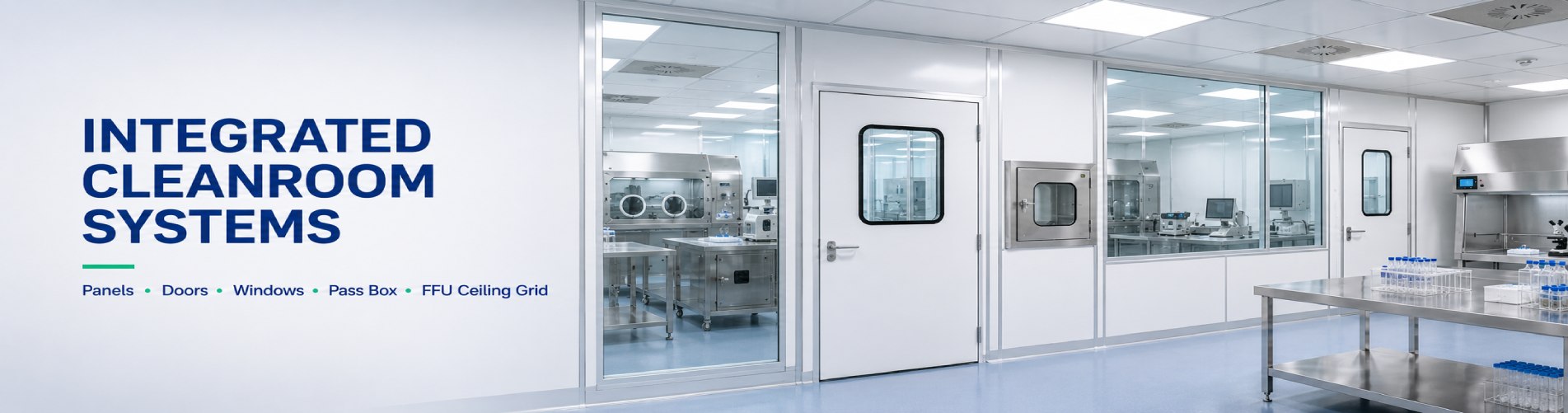
When evaluating infrastructure procurement, integrating a turnkey Modular Cleanroom envelope significantly optimizes long-term facility asset scalability. Every high-efficiency Modular laboratory configuration requires rapid custom adjustment to keep pace with changing scientific research profiles. For decentralized biological testing programs, deploying a structural Container Laboratory provides immediate localized contamination containment without the expense of building standard field infrastructure. Partnering with a specialized cleanroom manufacturer guarantees that modular structural elements interact seamlessly with internal process equipment. Furthermore, procuring a verified industrial Quality Certificate protects the business venture by ensuring the entire structure completely satisfies updated regional regulatory rules.
What Are the Core Regulatory Drivers Shifting 2026 Facility Budgets?
The commercial framework governing diagnostic environments changed dramatically during the early months of 2026. The widespread deployment of the revised ISO 14644 and upgraded European Union GMP Annex 1 guidelines means facility investments are analyzed on operational stability rather than raw building material costs. Traditional brick-and-mortar facilities frequently suffer from lengthy commissioning intervals because irregular wall surfaces trap micro-particles.
Conversely, specialized modular panel systems utilize precision interlocking construction to eliminate micro-cracking risks during vaporized hydrogen peroxide disinfection treatments. Minimizing validation risks allows facilities to begin active testing much sooner, which changes initial capital deployment calculations into positive early operational revenues.
Why Does Pre-Engineered Component Geometry Reduce On-Site Facility Labor Expenditures?
Traditional field building methods require different construction trades to manually adjust components on site, often leading to unpredictable labor overruns. Our factory-controlled fabrication process cuts through this complexity by shifting precision machining tasks to automated production lines. Wall panel intersections, integrated returns, and utility channels are pre-milled before shipment.
This methodical planning turns the final field build into a fast assembly sequence. A multi-room layout that typically required multiple weeks of construction can be reliably assembled in days. This quick deployment schedule allows clinical groups to hit critical milestones ahead of schedule.
Which Material Parameters Lower Long-Term Operational Utility Costs?
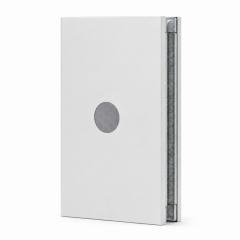
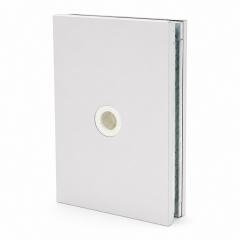
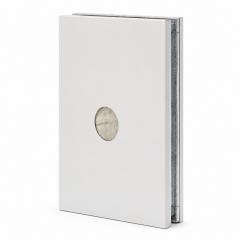
Modern diagnostic instrumentation places a steady, substantial cooling load on internal environment controls. To maintain targeted microclimates efficiently, the surrounding enclosure panels must provide superior insulation performance. Standard installations feature premium 50 mm steel-jacketed polyurethane cores with airtight tongue-and-groove side seams.
This construction provides a low thermal conductivity rating of 0.022 W/m·K and keeps air leaks under 0.1% during high-pressure testing. Maintaining excellent thermal insulation prevents heat exchange across rooms, lowering structural chiller electricity bills by 15% and keeping inside temperatures exceptionally stable.
What Is the Exact CAPEX and OPEX Advantage of Modular Systems?
| Performance Characteristic | Traditional Building Construction | Wonclean Modular Standard | Strategic Financial Impact |
|---|---|---|---|
| Initial Validation Time | 14 to 28 Business Days | 2 to 3 Business Days | Generates operational revenue weeks ahead of schedule |
| Air Seal Tightness (1000 Pa) | Variable air gap leak risks | Less than 0.1% overall leakage | Lowers annual environmental control costs by 15% |
| Layout Modification Costs | Requires demolition and rebuilding | Interchangeable panel components | Enables spatial reconfigurations with zero scrap waste |
| Asset Investment Depreciation | Fixed structural capital loss | Relocatable equipment asset | Preserves capital equity value across corporate relocations |
How Does Mobile Container Architecture Solve Decentralized Infrastructure Bottlenecks?
When clinical groups need field-testing capabilities quickly, standard building models are often too slow to deploy. Shifting to heavy-duty container designs resolves these delays by providing an instantly transportable testing footprint. These structures are fully fitted out with interior panels, filtration systems, and monitoring controls before they leave our shipping dock.
This self-contained layout protects delicate equipment during transit across international logistics routes. Once on site, regional teams simply connect power and utility mains to begin operation, bypassing localized construction material shortages.
Why Does a Unified Supply Chain Relationship Protect Corporate Strategic Ventures?
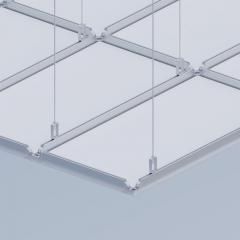
Managing separate contracts for wall panels, ceiling tracks, and air handlers frequently creates communication gaps when system adjustments are needed. Our integrated production approach eliminates this project risk by handling the entire engineering and manufacturing process under one roof. Every components matches perfectly, from structural framing to mechanical gaskets.
This coordinated manufacturing approach ensures every component satisfies the same rigorous quality criteria. Buyers receive a single, comprehensive warranty that covers all interconnected structural elements, streamlining long-term maintenance and ensuring clear accountability.


 online service

