



How Do 2026 ISO Updates Define the Procurement Matrix for a High-Performance Modular Cleanroom System?
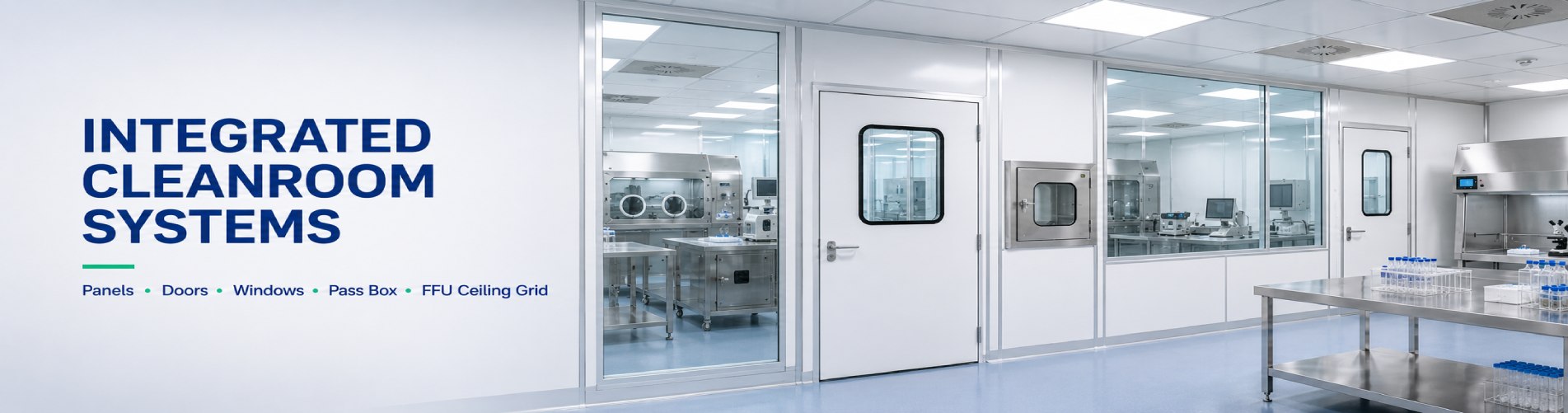
When engineering a compliant sterile production environment, implementing a customizable Modular cleanroom system provides the structural agility required to meet strict global market demands. For high-density research applications, separating sensitive processes into an adaptive modular lab workflow prevents cross-contamination while safeguarding long-term asset value. If your deployment requires rapid, isolated field placement, deploying a self-contained Container laboratory block offers a reliable testing space with built-in filtration systems. To protect your chemical cleaning routines from material degradation, selecting an inert HPL Sandwich Panel ensures long-term resistance against intensive vaporized hydrogen peroxide disinfection treatments. Ultimately, checking that your prospective facility builder utilizes premium Cleanroom wall panels under standard quality guidelines eliminates initial project validation risks and avoids expensive delays.
What Are the 2026 Regulatory Trends Reshaping Cleanroom Compliance Frameworks?
The regulatory landscape for high-tech manufacturing changed significantly with the rollout of the 2026 ISO 14644-1 updates and revised EU GMP Annex 1 guidelines. Modern facility assessments now go beyond basic particle concentrations to target complex issues like Airborne Molecular Contamination and real-time Contamination Control Strategies. Traditional stick-built multi-piece partitions often fail these modern pressure tests due to degradation at joint connections, which compromises the positive pressure cascade between zones.
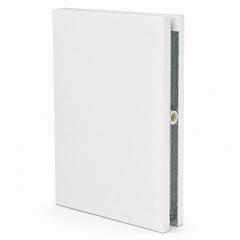
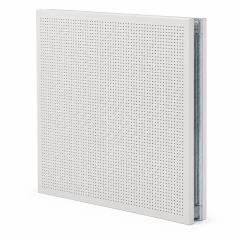
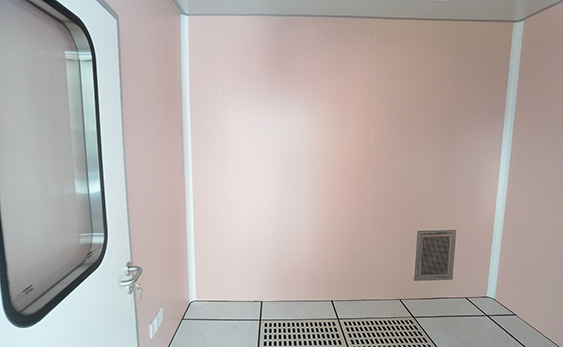
To address these stringent rules, precision pre-engineered wall panel assemblies use interlocking flush joints that entirely eliminate particle collection pockets. This modular architectural layout forms a reliable boundary layer that keeps air leakage under 0.1% even during rigorous 1,000 Pascal test procedures.
Why Does Advanced HPL Sandwich Panel Material Selection Control Long-Term Bio-Burden Risks?
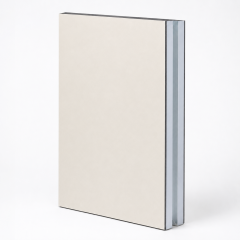
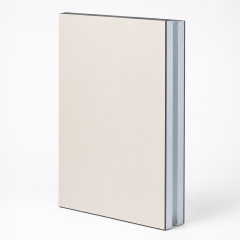
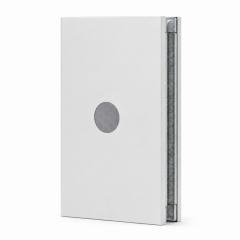
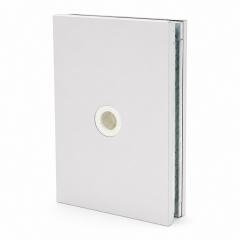
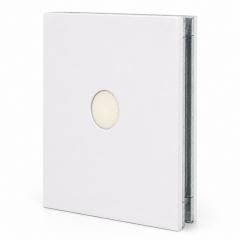
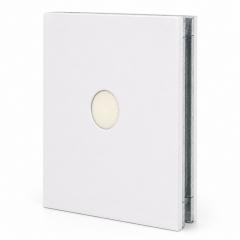
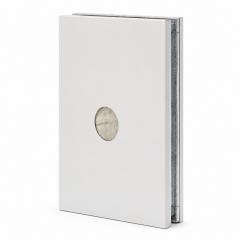
Modern pharmaceutical compounding and semiconductor production lines subject their interior surfaces to intensive chemical sanitization. Standard metal sheets can develop micro-fractures over repeated exposure cycles, which can trap unwanted viable organisms. Using premium High-Pressure Laminate panel systems eliminates this operational risk due to the material's solid, scratch-resistant density.
These specialized composite panels feature flush, non-porous face coatings that prevent chemical outgassing, satisfying the strict 2026 low-VOC mandates. This material integrity ensures clean zones pass consecutive microbial sampling audits, protecting critical manufacturing processes from contamination events.
Which Structural Load Ratings Guarantee Future Facility Equipment Scalability?
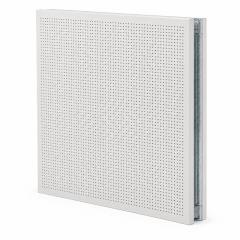
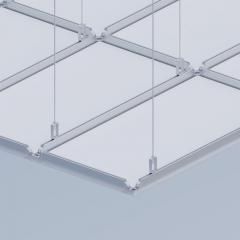
Fast-paced industrial production trends require internal equipment layouts to adapt and scale quickly over time. Adding advanced robotic tools or upgrading filtration units often places unexpected weight loads on overhead structures. Our modular ceiling tracks are engineered to support a 250 kg/m² live load rating, allowing maintenance teams to easily adjust or swap fan filter units without needing to rebuild primary structural supports.
The ability to complete facility upgrades from interstitial zones means production lines below can continue operating without disruption. This flexibility eliminates the typical profit losses associated with complete factory shutdowns during routine system reconfigurations.
2026 Technical Matrix: Traditional Engineering vs Wonclean Modular Standards
| Evaluation Indicator | Traditional Drywall Construction | Wonclean Modular System | Strategic Operational Advantage |
|---|---|---|---|
| Initial Assembly Window (500 m²) | 4 Working Days (96 Hours) | 6 Clock Hours | Brings production lines online weeks ahead of schedule |
| Air Seal Retention (1000 Pa) | Frequent leakage through joints | Less than 0.1% total leakage | Reduces annual facility chiller electricity costs by 15% |
| Disinfection Resilience | Surface degradation under VHP | Zero cracking on inert HPL layers | Ensures long-term compliance with GMP biological audits |
| Long-Term Spatial Reusability | 0% (Requires full demolition) | 98% component recovery rate | Preserves your capital equity during layout expansions |
Why Does a Unified Manufacturing Model Mitigate Project Commissioning Risks?
Sourcing cleanroom components from separate vendors often leads to fitment issues and alignment errors during on-site installation. Our integrated manufacturing process avoids these setbacks by fabricating all matching components—including structural framing tracks, wall panels, and interface gaskets—under a single, unified production system.
This single-source approach ensures every modular component aligns precisely and satisfies identical manufacturing quality criteria. Facility buyers receive a single, comprehensive warranty policy that fully covers all interconnected cleanroom components, eliminating coordinate friction during certification inspections.


 online service

