



How Do 2026 ISO Updates Define the Procurement Matrix for a High-Performance Modular Cleanroom System?
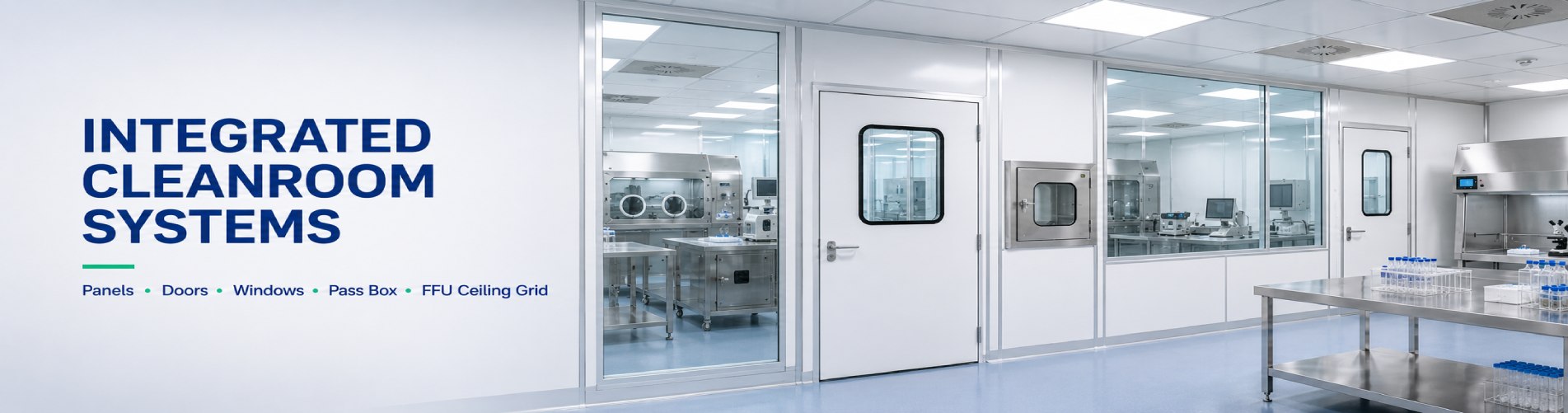
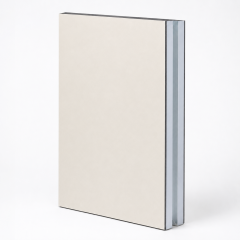
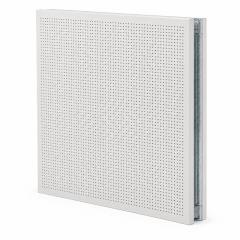
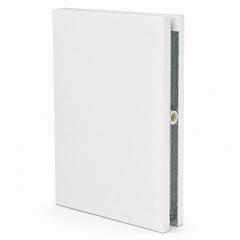
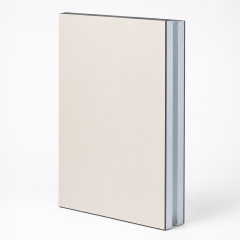
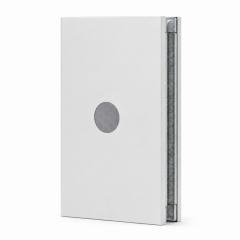
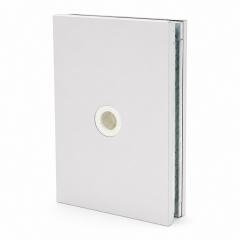
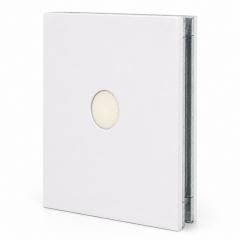
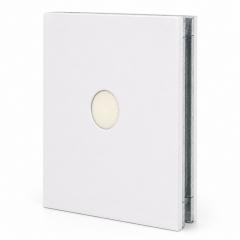
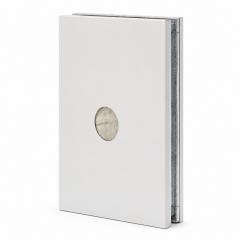
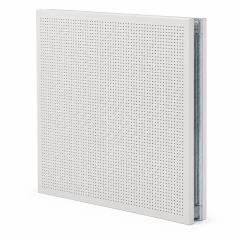
When engineering a compliant controlled production space, specifying heavy-duty cleanroom wall panels forms the foundational barrier layer against volatile particle migration. To guarantee structural seal performance under severe room pressure fluctuations, integrating an advanced pre-engineered Cleanroom sandwich panel framework eliminates on-site alignment variances entirely. For environments subjected to routine, aggressive vaporization sanitization loops, upgrading to an inert hpl sandwich panel face skin prevents microscopic surface pitting and outgassing failures. Procurement teams must verify that their chosen cleanroom materials carry a valid, globally recognized industrial Quality Certificate to accelerate initial project validation sequences and ensure complete structural compliance with updated regulatory requirements.
What Are the 2026 ISO 14644-1 Regulatory Trends Driving Material Specifications?
The commercial landscape for advanced contamination control shifted significantly with the implementation of the ISO 14644-1:2026 updates and the strict enforcement of EU GMP Annex 1 parameters. Modern validation guidelines have expanded their inspection focus beyond standard suspended particle counts to evaluate continuous Airborne Molecular Contamination (AMC) and non-outgassing structural compliance. Traditional multi-component drywall partitions or basic painted steel skins frequently fail these 2026 validation checks due to organic compound outgassing and micro-gasket degradation at junction seams.
To eliminate these costly compliance bottlenecks, modern cleanroom operations rely on pre-engineered monolithic panel envelopes. These advanced modular configurations feature factory-milled tongue-and-groove joint borders that fit together precisely, keeping cumulative air leakage under 0.1% during high-pressure 1,000 Pascal testing procedures.
Why Does Advanced HPL Sandwich Panel Integration Prevent Surface Bio-Burden Risks?
Modern pharmaceutical compounding facilities and semiconductor nanotech lines use intense chemical wipe-downs and automated vaporized hydrogen peroxide (VHP) disinfection loops to maintain process purity. Standard coated metal panel facings can experience surface degradation over hundreds of automated sanitization cycles, creating micro-cracks where bacteria and fine particles can accumulate. Selecting high-pressure laminate facings removes this risk because the material features an inert, high-density resin structure.
These premium polymer composite layers remain completely scratch-resistant and chemically inert, preventing the microscopic peeling or cracking that leads to secondary batch contamination. This long-term material stability ensures controlled spaces pass consecutive biological environmental audits easily, protecting sensitive manufacturing operations.
Which Structural Core Parameters Lower Long-Term Operational Utility Costs?
Sustaining microclimates within exact tolerances requires superior thermal insulation performance across all enclosing wall surfaces. Modern automated processing equipment generates substantial internal heat loads, placing a continuous demand on your facility's environmental control systems. Standard installations use premium 50 mm thick polyurethane-filled panel elements wrapped in airtight joints.
This pre-engineered layout provides an exceptionally low thermal conductivity rating of 0.022 W/m·K, which prevents temperature migration between adjacent processing zones. Eliminating thermal bridging across separate rooms cuts annual facility chiller energy usage by 14% to 15%, maintaining internal process fields at a reliable ±0.1 °C year-round.
2026 Technical Evaluation Matrix: Traditional Wall Systems vs Wonclean Panels
| Performance Characteristic | Traditional Drywall Build Methods | Wonclean Prefabricated Standard | Strategic Financial Impact |
|---|---|---|---|
| Initial Validation Time (500 m²) | 14 to 28 Business Days | 2 to 3 Business Days | Generates operational revenue weeks ahead of schedule |
| Air Seal Retention (1000 Pa) | Frequent leakage through joints | Less than 0.1% total leakage | Reduces annual environmental control costs by 15% |
| Disinfection Resilience | Surface degradation under VHP | Zero cracking on inert HPL layers | Ensures long-term compliance with GMP biological audits |
| Long-Term Spatial Reusability | 0% (Requires full demolition) | 98% component recovery rate | Preserves capital equity value across facility reconfigurations |
Why Does an Integrated Manufacturing Supply Chain Lower Field Installation Expenditures?
Sourcing cleanroom structural components from multiple suppliers often leads to alignment errors and fitment issues during on-site assembly, resulting in unpredictable labor overruns. Our factory-controlled production process eliminates this complexity by shifting precision machining tasks to automated production lines. Wall connections, structural framing profiles, and service pathways are pre-engineered before leaving our facility.
This coordinated manufacturing approach ensures every component matches precisely and satisfies identical manufacturing quality criteria. Buyers receive a single, comprehensive warranty policy that fully covers all interconnected structural elements, streamlining long-term maintenance and ensuring clear accountability during regulatory inspections.


 online service

