What are you looking for?
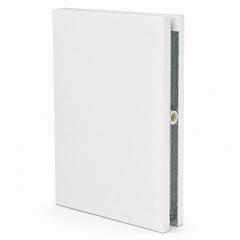
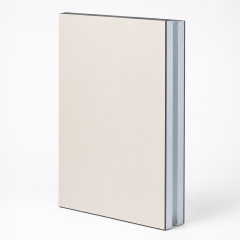
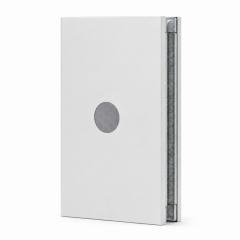
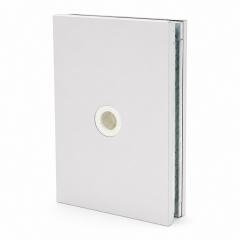
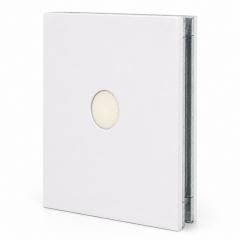
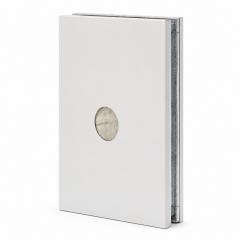
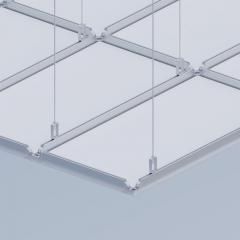
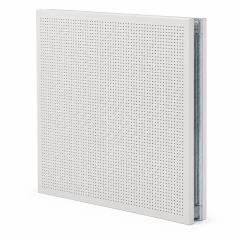
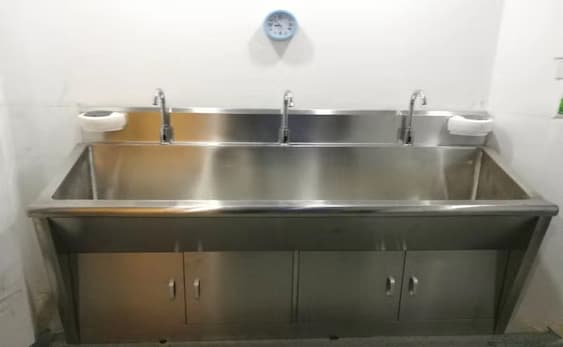
In the planning and construction of modern chemical laboratories, the selection of furniture directly impacts experimental efficiency and operational safety. Suitable laboratory furniture must not only withstand the corrosion from chemical reagents but also provide researchers with a safe and efficient working platform. Addressing this core requirement, Wonclean specially introduces professional solutions for chemistry lab furniture and laboratory table with sink, offering comprehensive support for various types of laboratories. The Cornerstone of Safe and Durable Lab Operations Professional chemistry lab furniture forms the foundation for safe laboratory operations. This type of furniture is manufactured using materials with excellent corrosion resistance, such as epoxy resin countertops and stainless steel structures, enabling them to resist erosion from various acidic and alkaline chemical reagents. Wonclean's laboratory furniture series emphasizes ergonomic design, ensuring tidy and organized experimental operation areas through reasonable functional zoning and robust structural design. Simultaneously, it meets ergonomic requirements, effectively enhancing researchers' comfort and work efficiency. Workstation with Integrated Water Supply and Drainage Systems The laboratory table with sink, integrated with water supply and drainage systems, brings significant convenience to experimental operations. This type of laboratory bench is not only equipped with corrosion-resistant sink components but also ensures smooth water supply and drainage through scientific pipeline layout. The laboratory sink tables provided by Wonclean adopt an integrated design, with seamless connections between the countertop and the sink, preventing liquid leakage and bacterial growth. Additionally, they provide ample operating space and storage areas, perfectly meeting the needs of chemical experiments and cleaning processes that require frequent water use. In summary, whether it is the basic configuration of chemistry lab furniture or the specialized laboratory table with sink, both are indispensable components in building a modern laboratory. Leveraging its in-depth understanding of laboratory requirements and extensive project implementation experience, Wonclean can provide customers with comprehensive services ranging from product selection to spatial planning, helping to create a safe, efficient, and compliant laboratory working environment. { "@context": "http://schema.org", "@type": "Article", "headline": "Essential Solutions For Chemical Laboratories-www.wonclean.com", "author": { "@type": "Person", "url": "https://www.wonclean.com/", "name": "Wonclean" }, "image": "https://www.wonclean.com/uploadfile/news/46fb03d5e378aae7c7badcce2e8bba8d.jpg", "articleBody": "In the planning and construction of modern chemical laboratories,the selection of furniture directly impacts experimental efficiency and operational safety. Suitable labora...
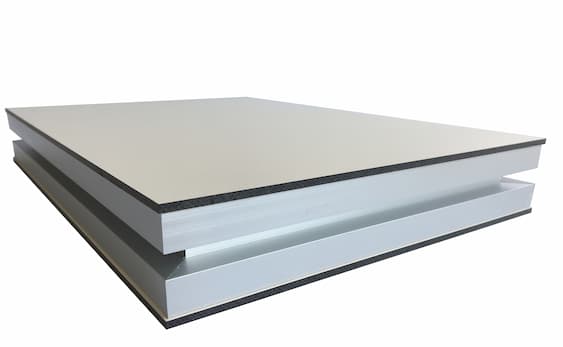
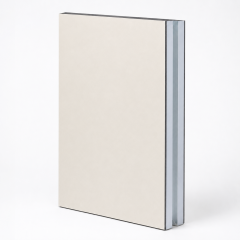
In the field of cleanroom construction, the choice of materials directly impacts the cleanliness classification and operational efficiency of the entire environment. Wonclean is committed to providing customers with the most advanced wall and ceiling solutions. Among these, hpl sandwich panel and pur panel, as two core materials, have become ideal choices for various application scenarios due to their unique performance advantages. Exceptional Surface Durability and Structural Integrity The High-Pressure Laminate (HPL) sandwich panel stands out for its exceptional durability and ease of cleaning. Its surface, made of high-pressure laminate, offers high hardness, wear and scratch resistance, and can withstand the erosion of various chemical reagents, making it highly suitable for clean areas that require frequent cleaning and strict hygiene standards. The honeycomb or rock wool core structure inside the panel ensures flatness while providing good mechanical strength, sound insulation, and thermal insulation performance, creating a durable and stable operating environment for the cleanroom. Outstanding Thermal Insulation with Safety and Energy Efficiency The Polyurethane (PUR/PIR) sandwich panel is renowned for its outstanding thermal insulation performance. Thanks to the continuous closed-cell structure of the PUR core, this panel has an extremely low thermal conductivity coefficient, effectively reducing the energy consumption of the cleanroom. Additionally, the PUR panel offers excellent sealing and moisture resistance. It is lightweight, easy to install, and demonstrates good flame retardancy in fire scenarios, providing an enclosure solution that combines safety and energy efficiency for high-standard cleanrooms. In summary, whether it is the hpl sandwich panel pursued for ultimate durability and chemical resistance, or the pur panel focused on high-efficiency thermal insulation and energy saving, both play an indispensable role in modern cleanroom construction. Leveraging its professional technical team and extensive project experience, Wonclean can provide the most appropriate panel selection and customized solutions based on your specific needs, helping you build a safe, efficient, and compliant clean space. { "@context": "http://schema.org", "@type": "Article", "headline": "Setting New Standards For Cleanroom Panels: The Superior Performance Of HPL And PUR Panels-www.wonclean.com", "author": { "@type": "Person", "url": "https://www.wonclean.com/", "name": "Wonclean" }, "image": "https://www.wonclean.com/uploadfile/news/2fcf7acc4a05181102eb8d4b70b04c4e.jpg", "articleBody": "In the field of cleanroom construction,the choice of materials directly impacts the cleanliness classification and operational efficiency of the entire environment. Wonclean is co" }
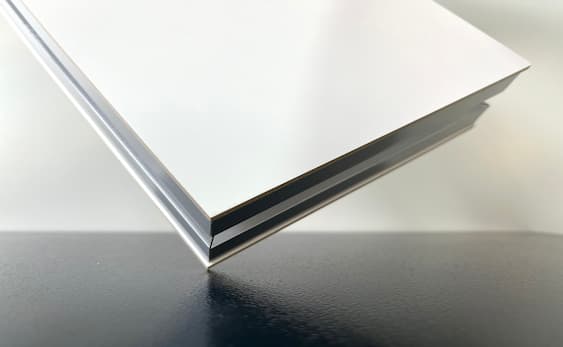
Clean room design often faces a core challenge: maintaining strict segregation between different zones while accommodating access needs for equipment movement and process adjustments. Traditional fixed partition walls often struggle to balance these conflicting requirements, making flexible and innovative partition solutions crucial in modern clean room planning. The easily removable area on a clean room partition wall and full glass partition wall represent ideal solutions for achieving this dynamic balance. Temporary Access Portal, Flexible Passage The easily removable area on a clean room partition wall provides the ultimate solution for large equipment or material passage requirements. This flexible opening module maintains complete sealing and flush integration with the surrounding partition during normal operations, ensuring airtight integrity and cleanliness standards. When equipment replacement, process upgrades, or bulk material transfer becomes necessary, it can be quickly and safely removed to create a temporary access point, significantly reducing construction downtime and contamination risks associated with modifying fixed walls. Wonclean's removable area solutions incorporate precision locking and sealing mechanisms that ensure performance identical to the original wall when closed, providing solid assurance for production continuity and future flexibility. Transparent Visibility, Unobstructed Monitoring In comparison, the full glass partition wall for clean rooms maximizes visual access while maintaining physical segregation. Utilizing high-strength tempered or laminated glass, it creates transparent and bright spatial boundaries that not only enhance natural lighting and reduce oppressive feelings but also enable managers to monitor production status at a glance, facilitating real-time supervision and team collaboration. More importantly, its exceptionally smooth surface is non-particulating, corrosion-resistant, and easy to clean and disinfect, fully complying with stringent clean room standards. Wonclean's full glass partition wall systems ensure structural safety and airtightness classification while creating a modern, highly transparent excellent working environment for clean rooms. In summary, an efficient modern clean room environment requires forward-thinking spatial division design. Both the easily removable area on clean room partition walls designed for dynamic adaptation and the full glass clean room partition walls employed to enhance visual communication and monitoring represent advanced design concepts that transcend traditional fixed thinking. As your professional clean room partner, Wonclean provides comprehensive services from design consultation to product integration, helping you build a future-ready clean space that is both strictly controlled and highly adaptable. { "@context": "http://schema.org", "@type": "Article", "headline": "Flexible Partition Solutions: Balancing Segregation And Access In Cleanrooms-www...
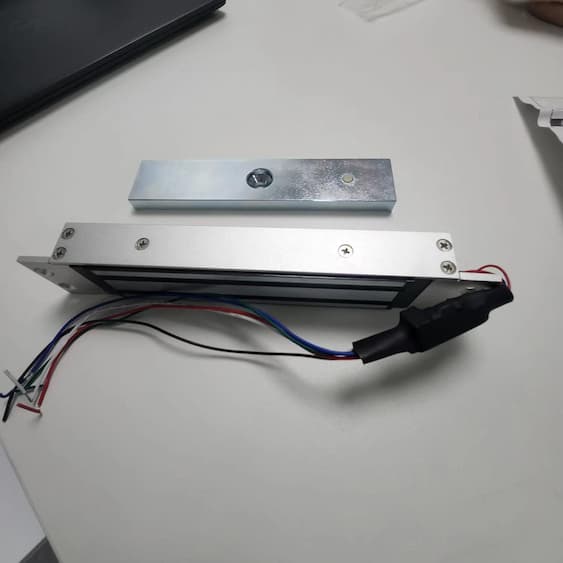
In daily cleanroom operations, preventing cross-contamination and maintaining stable environmental parameters are core challenges. A minor oversight can lead to particle ingress or pressure differential imbalance, potentially compromising an entire production batch. To address these issues, it is crucial to focus on key components that control personnel flow and the integrity of physical barriers. Manage Airflow, Eliminate Cross-Contamination The cleanroom door interlock system serves as the primary defense for ensuring airtight isolation between zones. This electromechanical system guarantees that only one door can be opened at a time, effectively preventing cross-contamination caused by air convection. The interlock systems provided by wonclean offer high reliability and can integrate seamlessly with your cleanroom management system, providing real-time access records and traceable data support for stringent production protocols. Protective Viewing Panels for Safety and Cleanliness Glass film for windows provides a critical protective solution for a often-overlooked vulnerability: the observation window. Scratches, abrasion, or the risk of glass breakage in these panels pose significant contamination and safety risks. The application of this dedicated film is an efficient and cost-effective countermeasure. It significantly enhances the glass's impact resistance, preventing shattering, while its anti-scratch surface facilitates easy and thorough cleaning and disinfection. This ensures the long-term maintenance of cleanliness and clarity. In summary, a truly reliable clean environment depends on precise control over every detail. From the access control enforced by the cleanroom door interlock system to the reinforced safety provided by protective glass film for windows, these solutions collectively build an invisible line of defense. As your trusted cleanroom partner, wonclean is committed to providing such critical components and integrated solutions, helping you safeguard the integrity of your clean environment in a smarter and more assured manner. { "@context": "http://schema.org", "@type": "Article", "headline": "Key Solutions In Door Interlocks And Viewing Panels For Cleanroom Integrity-www.wonclean.com", "author": { "@type": "Person", "url": "https://www.wonclean.com/", "name": "Wonclean" }, "image": "https://www.wonclean.com/uploadfile/news/00f8023c1b2f01b8b7ad51f7638c7376.jpg", "articleBody": "In daily cleanroom operations,preventing cross-contamination and maintaining stable environmental parameters are core challenges. A minor oversight can lead to particle ingress or" }
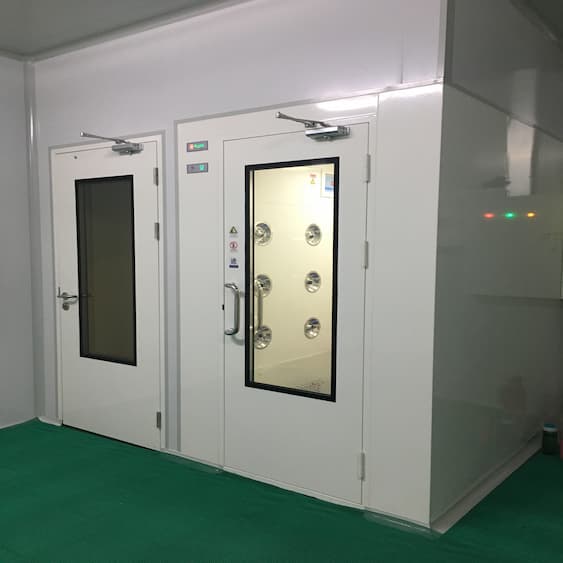
As a leading provider of cleanroom solutions, Wonclean is proud to supply two critical devices that help maintain stringent cleanliness standards in controlled environments: the pass box clean room and the clean room air shower. These components are vital for minimizing contamination during material transfer and personnel entry, ensuring that industries such as pharmaceuticals, biotechnology, microelectronics, and food processing can achieve and sustain the high levels of purity required for their sensitive operations. By integrating these tools, facilities can significantly reduce the introduction of airborne particles and contaminants. Item Transfer Security The pass box clean room is an indispensable auxiliary device designed for the transfer of small items between clean areas, or between clean and non-clean areas, effectively reducing the number of times the main cleanroom doors need to be opened. Crafted from materials like stainless steel for easy cleaning and durability, it features interlocking doors (either electronic or mechanical) that prevent both ends from being opened simultaneously, thus avoiding cross-contamination between spaces . Options include self-purifying models and those equipped with UV germicidal lamps for sterilization of the interior and items, making it a versatile and secure transfer point for various cleanroom applications. Personnel Decontamination Access On the other hand, the clean room air shower is a specialized personnel and material air purification device, serving as a primary entryway to remove surface particles from personnel and goods before they enter the clean space . Utilizing high-efficiency particulate air (HEPA) filters, it generates high-speed jets of clean air (with outlet (wind speed) reaching over 25m/s) from multi-angle nozzles, effectively dislodging contaminants like dust and hair from clothing . This equipment also functions as an effective airlock through its electronically interlocked doors, preventing unpurified outside air from entering the clean area and thereby preserving the integrity of the controlled environment . With the integration of the reliable pass box clean room for safe material transfers and the efficient clean room air shower for thorough personnel decontamination, Wonclean offers a comprehensive approach to safeguarding your cleanroom's atmosphere. We are confident that our equipment will empower your facility to operate at the highest standards of hygiene and productivity. We invite potential partners and clients to reach out to our team for detailed product information and customized solutions tailored to your specific cleanroom needs. { "@context": "http://schema.org", "@type": "Article", "headline": "Wonclean Introduces Essential Cleanroom Equipment: Pass Box And Air Shower-www.wonclean.com", "author": { "@type": "Person", "url": "https://www.wonclean.com/", "name": "Wonclean" }, "image": "https://www.w...
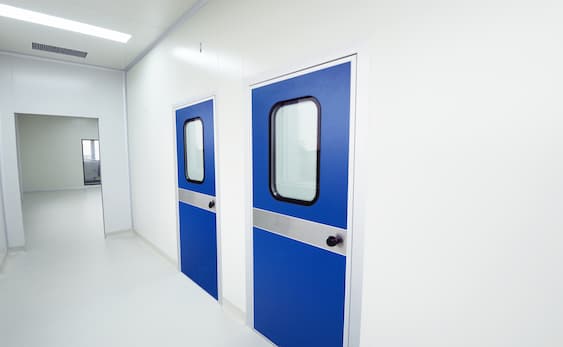
Leading cleanroom solution provider Wonclean today announced a comprehensive upgrade of its cleanroom door product line, focusing on three core pillars: automation, durability, and lightweight design, by launching a series of high-performance door solutions. This initiative aims to provide global clients in the biopharmaceutical, semiconductor, and electronics industries with more precise and reliable access control for their clean environments, ensuring the safety and stability of production facilities. Cleanroom Automatic Sliding Doors: For Hands-Free Access Our cleanroom automatic sliding doors incorporate advanced smart sensor technology, enabling truly hands-free access. This not only significantly reduces the risk of cross-contamination caused by human operation but also effectively maintains the stability of internal airflow and pressure differentials within the cleanroom. Their smooth and efficient operation makes them ideally suited for high-traffic passageways and is the perfect choice for enhancing the automation and intelligence levels of high-grade cleanrooms. Stainless Steel Clean Room Doors: For Demanding Environments For areas requiring extreme durability and sterile conditions, Wonclean's stainless steel clean room doors offer an unparalleled solution. Constructed from full 304 or 316 stainless steel, they provide exceptional corrosion resistance. Their seamless design and smooth surface ensure easy, no-dead-angle cleaning and sterilization. This product strictly adheres to GMP standards, serving as a robust barrier in demanding environments such as pharmaceutical manufacturing, food processing, and high-end laboratories. Aluminum Cleanroom Door: A Lightweight & Cost-Effective Choice For clients seeking an optimal balance between cost-effectiveness and superior performance, our aluminum cleanroom door series demonstrates significant advantages in its lightweight nature and high strength. The aluminum alloy material offers excellent rust and corrosion resistance, alongside a modern appearance and sturdy structure. This series provides flexible customization options, allowing it to be perfectly adapted for various standard clean areas and electronics industry workshops, representing a reliable and cost-effective long-term operational solution. A spokesperson for Wonclean stated, "We deeply understand the critical role a single door plays in maintaining the integrity of the entire clean environment. This focused upgrade and emphasis on our three core door categories reflect our 'customer-scenario-centric' innovation philosophy. We believe that whether it's the intelligence of cleanroom automatic sliding doors, the robustness of stainless steel clean room doors, or the adaptability of the aluminum cleanroom door, Wonclean is positioned to become the most trusted partner for global clients building the factories of the future. { "@context": "http://schema.org", "@type": "Article", "headline": "Upgrade Cleanroom...

 Room JT30151, Building 4, Area B, No. 925 Yecheng Road, Industrial Zone, Shanghai,China
 Info@wonclean.com
Allen@wonclean.com
Joy@wonclean.com
Info@wonclean.com
Allen@wonclean.com
Joy@wonclean.com
 +86 13671979988(Allen)+86 15950938878(Joy)


 online service

