What are you looking for?
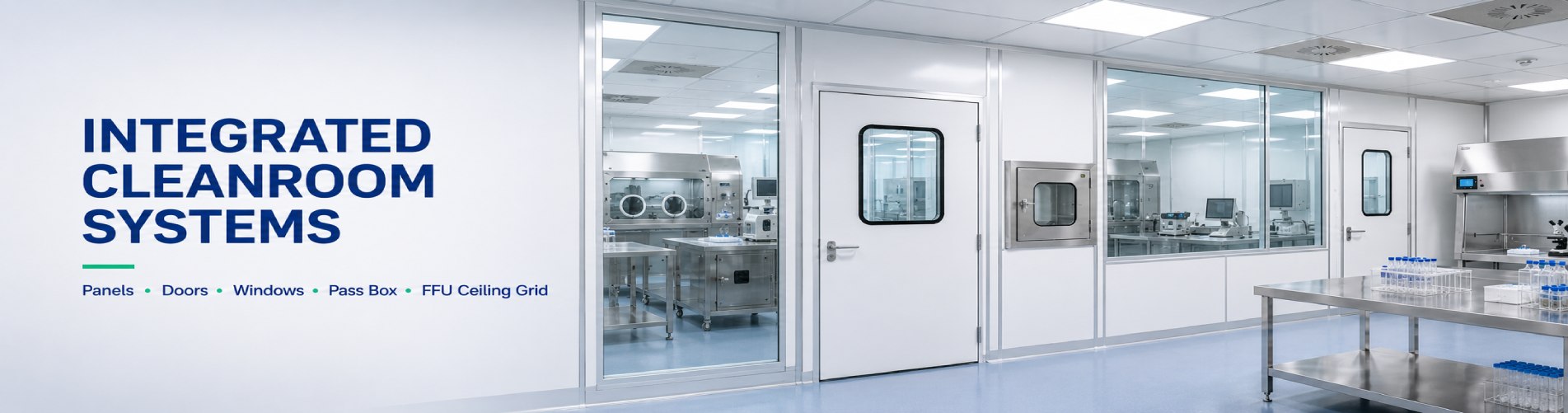






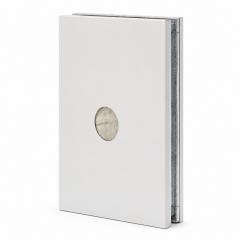

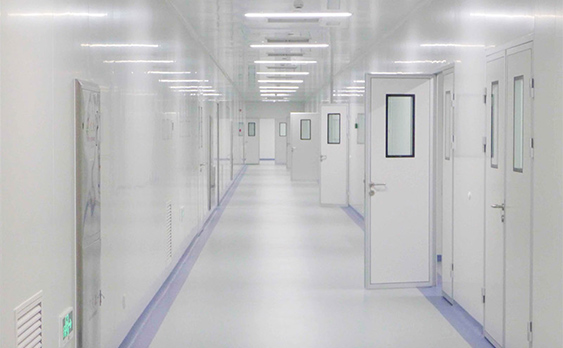
Clean Room Doors: Focus on Quality and Advanced Design Clean room doors are a key component in maintaining a clean environment from outside contamination. As part of a clean room system, they play an important role in ensuring the highest standards of cleanliness and operational efficiency. Today, there are many excellent clean room door manufacturers offering a variety of door styles to meet the needs of various industries and applications. Stainless steel clean room doors are one of the most popular types on the market today. This kind of door has excellent anti-corrosion properties and long-term durability, and is suitable for various clean environments. The manufacturer uses high-quality stainless steel materials in the design and manufacturing process to ensure the door's sturdiness and protective properties to meet strict hygiene and cleanliness requirements. Sliding doors are also an option widely used in clean rooms. Its unique sliding design saves space and provides easier entry and exit. This type of door typically features advanced automation systems that ensure smooth operation and reliability while providing superior cleanliness and sealing. Laboratory door manufacturers specialize in designing high-quality doors for research and laboratory environments. These doors are engineered to meet the needs of laboratory workflows while providing excellent sealing and cleanliness. Manufacturers invest a lot of effort in material selection, structural design and process manufacturing to ensure efficient operation and reliability of laboratory doors in various environments. In emergency situations, interactive doors with emergency access become crucial. The emergency opening and closing functions and the design of the emergency passage enable this type of door to quickly isolate the clean room in an emergency, ensuring the safety of personnel. Manufacturers provide trusted emergency door solutions by combining innovative technology with reliable build quality. The design of clean room doors is also increasingly focusing on combining aesthetics and functionality. Manufacturers not only provide doors that meet cleanliness requirements, but also pay attention to the appearance and overall design of the door. By combining the elegant look of the material with modern design elements, clean room doors not only meet practical needs but also add a touch of sophistication and class to a clean environment. In conclusion, clean room door manufacturers strive to provide door styles with superior quality, reliability and innovative designs. Whether they are stainless steel clean room doors, sliding doors or doors with emergency functions, they all play an important role in a variety of environments. Whether it's a laboratory or a clean room, these doors are a critical element in maintaining cleanliness, increasing productivity and ensuring safety.
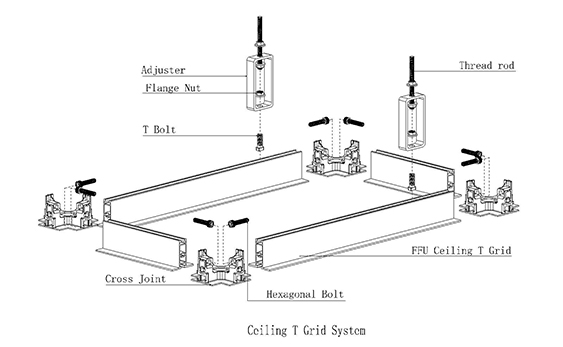
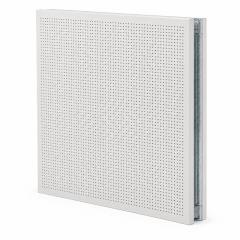
In modern science and technology, sterile and clean environments are crucial for laboratory and industrial production. To ensure these environments are highly clean and dust-free, a key element is the cleanroom ceiling grid system. The clean room ceiling grid is made of aluminum alloy and adopts advanced design and technology to meet strict cleanliness requirements. Aluminum ceilings offer excellent performance and durability. They effectively resist corrosion and oxidation and are lightweight and strong, making them ideal for use in cleanroom environments. The clean room ceiling grid adopts a T-slot design, often called "T-slot", which provides a stable support structure and convenient installation. Bottom-loaded ceiling grids are a common design that is characterized by ease of installation and maintenance. It consists of primary T-beams and secondary cross-beams that are capable of carrying a variety of cleanroom ceiling panels and other accessories. This design also provides easy access, making replacement and repair of ceiling panels quick and easy. Cleanroom ceiling grids also have other important features, such as excellent sealing and sound insulation. They effectively control air flow and sound transmission, ensuring quiet and comfortable laboratory and production environments. Clean room false ceiling is an important part of the clean room ceiling grid. They come in a variety of panel materials such as polyurethane sandwich panels or other suitable materials to provide a clean, easy-to-clean and anti-microbial surface. These panels are typically flat, dust-free and static-free, meeting strict cleanliness standards. When it comes to clean room ceiling grids and decorative panels, there are many professional clean room ceiling suppliers and clean room panel manufacturers offering a variety of products and solutions. Clean room ceiling suppliers are able to provide customized design and installation services based on the customer's specific needs and cleanliness levels. In summary, clean room ceiling grids are an important component in ensuring clean and dust-free laboratory and industrial production environments. These premium ceiling systems are constructed from aluminum alloy using advanced design and craftsmanship, combined with a variety of panel materials to provide a clean, easy to install and maintain solution. When selecting cleanroom ceilings and panels, working with professional cleanroom ceiling suppliers and manufacturers ensures compliance with cleanroom requirements and an optimal laboratory environment.
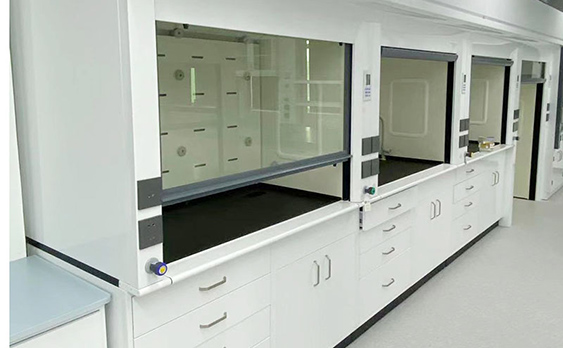
Today, laboratory furniture plays a vital role in scientific research and laboratory environments. High-quality laboratory furniture not only provides good workspace and storage solutions, but also ensures smooth laboratory operations and compliance with strict hygiene and safety requirements. When choosing a laboratory furniture supplier, the following keywords are essential to consider: laboratory furniture suppliers, laboratory cabinet, laboratory furniture manufacturers, laboratory table with sink and laboratory cabinet suppliers. Choosing the right laboratory furniture supplier is crucial. Good suppliers can provide customized furniture solutions for laboratories to meet specific needs and space requirements. Laboratory furniture suppliers should not only have extensive experience but also focus on providing high-quality and durable products. In the selection of laboratory furniture, laboratory cabinets are a key component. These cabinets provide storage space while protecting laboratory equipment and reagents. High-quality laboratory cabinets should be corrosion-resistant, fire-resistant and durable to ensure the safety and durability of the laboratory. Laboratory furniture manufacturers should use high-quality materials and pay attention to detail and craftsmanship. They should have a professional design team that can provide innovative and optimized solutions according to customer needs. A good manufacturer should also offer a flexible product line that can accommodate different sizes and types of laboratories. A laboratory workbench with sink is a very practical furniture choice. These workbenches are usually corrosion-resistant and can be used to clean experimental equipment and materials to ensure laboratory hygiene and safety. Choose a workbench with height adjustability to meet different experimental needs and ergonomic requirements. In addition to the workbench, laboratory cabinets are also essential. Laboratory cabinets provide organized storage space, making experimental materials and reagents easy to organize and access. Well-designed cabinets should have multi-functional features such as adjustable shelves, safety locks, and fire protection to ensure efficient and safe laboratory operations. When choosing a laboratory furniture supplier, give preference to those who can provide a complete solution. They should be able to provide design, manufacturing, installation and after-sales service of laboratory furniture and accessories to ensure smooth progress of the project and long-term support. To sum up, laboratory furniture is an integral part of the laboratory environment. It is crucial to choose a quality laboratory furniture supplier who can provide high-quality, customized solutions. Whether it's lab cabinets, worktops with sinks, or other furniture, focus on quality, durability, and safety. Only by working with reliable suppliers can you provide your laboratory with an ideal working environment. Wonclean:The best laboratory fu...
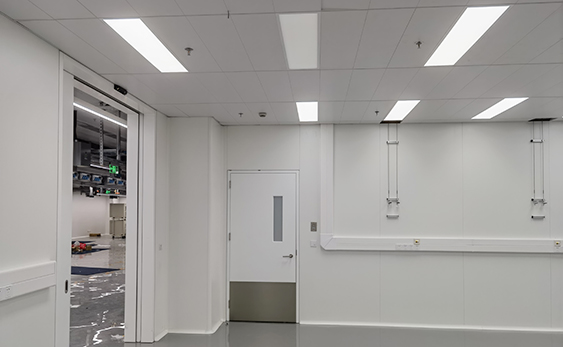
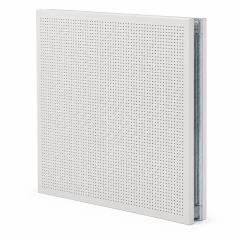
Clean Room Wall System: A Modern Solution for Contamination Control In industries that demand stringent cleanliness standards, such as cleanroom manufacturing companies, industrial clean rooms, clean room laboratories, and clean rooms for semiconductors and pharmaceuticals, the importance of an effective clean room wall system cannot be overstated. These specialized environments require a controlled atmosphere to prevent contamination and ensure the integrity of sensitive processes. One innovative solution that has gained popularity is the use of HPL (high pressure laminate) sandwich panels in cleanroom wall systems. HPL sandwich panelshave emerged as a preferred choice for constructing clean room walls due to their exceptional performance and versatility. These panels consist of a core material encased between two HPL sheets, which provide durability, chemical resistance, and ease of maintenance. The core material is typically made of a high-density particleboard or gypsum, offering excellent insulation properties and structural stability. The use of sandwich panel clean room walls offers several advantages. Firstly, they provide a seamless and smooth surface, minimizing the risk of particle generation and accumulation. This seamless feature not only enhances cleanliness but also simplifies cleaning and decontamination procedures, saving time and effort. Additionally, the chemical resistance of HPL sandwich panels ensures that the walls can withstand harsh cleaning agents and maintain their integrity over time. Clean room panels based on the HPL sandwich panel design are also highly customizable. They can be tailored to meet specific cleanroom requirements, such as different ISO classes or specific industry regulations. With a variety of thicknesses, sizes, and finishes available, cleanroom wall panels can be precisely engineered to achieve the desired performance, aesthetics, and functionality. Furthermore, clean room modular wall systems based on HPL sandwich panels offer flexibility and adaptability. These systems are designed to be easily reconfigurable, allowing for quick and efficient modifications to the clean room layout as needs evolve. This modularity reduces downtime during renovations or expansions, enabling businesses to maintain productivity and minimize disruptions to critical operations. The implementation of cleanroom wall panels in a modular clean room also offers cost savings. Compared to traditional construction methods, modular systems require less time and labor for installation, resulting in reduced project costs. Additionally, the ease of disassembly and reusability of clean room wall panels makes them a sustainable solution, contributing to environmental conservation. In conclusion, clean room wall systems based on HPL sandwich panels have proven to be a modern and effective solution for achieving contamination control in various industries. The use of these panels provides seamless surfaces, chemical resistance, customi...
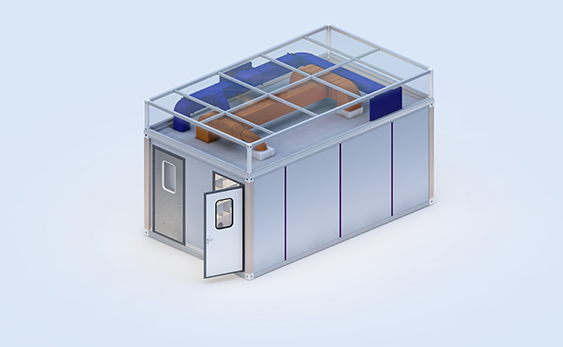
Cleanrooms are controlled environments that are specifically designed to minimize the presence of contaminants such as dust, airborne particles, and microorganisms. They play a vital role in various industries, ensuring the quality of processes and products. With the ever-increasing demand for cleanliness and precision, modular clean rooms have emerged as a groundbreaking solution for cleanroom manufacturing companies across different sectors. Industrial clean rooms provide an optimal environment for manufacturing processes that require high levels of cleanliness and sterility. From semiconductor fabrication to pharmaceutical production, clean rooms play a critical role in ensuring product quality and maximizing yields. However, constructing a traditional clean room can be a complex and time-consuming task. This is where modular clean rooms come into the picture. A modular clean room is a versatile and flexible solution that offers several advantages over conventional clean room construction. These clean rooms are built using pre-fabricated modular panels, which can be easily assembled and disassembled to meet specific requirements. This modular approach significantly reduces construction time and offers greater flexibility for future modifications or expansions. Clean room laboratories are another key application area for modular clean rooms. Research facilities, academic institutions, and even independent laboratories require controlled environments to conduct experiments and tests with precision and accuracy. Modular clean rooms provide the ideal controlled conditions, ensuring stable temperature, humidity, and particle control. Researchers can focus on their scientific endeavors without worrying about external contamination compromising their results. The semiconductor industry heavily relies on clean rooms for the manufacturing of microchips with intricate circuitry. Modular clean rooms are a perfect fit for semiconductor fabrication facilities as they can be tailored to meet the stringent requirements of particle control, electrostatic discharge, and temperature control. These clean rooms effectively minimize defects and increase the yield of high-quality semiconductors, contributing to the advancement of technology. In the pharmaceutical field, clean rooms are essential for the production of drugs and medical devices. Stringent regulations and quality standards dictate that pharmaceutical clean rooms maintain the highest level of cleanliness to ensure the safety and efficacy of the products. Modular clean rooms offer a customizable and cost-effective solution that meets these requirements, enabling pharmaceutical companies to adhere to regulatory guidelines while optimizing their manufacturing processes. Overall, modular clean rooms have revolutionized the way cleanroom environments are designed and constructed. With their adaptability, efficiency, and versatility, they have become indispensable for cleanroom manufacturing companies, indus...
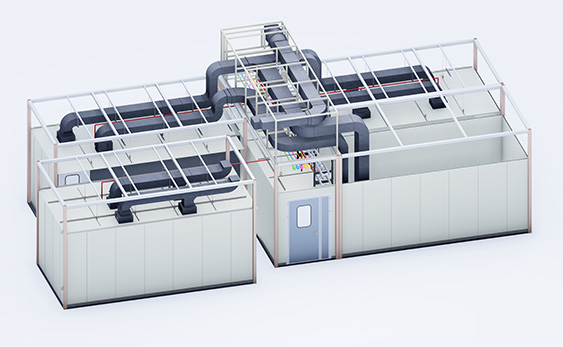
Modular laboratories are an innovative and efficient approach to contemporary scientific research. It minimizes the complexity and high cost of traditional laboratories, providing scientists with a flexible and adaptable research environment. Modular laboratories can be used in a variety of fields, including life sciences, materials science, and environmental science. In the field of life sciences, modular laboratories have extensive and far-reaching applications. Scientists can use modular labs to conduct experiments such as genomics research, protein engineering, and cell culture. The flexibility of modular laboratories allows scientists to quickly set up different experimental environments and conduct efficient data collection and analysis. This provides strong support for researchers to search for new treatments and drugs in the biomedical field. In the field of materials science, modular laboratories also play an important role. Scientists can use modular laboratories to study the synthesis of new materials, physical property testing, and optimization of material properties. The scalability and flexibility of modular laboratories allow scientists to quickly conduct many different experiments, accelerating the development and application of new materials. This is of great significance for promoting the development of materials science and responding to industrial needs. In addition, in the field of environmental science, the application of modular laboratories has also received widespread attention. Scientists can use modular laboratories to conduct monitoring and analysis of environmental pollutants, assessment of ecosystems, and emergency response to environmental emergencies. The portability and efficiency of modular laboratories allow scientists to quickly collect and analyze environmental samples and accurately assess environmental quality. This helps protect the environment, protect biodiversity, and provide a scientific basis for environmental management and decision-making. In summary, modular laboratories demonstrate great application potential in fields such as life sciences, materials science, and environmental science. Its flexibility and efficiency provide scientists with an innovative research platform and promote the progress and application of scientific research. With the continuous advancement of technology, it is believed that modular laboratories will continue to play an important role in the scientific field and make greater contributions to the progress of human society. pharma clean room、pharmaceutical cleanrooms、lab shipping containers and medical device cleanrooms etc.

 Room JT30151, Building 4, Area B, No. 925 Yecheng Road, Industrial Zone, Shanghai,China
 Info@wonclean.com
Allen@wonclean.com
Joy@wonclean.com
Info@wonclean.com
Allen@wonclean.com
Joy@wonclean.com
 +86 13671979988(Allen)+86 15950938878(Joy)


 online service

