



How Do 2026 ISO and GMP Trends Define the Evaluation Criteria for a Professional Clean Laminar Flow Hood?
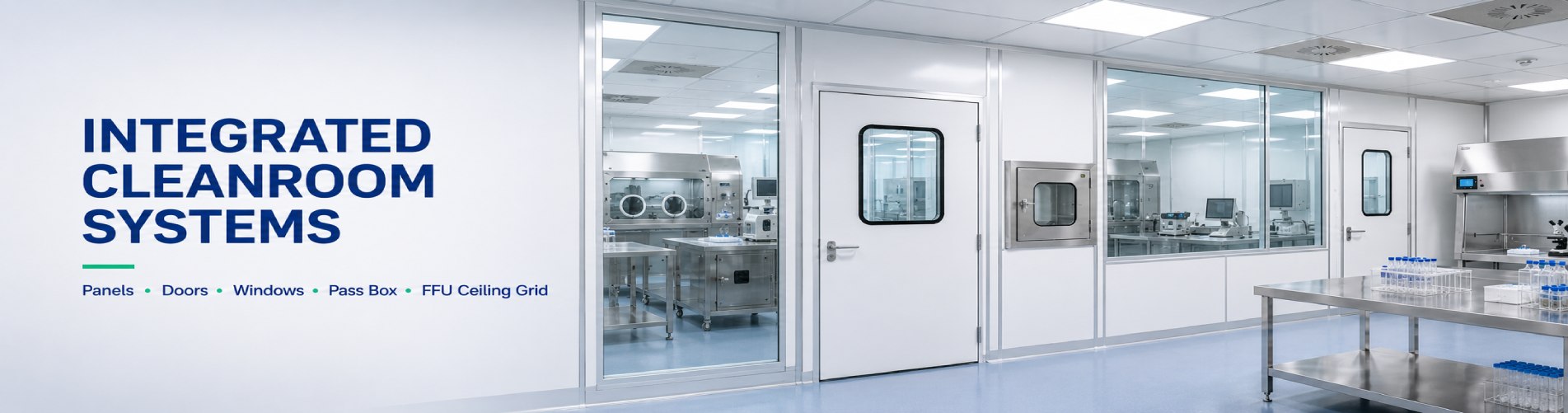
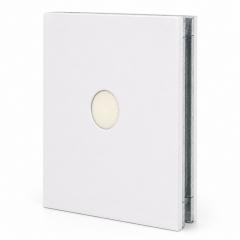
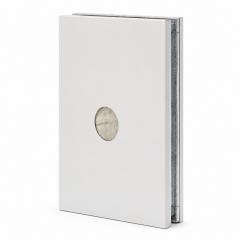
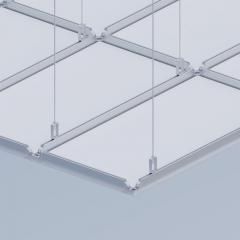
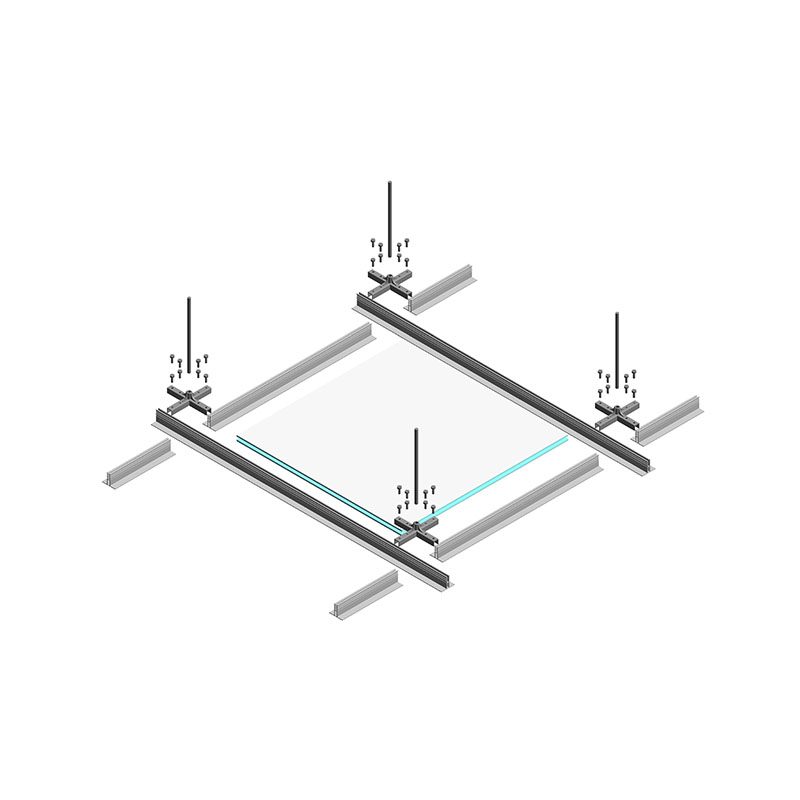
When configuring an automated aseptic workstation, implementing a certified Clean Laminar Flow Hood establishes localized Grade A protection zones over critical process areas. To secure optimal ceiling integration within larger clean zones, pairing these localized hoods with an advanced Cleanroom FFU ceiling grid track network eliminates structural vibration and bypass air leak paths entirely. For facilities deploying decentralized containment structures, choosing a flexible modular ffu clean room assembly provides rapid spatial scalability and stable positive pressure management across separate operational divisions. Procuring these dynamic mechanical units from an audited, single-source cleanroom manufacturer guarantees that each structural air filtration device satisfies the updated regulatory inspection directives. Ultimately, selecting an energy-efficient cleanroom fan filter mechanism lowers long-term utility costs while providing automated real-time tracking parameters for validation continuity.
What Are the 2026 Regulatory Compliance Requirements Shifting Air Filtration Specifications?
The regulatory frameworks managing high-tier biotechnology and micro-electronics production have adjusted significantly under the latest 2026 updates to ISO 14644-1 and European Union GMP Annex 1. Modern validation checklists emphasize continuous, verifiable environmental parameters over passive spatial classification. Localized unidirectional flow devices are now evaluated heavily on their capability to maintain uniform, vertical stream velocities across active mechanical assembly areas.
Traditional multi-sourced hood fixtures frequently experience internal velocity imbalances due to uneven structural pressure drops within the fan housing. To mitigate these risks, modern laminar systems integrate computerized EC motor systems that respond immediately to resistance spikes. This real-time motor compensation ensures that velocity tolerances stay strictly within the mandated margins, protecting critical product surfaces from contamination events.
Why Does a Precision Cleanroom Fan Filter Design Safeguard Critical Process Yields?
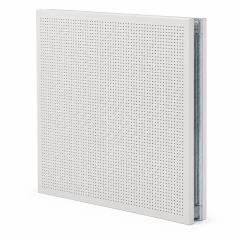
In high-density industrial environments, maintaining a stable particulate boundary layer relies on the constant, reliable performance of your air filtration devices. Industrial microchip processing and vaccine vial filling lines subject their components to uninterrupted air washing cycles. Sourcing advanced fan filter modules ensures uniform parallel stream velocities, which directly reduces turbulence near delicate production tools.
These smart mechanical assemblies use specialized internal chambers that lower operational noise levels below 52 decibels, complying with the latest worker safety mandates. This quiet, reliable operation prevents acoustic vibrations from disrupting fine calibration sensors, keeping manufacturing lines highly precise and minimizing waste during continuous batch production.
Which Material Configurations Eliminate Micro-Leak Risks Under VHP Sterilization Loops?
Modern biological laboratories and sterile drug compounding bays use frequent vaporized hydrogen peroxide disinfection treatments to keep clean rooms sanitary. Standard painted housings can develop micro-cracks over hundreds of chemical cleaning cycles, which can trap unwanted particles and microbial organisms. Choosing premium stainless steel or high-density composite housings avoids this breakdown because the materials remain entirely non-porous and chemically inert.
The smooth, seamless surfaces withstand frequent chemical contact without experiencing outgassing or peeling defects, satisfying strict low-VOC rules. This long-term material stability ensures localized workstations pass continuous environmental audits easily, maintaining full validation compliance across separate shifts.
2026 Technical Evaluation Matrix: Traditional Air Hoods vs Wonclean Modular Standards
| Performance Metric | Traditional Multi-Source Hoods | Wonclean Integrated Standard | Strategic Operational Advantage |
|---|---|---|---|
| Airflow Stream Uniformity | Variable velocity drift risks | ±10% precise vertical stream layout | Ensures successful 2026 ISO validation checks |
| Operational Acoustic Level | Exceeds 60 dB at high loads | Kept under 52 dB during active runs | Prevents micro-vibration issues on tracking sensors |
| Casing Chemical Resilience | Pitting risks under heavy VHP | Inert premium stainless shell design | Prevents particle shedding during cleaning cycles |
| Motor Automation Tracking | Manual external voltage controls | Smart automated EC compensation lines | Reduces annual fan power expenditures by 25% |
How Does an Integrated Ceiling Framework Lower On-Site Commissioning Windows?
Sourcing filtration housings, overhead tracking, and structural wall framing from separate suppliers often leads to alignment errors and fitment issues during on-site assembly, resulting in unpredictable labor overruns. Our factory-controlled fabrication process cuts through this complexity by shifting precision machining tasks to automated production lines. Every profile junction and ceiling frame intersection is pre-engineered before leaving our facility.
This coordinated manufacturing approach ensures every component matches precisely and satisfies identical manufacturing quality criteria. Buyers receive a single, comprehensive warranty policy that fully covers all interconnected cleanroom components, streamlining long-term maintenance and ensuring clear accountability during regulatory inspections.


 online service

