What are you looking for?
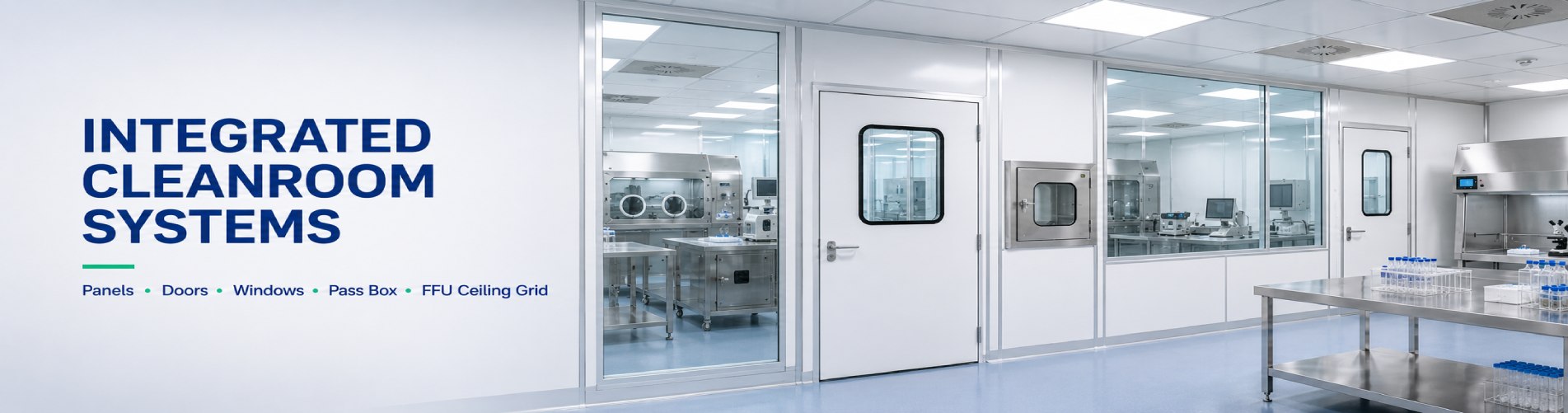
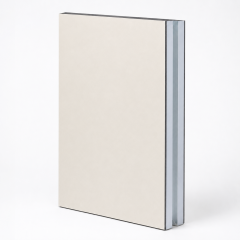

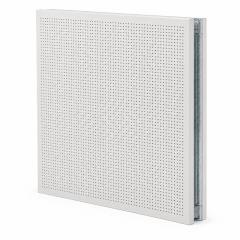
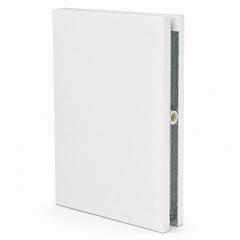
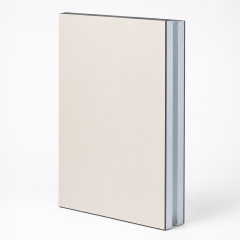
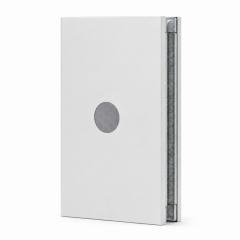
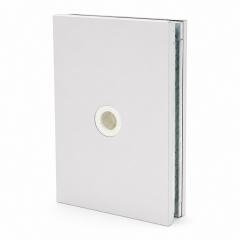
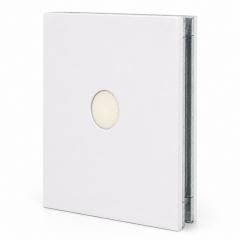
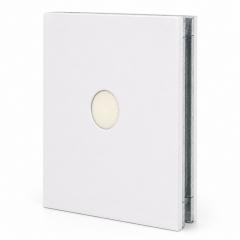
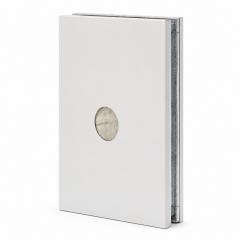
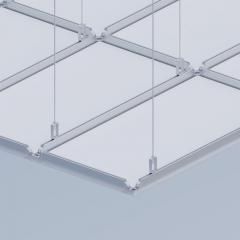
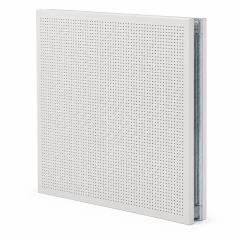
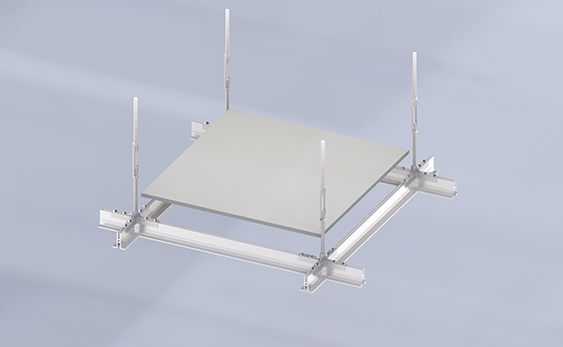
The construction of modern clean rooms focuses on various aspects, among which the design and selection of clean room ceilings play a vital role. Cleanroom ceilings not only need to provide efficient filtration and ventilation functions, but also have durability and ease of cleaning to ensure the stability of the clean environment and the achievement of hygienic standards. Among ceiling materials, clean room ceiling panels are a vital component. Cleanroom ceiling panels, also known as cleanroom ceiling panels, are high-performance products specifically designed to suit cleanroom environments. They are usually made of high-quality materials such as aluminum alloy, stainless steel and refractory plates. These clean room ceiling panels have excellent antibacterial and antifouling properties, effectively resisting the growth of microorganisms and the accumulation of pollutants, ensuring air quality in the clean room and cleanliness of the work environment. The design of the clean room ceiling panels is also very important. Clean room ceiling panels are often modular in design for ease of installation and maintenance. They are combined with the cleanroom ceiling grid structure to form a strong, stable ceiling system. This kind of system can not only support the weight of the ceiling panel, but also provide a certain amount of space for hiding wires, pipes and other equipment, making the entire clean room layout more tidy and beautiful. The selection of clean room ceiling panels also needs to take into account the specific requirements of the clean room. For example, some clean rooms require special anti-static properties, so ceiling panels with anti-static coatings can be selected. Additionally, some cleanrooms may require higher levels of filtration, which may require the selection of ceiling panels with higher filtration efficiency. For the material selection and design of clean room ceilings, you can consult professional clean room ceiling manufacturer Wonclean. Wonclean can provide the best solutions according to the specific requirements of the clean room, and provide high-quality clean room ceiling panels and supporting equipment. In summary, clean room ceiling panels play an important role in modern clean room construction. They not only provide structural support and space concealment functions, but also provide efficient filtration and ventilation performance, ensuring clean room hygiene standards and the stability of the working environment. By working with professional manufacturers to select suitable materials and designs, cleanroom ceiling panels will become one of the indispensable elements in cleanroom construction.
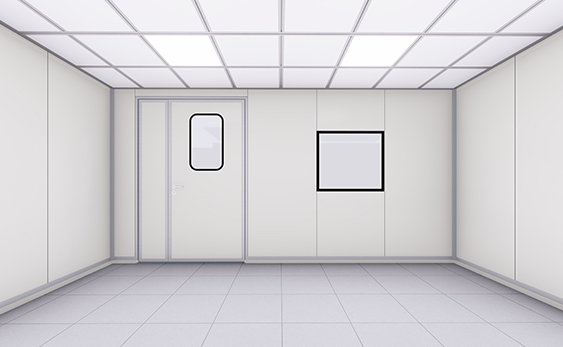
Clean room wall panels: a key component to creating an efficient clean environment Clean room wall panels are one of the important elements in achieving a clean room environment. As an indispensable equipment in the fields of modern scientific research, manufacturing and production, it plays an important role in maintaining a clean environment, controlling pollution and ensuring product quality. This article will focus on clean room wall panels and discuss their importance in clean room systems. Clean room wall panels, also known as clean panels, are high-performance building materials specifically designed for use in clean rooms. Its main features are solid structure, dustproof, antibacterial, easy to clean and corrosion resistance. Clean room wall panels can be used to separate different areas in the clean room, such as production areas, operating areas, and purification areas. At the same time, wall panels can also be used to construct the ceiling of a clean room to provide comprehensive clean environment coverage. Clean room wall panels are typically multi-layered, with the critical layers typically constructed of high-pressure laminate (HPL). HPL is a material with a wear-resistant surface, rich colors, easy to clean, and excellent fire resistance and durability. It can effectively resist the intrusion of pollutants and reduce the growth of bacteria in clean rooms. In addition, clean room wall panels should also have certain insulation and sound insulation capabilities to ensure temperature and sound control in the clean room. When selecting cleanroom wall panels, factors such as material quality, wear resistance, ease of installation, and adaptability should be considered. To ensure the efficiency and consistency of your clean room system, it is recommended to choose high-quality clean room wall panels and obtain products through a reliable clean room wall panel manufacturer you work with. In addition to wall panels, other key components in clean room systems include clean room partition walls, clean room partitions, clean room sandwich panels, and mobile container laboratory designs. These components together form a complete clean room system, providing a full range of clean environment protection. In summary, as an important part of the clean room system, clean room wall panels play a key role in protecting product quality and creating a clean working environment. By selecting the appropriate cleanroom wall panels and working with a reliable manufacturer, you can ensure efficient operation of your cleanroom system and ongoing maintenance of your clean environment.
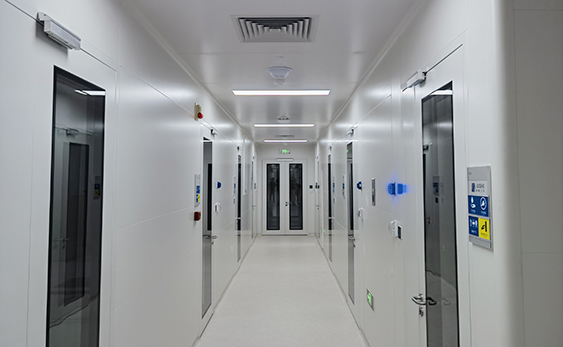
In the field of modern technological manufacturing, clean rooms (clean) are widely used to ensure the high quality and purity of products and experiments. The wall system of the clean room is an important part of building an efficient and clean environment. This article will introduce clean room wall systems and focus on the keywords: cleanroom wall panels, clean room partitions, clean room sandwich panel, cleanroom panel manufacturer and mobile container laboratory design. Clean room wall systems bear the key task of maintaining a clean environment. cleanroom wall panels are ideal for constructing cleanroom walls. Carefully designed and manufactured by professional manufacturers, these wall panels offer excellent performance and excellent durability. They are made from high-quality materials and combined with advanced manufacturing technology to ensure clean room reliability and stability. These wall panels have a flat, smooth and easy-to-clean surface that effectively resists the intrusion of dust, contaminants and microorganisms. Clean room partitions are the dividing elements of the interior space of a clean room. They divide the clean room area into different work areas and control areas according to different needs and functions. These partitions not only provide excellent isolation properties but also provide good sound and light control. Through precise design and engineering, manufacturers ensure that these zoning systems work perfectly with the other components of the clean room to achieve optimal performance of the environment inside the clean room. clean room sandwich panelis a wall material with excellent thermal and acoustic insulation properties. The sandwich wall panels are constructed from multiple layers of materials, including a high-density polyurethane foam core and two layers of metal panels, both inside and out. This structure not only helps effectively isolate outside noise and temperature changes, but also provides long-lasting durability and strong structural stability. Cleanroom panel manufacturer uses advanced technology and production processes to produce high-quality sandwich wall panels to meet the needs of various clean environments. The mobile container laboratory is an innovative design that combines clean room technology with a laboratory environment. This design allows the laboratory to be quickly deployed where needed and has the cleanliness and control requirements of a clean room. These mobile container laboratories offer highly customizable options to meet the needs of different types of experiments and research projects. Its structure and equipment design comply with strict clean environment standards and can be adapted according to experimental requirements. In the world of clean technology, the choice of a cleanroom wall system is a decision about quality and success. From cleanroom wall panels to clean room partitions, from clean room sandwich panels to cleanroom panel manufacturers, to mobile container...
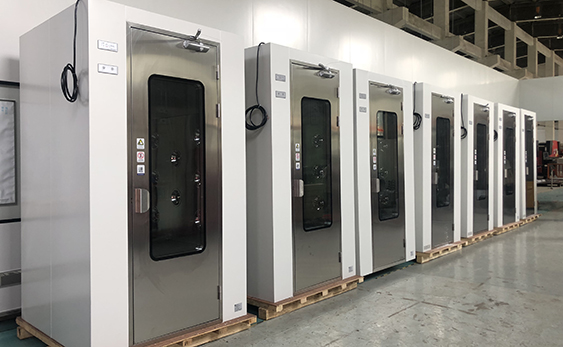
Clean room equipment plays a crucial role in maintaining the quality and of controlled environments. Among the various equipment used, air showers, pass boxes, air shower designs, clean room weighing covers, and clean laminar flow hoods are of significant importance. These pieces of equipment ensure the cleanliness and sterility necessary for sensitive operations. Air showers are essential components of clean room entrances. They are designed to remove particulate contamination from personnel entering or exiting the clean room. By directing high-velocity filtered air onto individuals, air showers effectively eliminate dust, debris, and other impurities that may compromise the controlled environment. Pass boxes provide a controlled transfer mechanism for materials between different cleanliness zones within a clean room. They are particularly useful in preventing cross-contamination. With a unique dual-door design, pass boxes minimize air exchange and maintain the integrity of the controlled environment. The design of air showers is of utmost importance in optimizing their functionality. Efficient air shower designs involve careful consideration of airflow patterns, nozzle placements, and air velocity. By ensuring thorough and uniform cleansing of personnel, these designs contribute to improved cleanliness levels within the clean room. Clean room weighing covers are specifically designed to shield weighing equipment from external contaminants. They provide an additional layer of protection to sensitive measurements, preventing any foreign particles from interfering with the accuracy of the weighing process. Clean room weighing covers are designed to fit securely over the weighing apparatus, minimizing the risk of contamination. Clean laminar flow hoods are employed in clean room settings to provide an ultra-clean work environment. These hoods use high-efficiency particulate air (HEPA) filters, ensuring that the air passing through them is free from airborne contaminants. Clean laminar flow hoods create a controlled laminar airflow, which envelops the work area, protecting sensitive materials and processes from contamination. To acquire quality clean room equipment, it is essential to collaborate with reputable clean room doors manufacturers, sealing clean room door providers, and clean room doors suppliers. These industry experts offer a wide range of products that meet stringent cleanliness standards and regulatory requirements. Their expertise and experience ensure the reliability and efficiency of clean room equipment, contributing to the overall success of clean room operations. In summary, clean room equipment such as air showers, pass boxes, air shower designs, clean room weighing covers, and clean laminar flow hoods are critical elements in maintaining the cleanliness and sterility of controlled environments. By implementing these equipment solutions and partnering with reliable manufacturers and suppliers, businesses can ensure the integrit...
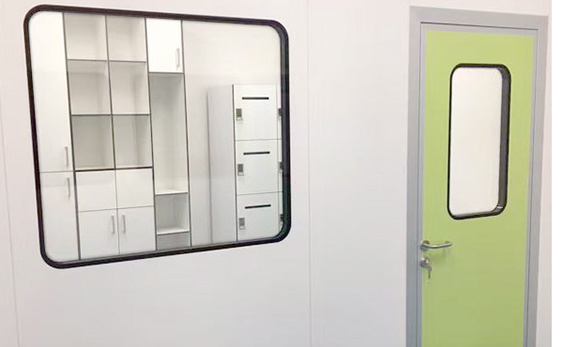
Clean Room HPL Doors: Taking care of the clean details In modern industry and science, clean room doors play a vital role in ensuring work efficiency and quality in highly clean environments. Among the many clean room doors, High-Pressure Laminate (HPL) doors have become the industry leader with their excellent performance and elegant appearance. This article will focus on the characteristics of HPL doors, related manufacturers and suppliers, and highlight their advantages in sealing clean room doors. As a door type designed specifically for clean environments, clean room doors serve several important functions. First, they must be able to effectively isolate the clean room from the external environment to ensure that no harmful substances can enter the clean area. In addition, clean room doors need to meet strict cleanliness standards to prevent microorganisms, dust and particles from entering the work area. In this context, HPL doors for clean rooms stand out, combining practicality with elegance. In order to meet different clean room needs, many professional manufacturers are committed to producing and supplying clean room door products. With the help of advanced technology and materials, these clean room door manufacturers continuously improve the quality and performance of their products to meet the diverse needs of their customers. Their product portfolio includes HPL doors in a variety of sizes, materials and designs, ensuring clean room projects of varying sizes and requirements can be catered for. Sealing clean room doors is a critical factor that cannot be ignored when choosing a clean room door supplier. A good sealing system can effectively block the exchange between the clean room and the external environment, ensuring the stability of cleanliness and air quality. Clean room HPL doors are popular for their excellent sealing properties and fully meet the stringent clean room requirements. This supplier of sealed clean room doors offers reliable and proven solutions to the clean room industry. To summarize, clean room doors are crucial in providing a clean working environment. As one of the most popular and reliable options, clean room HPL doors are the first choice for all types of clean room projects due to their superior performance and elegant appearance. Choose a reliable clean room HPL door manufacturer and supplier to ensure you get high-quality products that meet clean environment requirements and enjoy the huge benefits of a clean working environment.
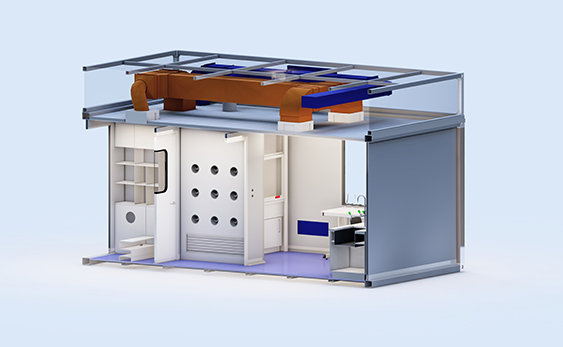
In recent years, with the continuous development of science and technology, more and more laboratories and testing sites require efficient and reliable modular clean room solutions. As a professional modular clean room manufacturer, we are committed to providing our customers with the most advanced technology and quality products. Below are some keywords and what they represent. First of all, we have rich experience and expertise and are a well-known modular clean room manufacturer. Our product range includes modular laboratory buildings, container laboratories, and modular clean rooms designed for testing laboratories. These solutions meet the needs of a variety of different industries and sectors, including pharmaceuticals, biotechnology, electronics manufacturing, and more. Secondly, the modular cleanrooms we offer are of exceptional quality and performance. We use stainless steel to manufacture clean room doors, ensuring they have good corrosion resistance and durability. We also offer sliding doors for efficient use in tight spaces. In addition, our laboratory doors also feature emergency door locks to ensure they can be opened quickly in an emergency. When it comes to design, we focus on customizing the best clean room door solutions for our customers. Our design team will provide the most appropriate door size and installation, taking into account the customer's specific needs and space constraints. We also pay attention to detail to ensure that the clean room doors harmonize with the overall laboratory environment while providing an elegant and modern appearance. Finally, we also offer automatic door solutions to increase laboratory productivity and convenience. Automatic doors can automatically open or close based on signals from sensors or buttons, reducing manual intervention and ensuring the stability of the clean room environment. In summary, as a modular cleanroom manufacturer, we are committed to providing our customers with high-quality, reliable solutions. Our products include modular laboratory buildings, container laboratories, and modular clean rooms designed for testing laboratories. Our clean room doors are manufactured from stainless steel for corrosion resistance and durability. We offer sliding door and emergency door locking capabilities, as well as custom designs and automatic door solutions. We are always committed to meeting the needs of our customers and providing them with the best products and services.

 Room JT30151, Building 4, Area B, No. 925 Yecheng Road, Industrial Zone, Shanghai,China
 Info@wonclean.com
Allen@wonclean.com
Joy@wonclean.com
Info@wonclean.com
Allen@wonclean.com
Joy@wonclean.com
 +86 13671979988(Allen)+86 15950938878(Joy)


 online service

