


How Do 2026 Updated Folding Cleanrooms Accelerate Delivery Timelines?
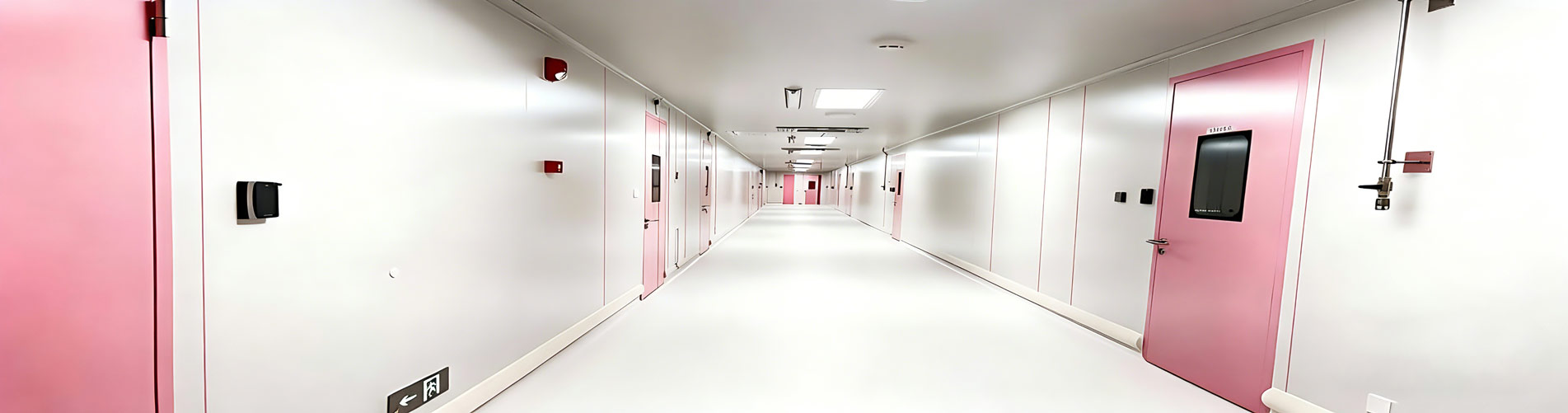
As the biotechnology and semiconductor industries evolve in 2026, finding a reliable cleanroom supplier is critical to avoiding extensive construction delays. The modern engineering landscape has shifted towards prefabricated solutions. Integrating a Folding Laboratory directly into your facility circumvents traditional on-site welding and contamination risks. Compared to standard construction, a certified Modular Clean Room utilizes pre-assembled hinged walls and ceiling tracks to compress installation timelines drastically. If your project demands strict GMP compliance with zero margin for error, consulting an experienced cleanroom manufacturer is the first step toward achieving an operational facility in just weeks rather than months.
What Are the Core GMP 2026 Specifications for a Folding Laboratory?
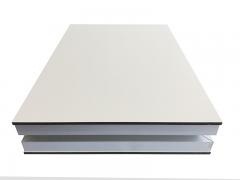
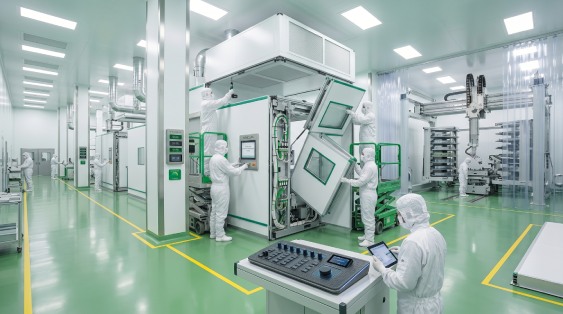
Understanding the exact technical requirements of the 2026 Good Manufacturing Practice (GMP) updates is essential. The new guidelines prioritize Factory Acceptance Testing (FAT) over site-based troubleshooting. By executing 85 percent of the structural fabrication within a controlled factory environment, the primary sources of particle contamination—such as field-cut insulation panels and manual silicone sealing—are completely eliminated.
These updated systems rely on foldable frame mechanics. Once the units arrive at the destination, technicians simply unfold the modules. This process inherently ensures that the pre-calibrated pressure differentials, maintained between 0 and 60 Pascals, remain intact. Furthermore, removing weather delays and unskilled labor variables guarantees that the final environment passes validation monitors immediately upon power-up.
Which Structural Parameters Ensure Optimal Performance?
Engineers globally frequently ask about the load-bearing capacities and validation speeds of these modern units compared to traditional drywall or stick-built cleanrooms. The data clearly shows a paradigm shift in structural integrity and delivery efficiency.
| Engineering Metric | Traditional Cleanroom Construction | 2026 Folding Cleanroom Standard |
|---|---|---|
| On-Site Installation Time | 14 to 30 Days | 1 to 3 Days |
| FAT Air Pressure Retention | Varies based on manual site sealing | 100 percent Guaranteed (0-60 Pa) |
| Walkable Ceiling Load Capacity | Less than 100 kg/m² | Exceeds 150 kg/m² |
| Shipping Efficiency | Requires multiple wide-load shipments | 60 percent increase in container capacity |
Why Should You Choose a Modular Clean Room for Rapid Global Deployment?
The logistics of establishing a sterile environment in regions like North America, Southeast Asia, or Europe used to involve complex supply chain coordination. The foldable architectural design completely disrupts this limitation. Because the primary framework collapses into standardized shipping container dimensions, sea freight costs drop significantly. Customers can reallocate these saved logistics budgets directly into higher-grade HEPA filtration units or advanced anti-static wall finishes.
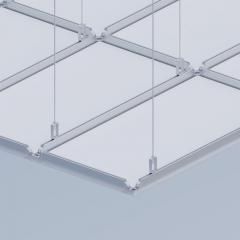
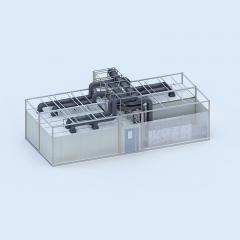
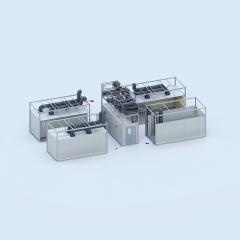
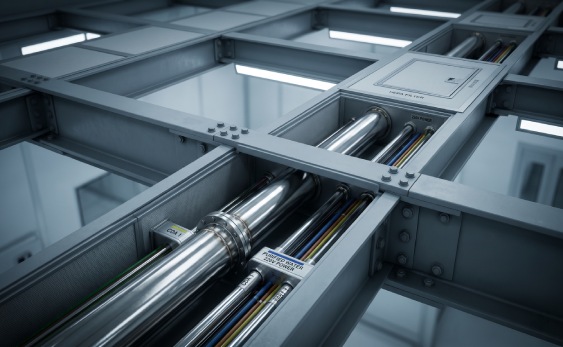
Additionally, the pre-aligned interlocking tracks on these modular systems eliminate the sagging issues historically associated with drop ceilings. Utility pathways are pre-modeled in 3D, allowing HVAC ducts, process gas pipes, and electrical cables to penetrate the envelope without compromising the airtight seals.


 online service

