




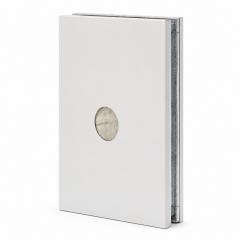
Strategic Engineering Guide: Choosing Between HPL Doors vs Steel Doors in 2026 Controlled Environments
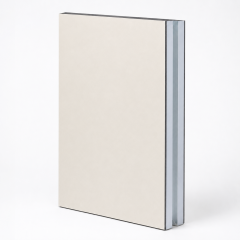
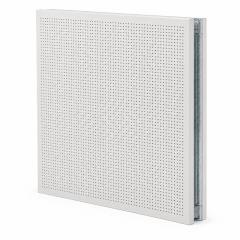
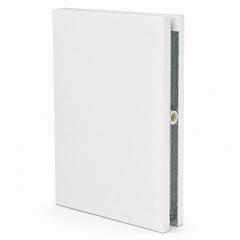
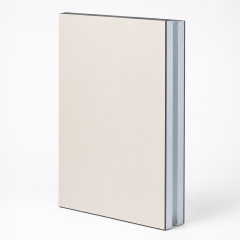
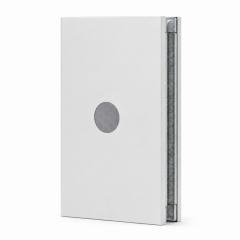
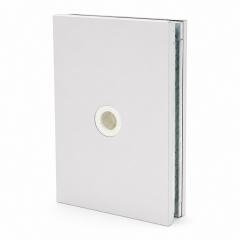
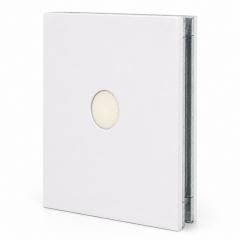
In 2026, the global life sciences sector demands unprecedented levels of contamination control, prompting a highly critical technical evaluation of structural barriers: cleanroom doors. As an industry-leading cleanroom manufacturer, WONCLEAN develops specialized modular components designed to integrate flawlessly with advanced cleanroom partition systems. The updated 2026 Annex 1 mandates and rigorous ISO 14644-1 revisions require facility architects to carefully weigh the distinct structural benefits of a premium cleanroom hpl door against a heavy-duty cleanroom steel door to prevent localized differential pressure failures and microbial retention.
Why Do 2026 ISO and GMP Revisions Dictate Your Selection of HPL Doors vs Steel Doors?
The updated 2026 compliance landscape focuses heavily on the elimination of micro-refuges for biological matter and the endurance of structural materials against aggressive sanitization. Modern biological safety laboratories (BSL-3/BSL-4) and advanced sterile filling lines rely on automated, high-concentration Vaporized Hydrogen Peroxide (VHP) and continuous chlorine dioxide gaseous decontamination cycles. Traditional multi-piece frame designs are obsolete in 2026; both material variants must be engineered with co-planar, zero-clearance, completely flush geometries.
The choice between these two structural skins determines the long-term integrity of your airtight seal, structural deflection rates under negative pressure, and resistance to chemical micro-fissuring over multi-year validation periods.
What Technical Specifications Define the Structural Integrity of HPL Doors vs Steel Doors?
Extracted from WONCLEAN’s 2026 global pharmaceutical project matrix and technical submittals, this definitive parametric comparison details the structural engineering variations required to achieve full cleanroom certification under the latest regulatory mandates.
| Technical Evaluation Parameter | HPL Doors Specification Matrix | Steel Doors Specification Matrix |
|---|---|---|
| Core Chemical Composition | Thermosetting phenolic resins with kraft layers fused at 150°C and 10 MPa | Hot-dip galvanized steel sheet cladding over aluminum honeycomb core |
| VHP Sterilization Resilience (2026) | High surface tolerance; requires proprietary polymer resin edge sealing | Maximum resistance; unaffected by repeating concentrated gaseous cycles |
| Mechanical Impact Resistance | High elasticity index; resists deep surface scratches and blunt deflections | Maximum rigidity; susceptible to minor point dents but maintains integrity |
| Acoustic Attenuation Rating | Solid core configuration provides standard sound isolation up to 34 dB | Rockwool or specialized internal filling provides superior dampening up to 45 dB |
| Microbial Colonization Index | Zero-porosity decorative surface layer eliminates organic cellular adhesion | Antistatic, ultra-smooth powder-coated surface prevents dust accumulation |
| Fire Safety Rating Standards | Class B-s1, d0 classification under European EN 13501-1 protocols | Class A Fire Rating; optimal structural barrier for thermal containment zones |
| Optimal 2026 Application Zones | Medical diagnostic labs, research facilities, and personnel airlocks | BSL-3/4 biocontainment, material airlocks, and heavy logistics zones |
Which Cleanroom Architectural Scenarios Benefit Most From HPL Doors vs Steel Doors?
How Material Elasticity Prevents Dynamic Sealing Failures
In dynamic cleanroom hubs experiencing constant personnel movement, HPL doors offer a distinct physical advantage due to their exceptional material elasticity. The high-density composite structure absorbs repetitive kinetic impacts from transport carts without suffering the permanent localized pocket deforming that can plague standard steel sheets. This structural memory guarantees that the door leaf remains entirely flat over time, preserving the critical multi-point drop gasket sealing alignment required by 2026 energy-efficiency standards.
Why Biocontainment Facilities Rely on Rigid Steel Construction
Conversely, when high differential pressure regimes (+30 Pa to +45 Pa) are actively maintained to isolate hazardous viral or potent pharmaceutical powders, steel doors remain the absolute engineering standard. The reinforced internal tubular steel matrix prevents micro-warping across the face of the door leaf under continuous mechanical air load. Furthermore, steel assemblies accommodate heavy-duty electromagnetic interlocking hardware and inflatable compression seals seamlessly, maximizing biological containment integrity.


 online service

