



How to Choose Clean Room Door and Windows in 2026: The ISO & GMP Industry Standard
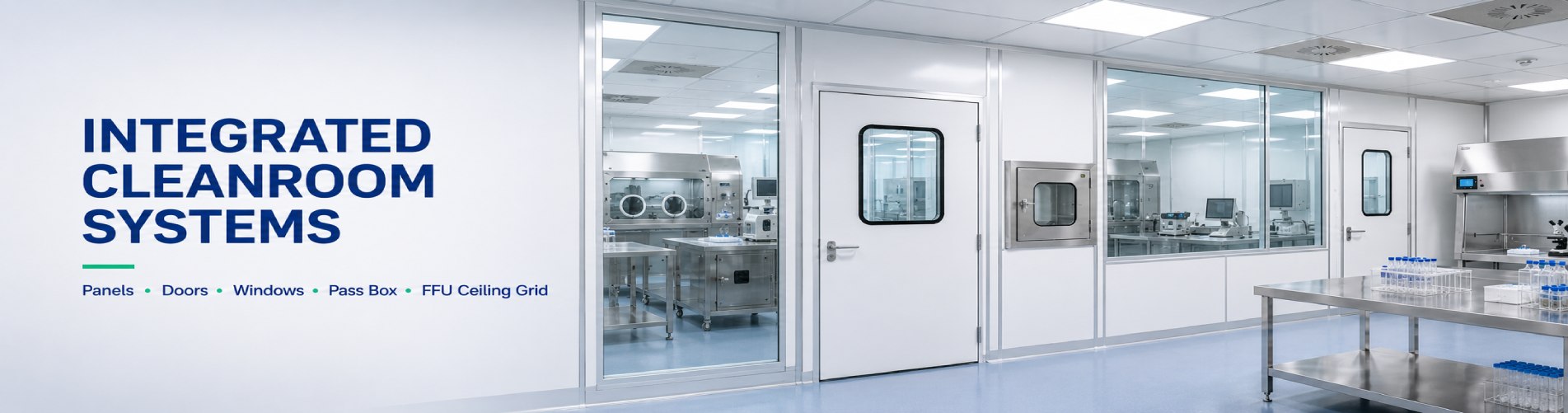
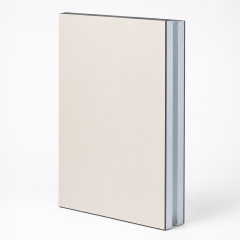
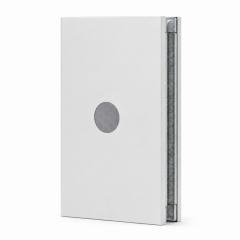
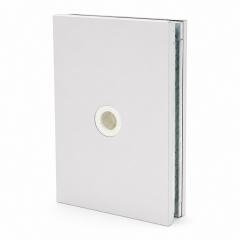
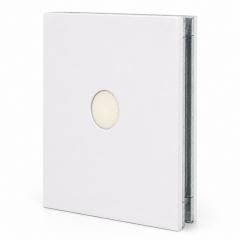
How to achieve zero-contamination in modern high-traffic sterile zones? The 2026 modular facility design prioritizes the integration of a premium cleanroom stainless steel door and airtight cleanroom door systems. To maintain Grade A visibility and pressure stability, engineering teams must select specialized cleanroom windows, particularly the flush-mounted cleanroom double glass window, which offers superior acoustic insulation and condensation resistance during VHP sterilization cycles.
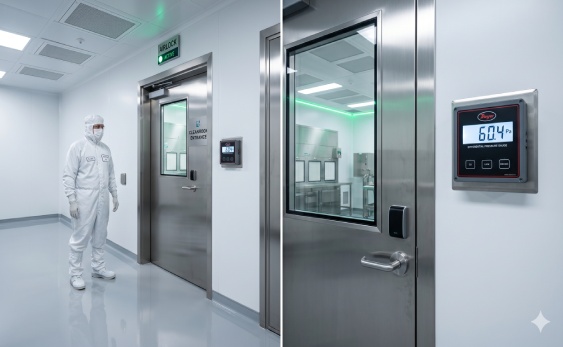
How to Evaluate Cleanroom Door Sealing Performance Under ISO 14644-1?
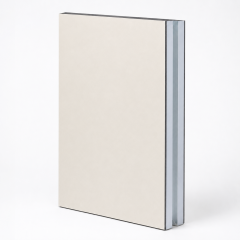
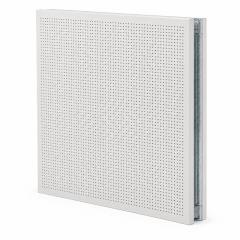
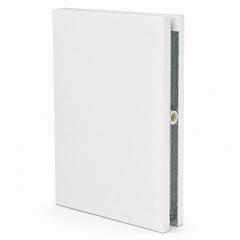
In 2026, air leakage management has transitioned from manual inspection to real-time differential pressure monitoring. A high-performance cleanroom door must feature active compression gaskets that withstand 50Pa+ pressure differentials without micro-vibrations. Modern pharmaceutical environments demand SUS304 or SUS316L grades to resist aggressive phenolic disinfectants. Unlike traditional doors, the 2026 industry standard requires a honeycomb aluminum core for ultra-planarity and fire resistance (Class A1).
| Feature Category | 2026 Industry Standard | Impact on GMP Compliance |
|---|---|---|
| Air Tightness | Class 4 (EN 12207) | Prevents cross-contamination between zones |
| Window Design | Flush Double Glazing | Eliminates dust accumulation on ledges |
| Core Material | Aluminum Honeycomb | Structural stability and VHP resistance |
| Auto-Closing | Smart Brushless Drive | Reduces turbulence in laminar flow areas |
How to Maximize Visibility with Cleanroom Double Glass Window Technology?
Visibility is no longer just for supervision; it is for safety. The modern cleanroom double glass window utilizes tempered safety glass with an integrated molecular sieve to prevent internal fogging. The flush-mount design ensures that both sides of the wall remain a single, unbroken plane, facilitating rapid "wipe-down" cleaning protocols. In 2026, the industry has shifted towards "Active Pressure Seals" to maintain integrity under fluctuating HVAC loads.


 online service

