What are you looking for?






Technical Analysis | Portable and Container Cleanrooms
Biopharma companies sometimes need controlled cleanroom capacity before a permanent facility can be expanded. A portable clean room or container laboratory can help, but rapid deployment must be treated as an engineering strategy, not as a shortcut.
portable clean room container laboratory modular laboratory
| Fast setupPrefabricated envelope and interfaces. | ISO classParticle classification still required. | HVACAirflow, filtration and pressure control. | Site proofFinal testing after installation. |
A rapid-deployment cleanroom still needs the same fundamentals as any serious biopharma cleanroom: defined ISO classification, cleanable surfaces, controlled airflow, pressure cascade, filtration, temperature and humidity control, utility planning, personnel and material flow, and documented verification after installation.
Core Principle
Portable does not mean informal. A portable clean room may be assembled faster than a conventional cleanroom, and a container laboratory may arrive with much of the envelope already built. The room must still match the risk of the process it supports.
Common applications include QC testing, microbiology support, sampling, small-batch preparation, clean storage, gowning overflow, regional laboratory deployment and temporary capacity during facility upgrades.
Format Selection
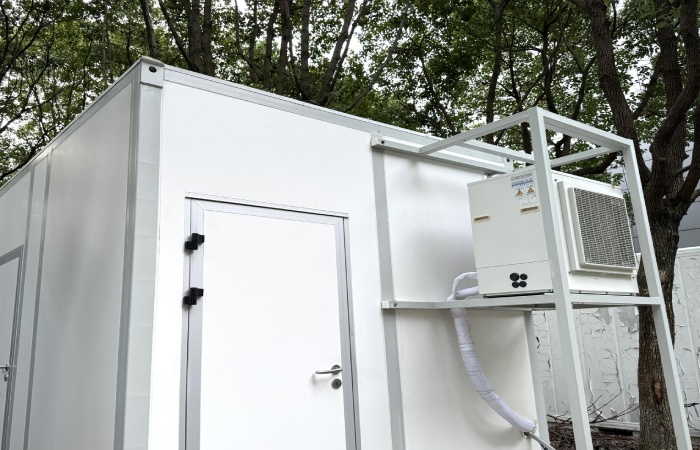
The terms often overlap, but the engineering choices are different. A portable clean room is usually used inside or near an existing facility. A container laboratory is a more independent module built inside a transportable shell, often with integrated cleanroom lining, HVAC interfaces and service zones.
The right choice depends on independence, available utilities, relocation plans, process risk, room size and schedule. The better option is the one that can be installed, connected, cleaned, tested and documented with the least uncertainty.
| Format | Best fit | Main design focus |
|---|---|---|
| Portable clean room | Temporary classified space, internal facility expansion, renovation support. | Fast assembly, cleanable envelope, host-building interface and local HVAC control. |
| Container laboratory | Independent laboratory capacity, regional testing, outdoor or semi-independent deployment. | Transportable shell, insulated cleanroom lining, HVAC platform, utilities and logistics protection. |
| Transportable suite | Repeat deployment, multi-module workflows, scalable cleanroom layouts. | Module-to-module sealing, standardized interfaces and repeatable qualification logic. |
System Design
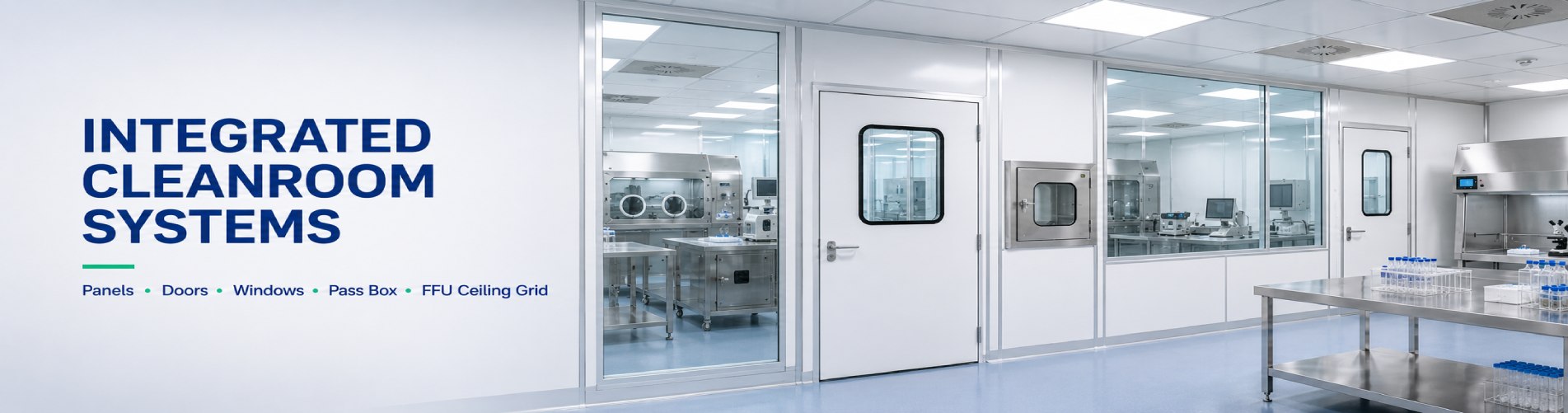
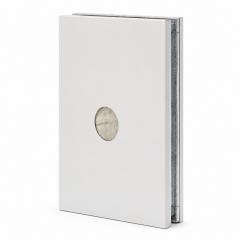
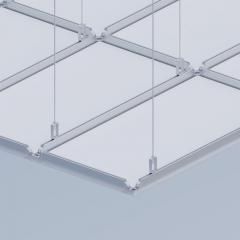
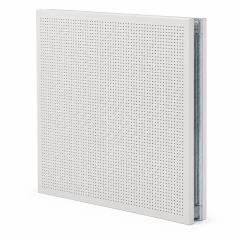
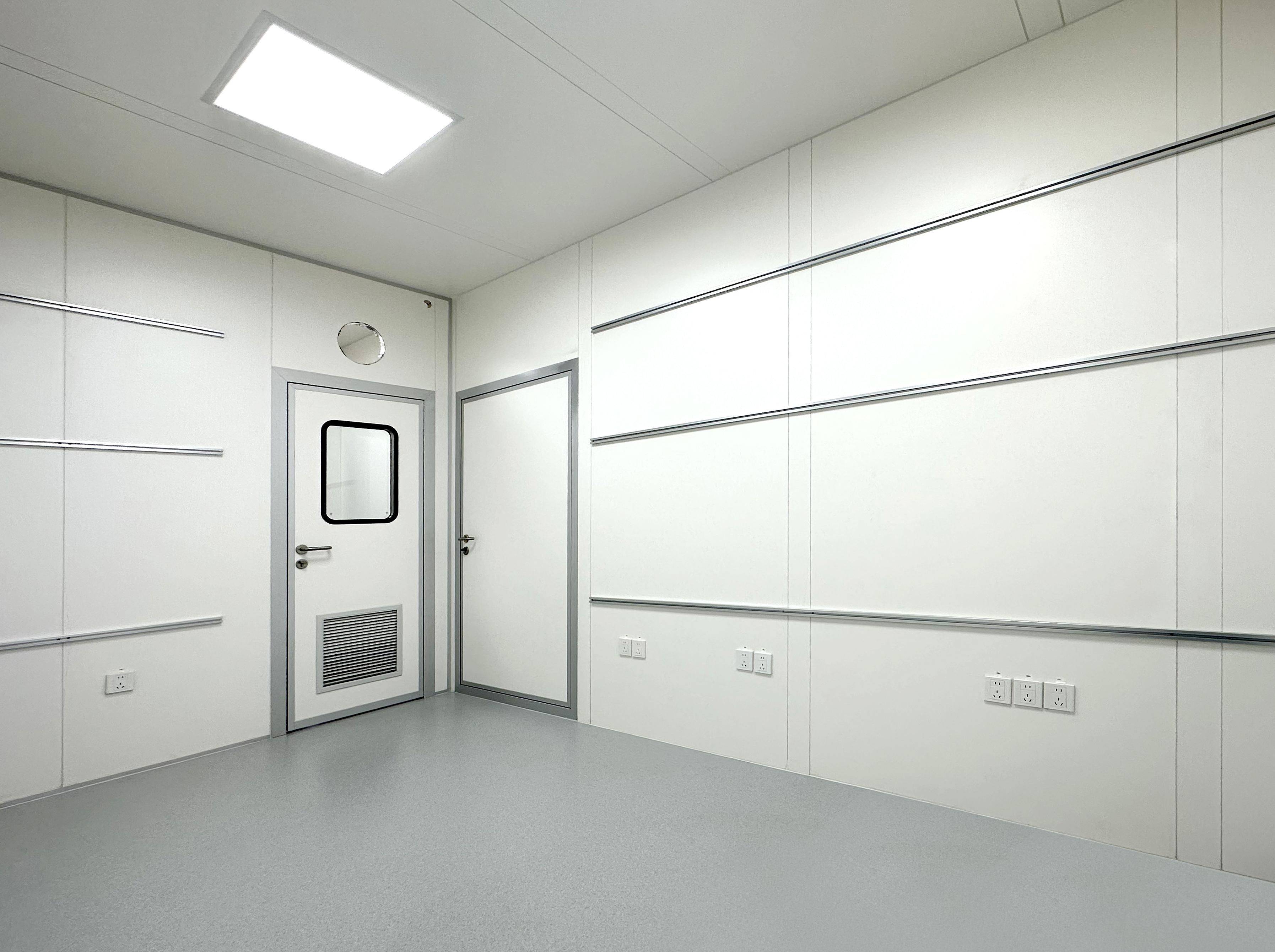
The cleanroom envelope includes wall panels, ceiling panels, flooring, doors, windows, pass boxes and service penetrations. These components create the physical boundary of the controlled environment and should support cleanable surfaces, sealed joints and proper access.
The air system makes the envelope perform. It includes filtration, supply airflow, return air, exhaust, pressure control, temperature and humidity control and recovery behavior after door openings or activities.
If the module is easy to ship but the airflow strategy is weak, the project will not deliver a reliable biopharma cleanroom.
HVAC Planning
A portable support room may use a compact dedicated HVAC system or connect to a qualified host-building system. A container laboratory may need its own outdoor air path, heat rejection, dehumidification, exhaust and pressure control in a limited mechanical space.
Site Interfaces
Many rapid-deployment problems appear at interfaces. The cleanroom may be well built, but the project can slow down if power, drainage, chilled water, HVAC condensers, compressed air, data, exhaust routing or module-to-module seals are not ready.
FAT and SAT
Factory acceptance testing can identify many issues before shipment, but it does not replace site verification. The installed room still needs airflow testing, pressure checks, temperature and humidity verification, recovery testing and ISO classification testing as required by the approved protocol.
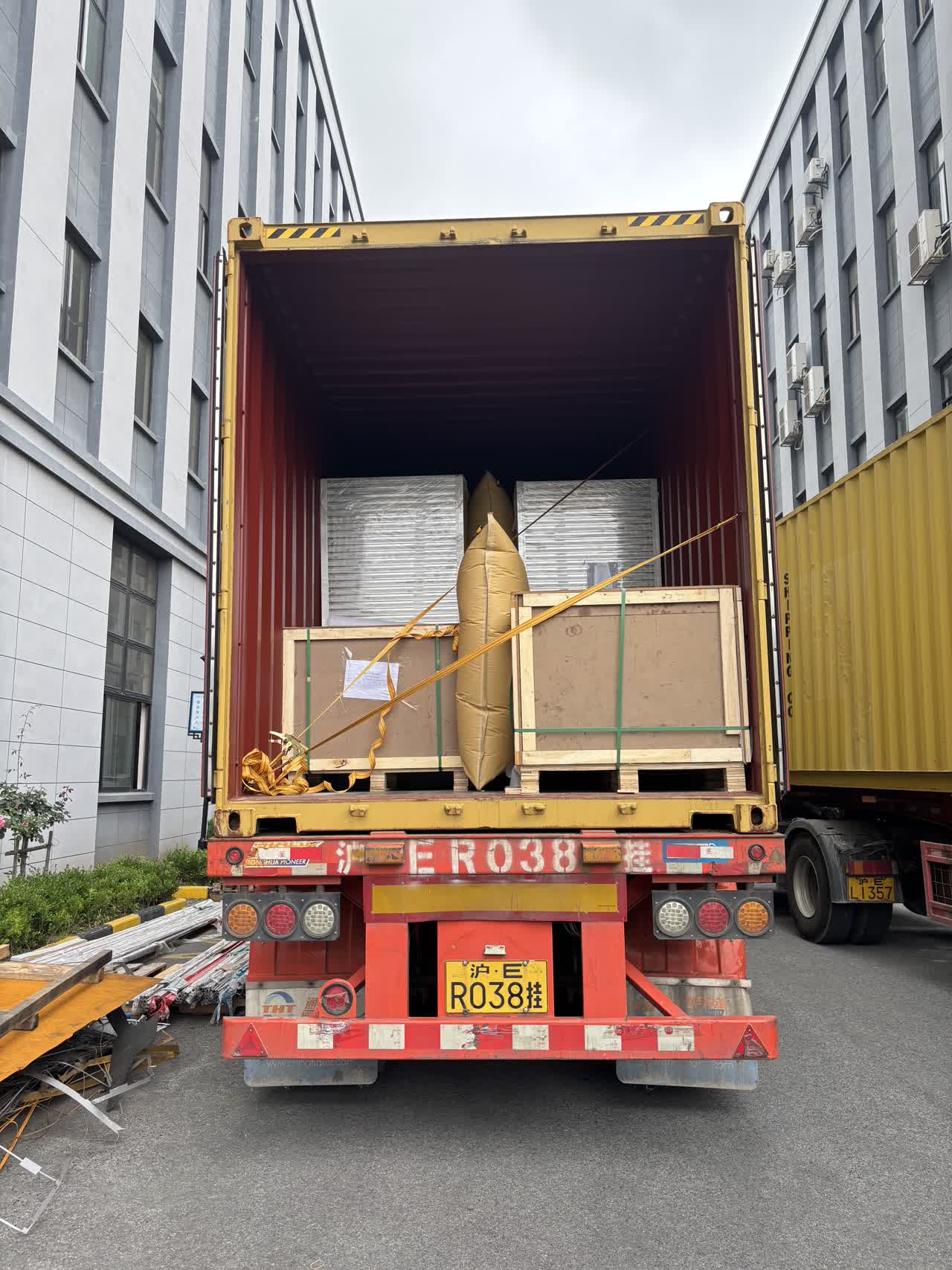
Wonclean supports rapid-deployment cleanroom projects with modular cleanroom envelopes, container laboratory configurations, wall panels, ceiling systems, doors, pass boxes and air showers.
It is a controlled cleanroom solution designed for faster installation through prefabrication and planned interfaces. It may be built as a portable clean room, modular cleanroom or container laboratory.
Yes, when it is designed for the intended process, ISO class, HVAC control, utilities, personnel flow and documentation requirements. Final site verification is still required.
No. It can make qualification easier to organize, but the installed cleanroom still needs appropriate testing and documentation before use.
Rapid-deployment cleanrooms can give biopharma teams valuable flexibility, especially when capacity is needed faster than a permanent building project can deliver. The safest approach is to treat speed as the result of better prefabrication, clearer interfaces and stronger planning.

 Room JT30151, Building 4, Area B, No. 925 Yecheng Road, Industrial Zone, Shanghai,China
 Info@wonclean.com
Allen@wonclean.com
Joy@wonclean.com
Info@wonclean.com
Allen@wonclean.com
Joy@wonclean.com
 +86 13671979988(Allen)+86 15950938878(Joy)


 online service

