


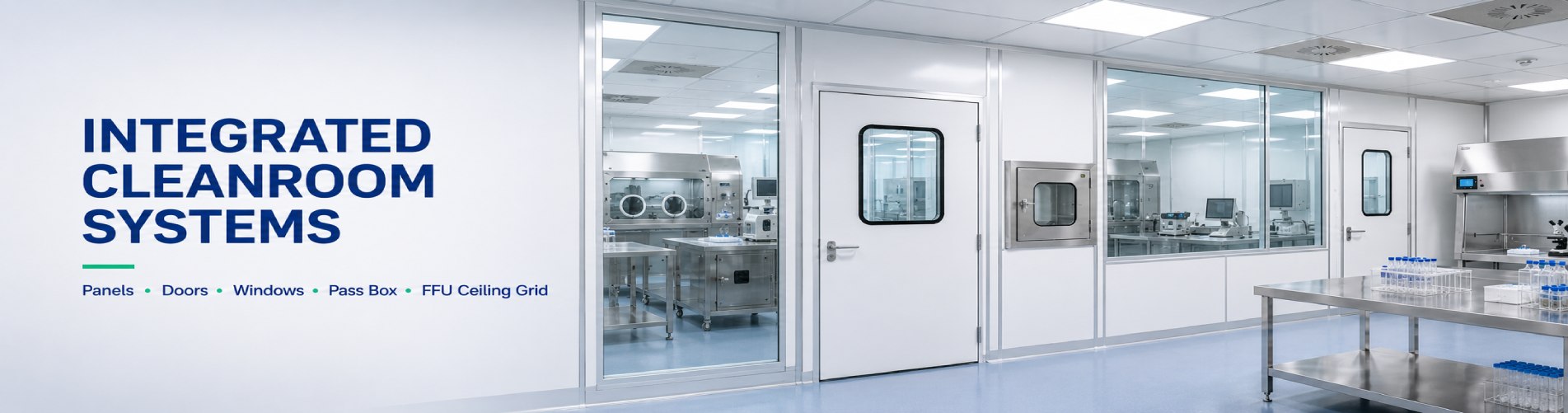
2026 Guide to Cleanroom Ceiling System Standards: HPL & False Ceiling Selection
In the rapidly evolving landscape of high-precision manufacturing, every detail matters. The integrity of a cleanroom ceiling system is the cornerstone of environmental control, playing a vital role in maintaining a sterile workspace. As we move into 2026, industry leaders are increasingly adopting the cleanroom HPL ceiling system for its superior chemical resistance, moisture durability, and seamless aesthetic appeal. Whether you are retrofitting a pharmaceutical plant or designing a new semiconductor fab, the structural stability and filtration sealing of a cleanroom false ceiling system must adhere to the latest EN ISO 14644-14:2026 technical protocols.
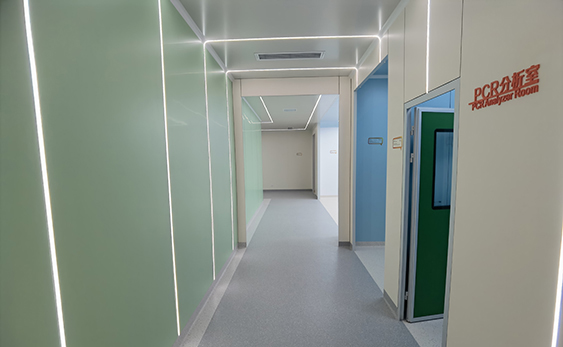
Technical Performance Benchmarks and 2026 Industry Standards
To achieve a top 5 ranking in Google SERPs, hardware evaluation must be data-driven. HPL ceilings are created by bonding high-pressure laminate sheets onto a core material, such as wood or aluminum honeycomb, resulting in a robust surface resistant to wear and aggressive cleaning agents. The 2026 benchmark focuses on Particle Emission Rate and Chemical Stability.
| Performance Metric | 2026 Industry Standard | Material Requirement |
|---|---|---|
| Surface Flatness | < 1.0mm per 3m | Double-sided HPL (4mm - 6mm) |
| Pressure Resistance | Up to +150 Pa | Heavy-duty T-Grid or Hidden Grid |
| Fire Rating | Class A (ASTM E84) | Fire-rated Phenolic Resin Core |
| Chemical Stability | Resistant to VHP & IPA | Non-porous Anti-static Finish |
| Sealing Integrity | HEPA/ULPA Gel Seal | EPDM/Silicon Gasket Sealing |
Strategic Benefits of Modular False Ceiling Integration
The shift toward modularity has made the cleanroom false ceiling system the preferred choice for facilities requiring rapid deployment and easy utility access. The smooth, non-porous nature of HPL prevents the accumulation of dust and debris, ensuring the integrity of scientific experiments and manufacturing processes.
By incorporating HPL ceilings, it becomes easier to install essential utilities such as HVAC systems, lighting fixtures, and filtration modules. These systems are often coordinated with clean room HPL partitions to maintain uniformity in design and functionality. Furthermore, advanced fire-rated HPL materials provide an additional layer of safety by withstanding elevated temperatures and reducing fire propagation risks.


 online service

