


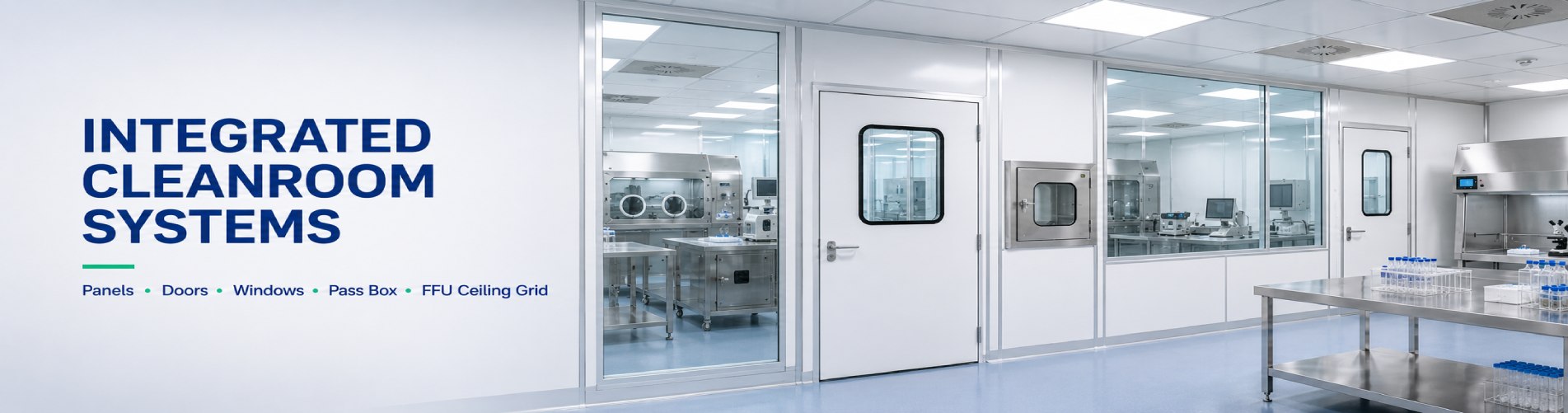
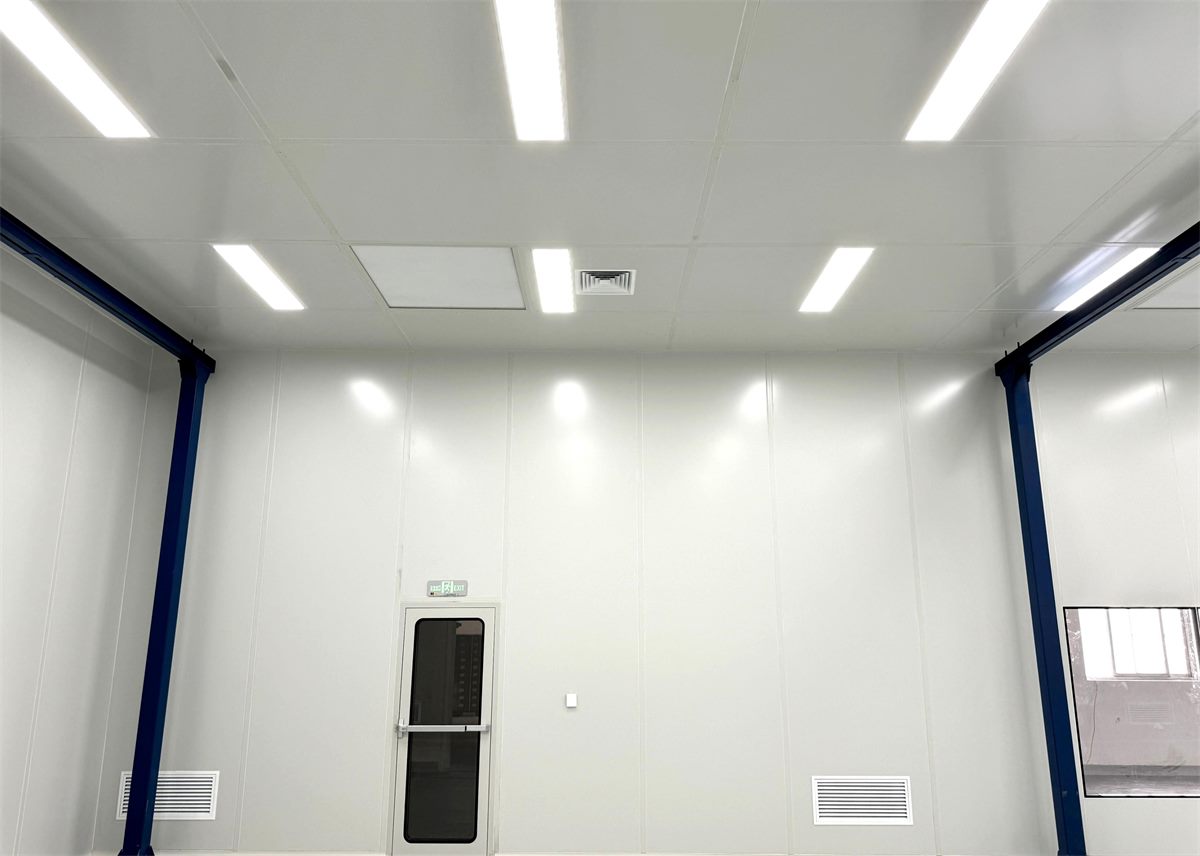
If you are speccing a pharmaceutical cleanroom, the walls are easy to underestimate. They look like simple white panels — but in a GMP environment they get cleaned and disinfected relentlessly, often several times a shift, with chemicals chosen precisely because they are aggressive. Pick the wrong panel and within a year you are looking at yellowed surfaces, peeling coatings and joints that no longer seal. Pick the right one and the walls quietly do their job for the life of the facility.
This guide keeps it practical: what disinfection actually does to a wall, how to choose the surface and the core, a quick comparison of the common options, and the questions to ask before you buy.
Start here
Why pharma is so hard on walls
A general cleanroom keeps things clean. A pharmaceutical cleanroom keeps things sterile or controlled to a validated level — and the way it does that is with constant cleaning and disinfection. The chemicals involved are not gentle:
- Alcohols (IPA, ethanol) for routine wipe-downs;
- Hydrogen peroxide — liquid and increasingly vapour (VHP) for bio-decontamination;
- Sodium hypochlorite (bleach) and other sporicides for periodic deep cleans;
- Quaternary ammonium and phenolic disinfectants in rotation.
Each of these attacks ordinary surfaces over time. Add the EU GMP Annex 1 expectation that surfaces be smooth, impervious, crack-free and easy to clean, and the brief for a pharma wall becomes clear: it has to resist chemicals, take a beating, and leave nowhere for contamination to hide — for years.
The two decisions
Face and core: choose them separately
A cleanroom sandwich panel is two facings bonded to a core. The trick is that these two parts solve two different problems, so you should choose them independently.
The face decides chemical resistance and cleanability
This is the part disinfectant touches, so it matters most for pharma. The common choices:
- Pre-coated / powder-coated steel — the workhorse: durable, cleanable and cost-effective for most rooms.
- HPL (high-pressure laminate) — excellent chemical and impact resistance, a popular upgrade for rooms with heavy disinfection.
- Stainless steel — the premium option where the most aggressive chemicals or wash-down are involved.
The core decides fire, strength and insulation
The core never touches the chemicals, so choose it for structure and fire performance:
| Core | Fire performance | Strength / flatness | Best for |
|---|---|---|---|
| Rock wool | Excellent (non-combustible) | Good | GMP rooms needing fire separation |
| Magnesium oxide (MgO) | Excellent | Very good, moisture-resistant | Rigid, fire-rated partitions |
| Aluminium honeycomb | Good | Excellent (very flat) | Premium, large flat walls & ceilings |
| Polyurethane / PIR | Lower / moderate | Good | Where thermal insulation leads |
So a typical pharma answer might be an HPL-faced panel over a rock-wool core — chemical-resistant surface, fire-safe core. But the right mix depends on your room, which is the point: decide the two layers on their own merits.
Before you buy
5 things to check on any pharma wall panel
Whatever face and core you land on, run every quote past this short checklist:
- 1. Chemical resistance, in writing. Ask for the surface’s resistance to the specific disinfectants you use — especially hydrogen peroxide and bleach. “Easy to clean” is not the same as “resists VHP.”
- 2. Coved, sealed joints. The panels matter less than the junctions. Look for coved wall-to-wall, wall-to-floor and wall-to-ceiling details with no square internal corners for residue to gather.
- 3. A flush, gap-free surface. Doors, windows and pass-throughs should sit flush with the wall, with no ledges or exposed frames that trap contamination.
- 4. Fire rating to match the zone. Confirm the core and assembly meet the fire separation your facility requires — this is where rock wool or MgO earn their place.
- 5. Cleanability that lasts. The finish should keep its smooth, non-shedding surface after repeated disinfection — not just on day one.
Avoid these
Common mistakes buyers make
- Buying on price per square metre alone. A cheaper face that yellows or chalks under disinfection is replaced far sooner — the “saving” disappears.
- Forgetting the joints. Specifying good panels but accepting square corners or silicone-only joints undermines the whole cleaning strategy.
- Mismatched components. Sourcing panels, doors and windows separately leads to interfaces that do not line up or seal — a single-source cleanroom walls system avoids this.
- Ignoring validation. If the surfaces cannot be shown to be cleanable and intact, the room is harder to qualify and re-qualify. For the wider context, see our technical piece on environmental control in GMP cleanrooms.
Choosing well
How to compare suppliers
Once your specification is clear, comparing vendors gets simpler. Strong signals to look for:
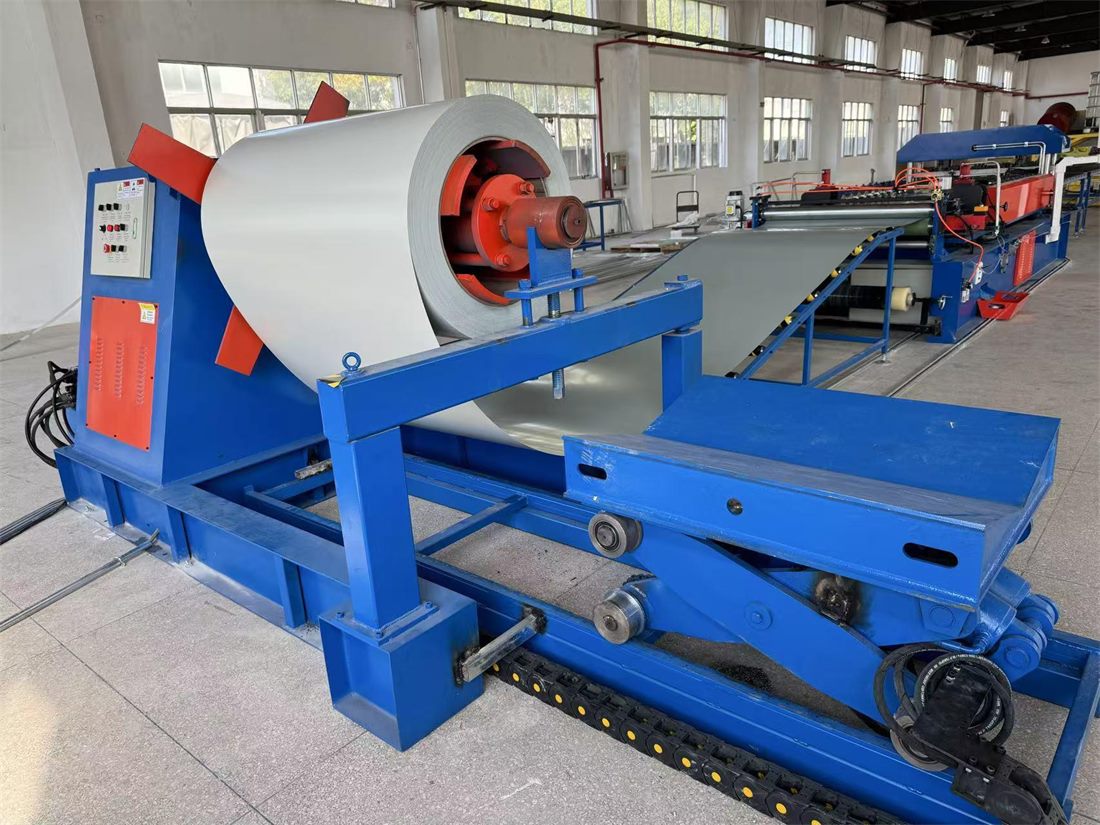
- In-house manufacturing. Makers who control their own panel production tend to deliver more consistent bonding and finishing — and can customise sizes and faces.
- A complete system. Panels, ceilings, doors and windows from one source means matched interfaces and a single point of responsibility.
- Documentation. Chemical-resistance data, fire certificates and finish specifications, not just a brochure photo.
- Track record in pharma. Experience with GMP and animal-barrier facilities, where the cleaning and fire demands are highest.
Key takeaways
- Pharma walls are punished by daily disinfection — chemical resistance is the first requirement.
- Choose the face (HPL, coated steel, stainless) for chemicals and the core (rock wool, MgO…) for fire and strength — separately.
- Coved, sealed, flush joints matter as much as the panels themselves.
- Don’t buy on price alone, don’t mix components from different sources, and get chemical and fire data in writing.
Speccing wall panels for a pharma cleanroom?
Wonclean manufactures cleanroom wall and ceiling panels — HPL, rock wool, MgO and honeycomb cores — with matched doors, windows and coved details, in-house. Tell us your disinfection regime, fire and cleanliness needs and we’ll recommend a panel build.
FAQ


 online service

